Switchgear and Substations for Solar, Storage and Distributed Power, by Market Standard
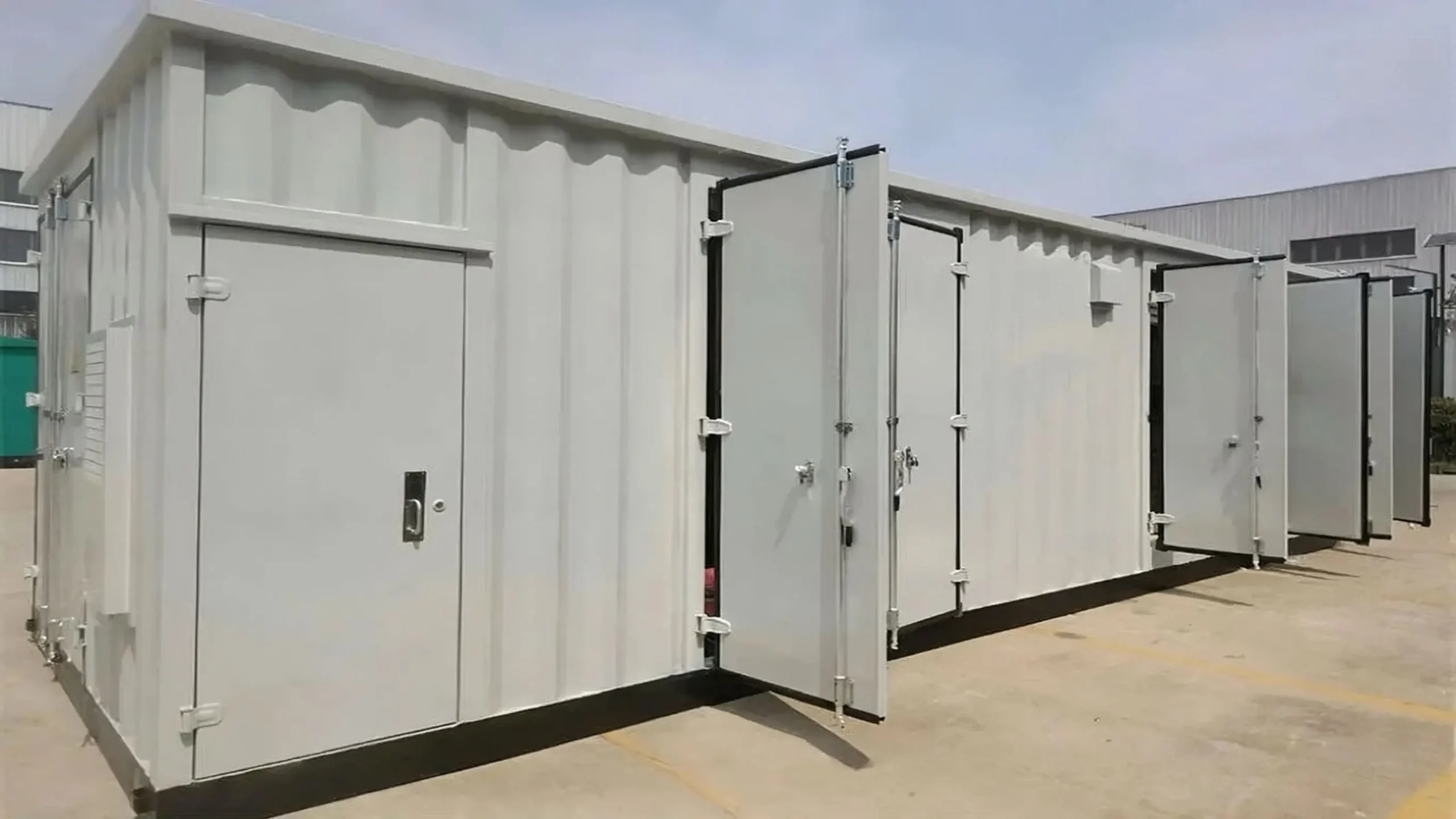
A solar farm, a battery storage yard and a distributed‑power plant have one thing in common: the point where the direct current from the panels or the batteries becomes alternating current and steps up to the grid. That point needs equipment built for a remote site, on a tight schedule, and to the code of the country it lands in. JSGK configures that equipment for export project buyers.
This article covers the product package we assemble for new‑energy sites and, just as importantly, how we talk about standards honestly.
The equipment a new‑energy node actually needs
A new‑energy distribution node is not one cabinet. It is a package that meets at a single factory.
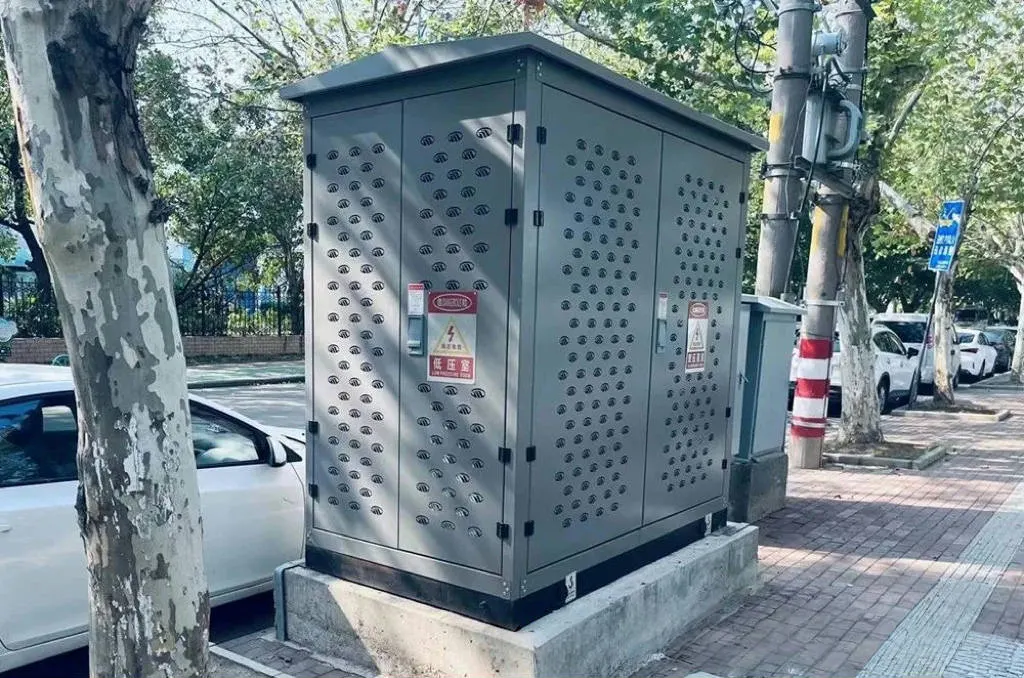
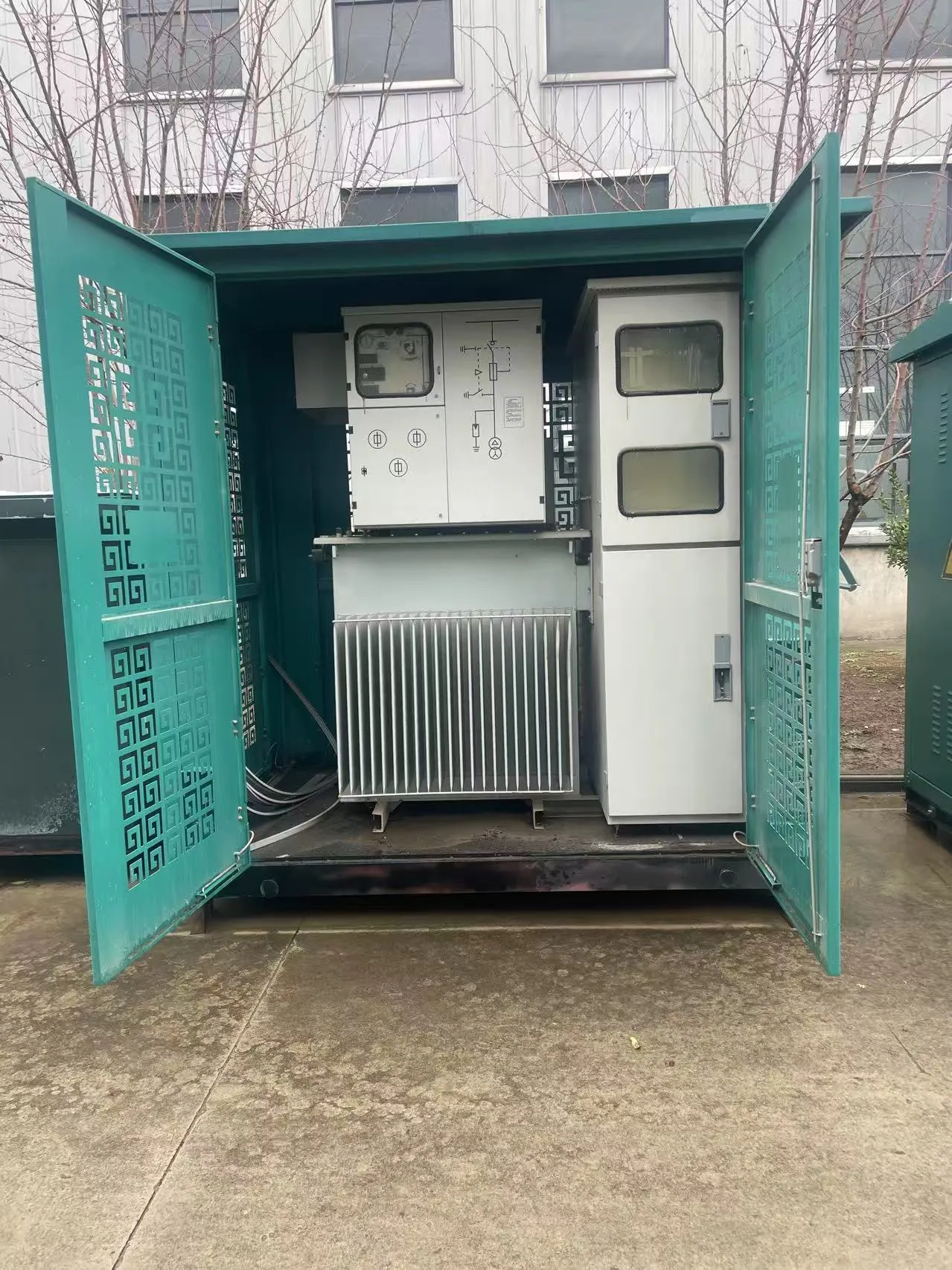
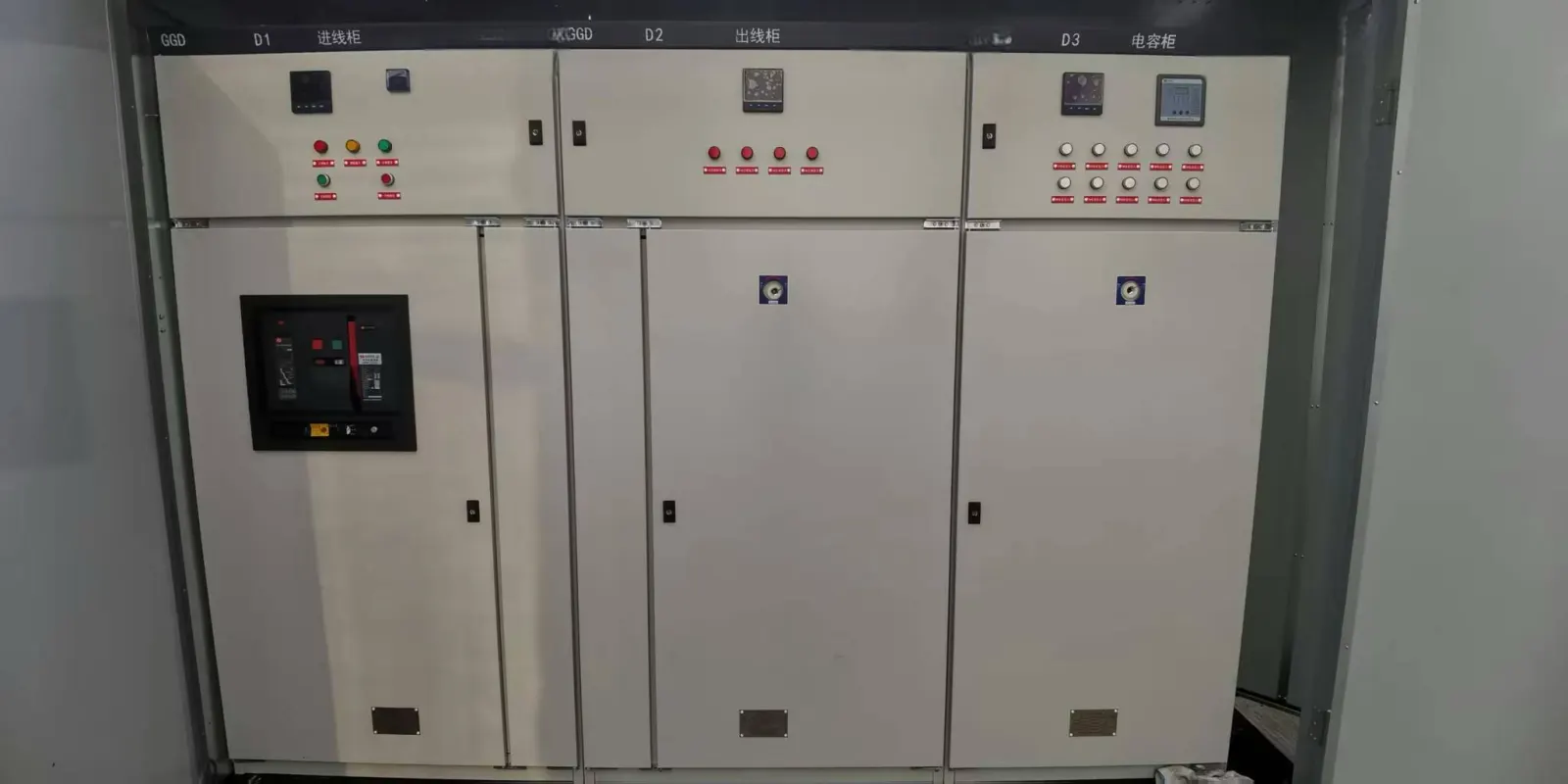
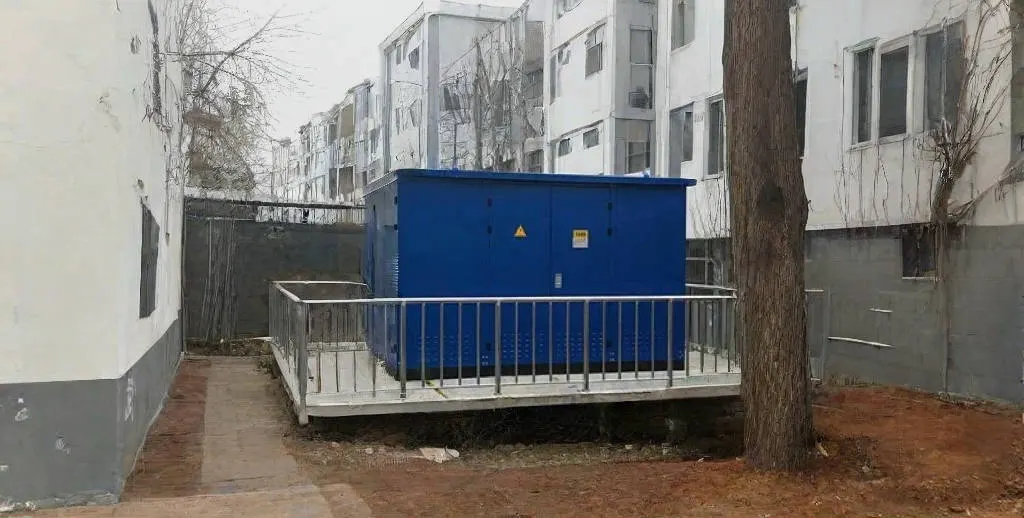
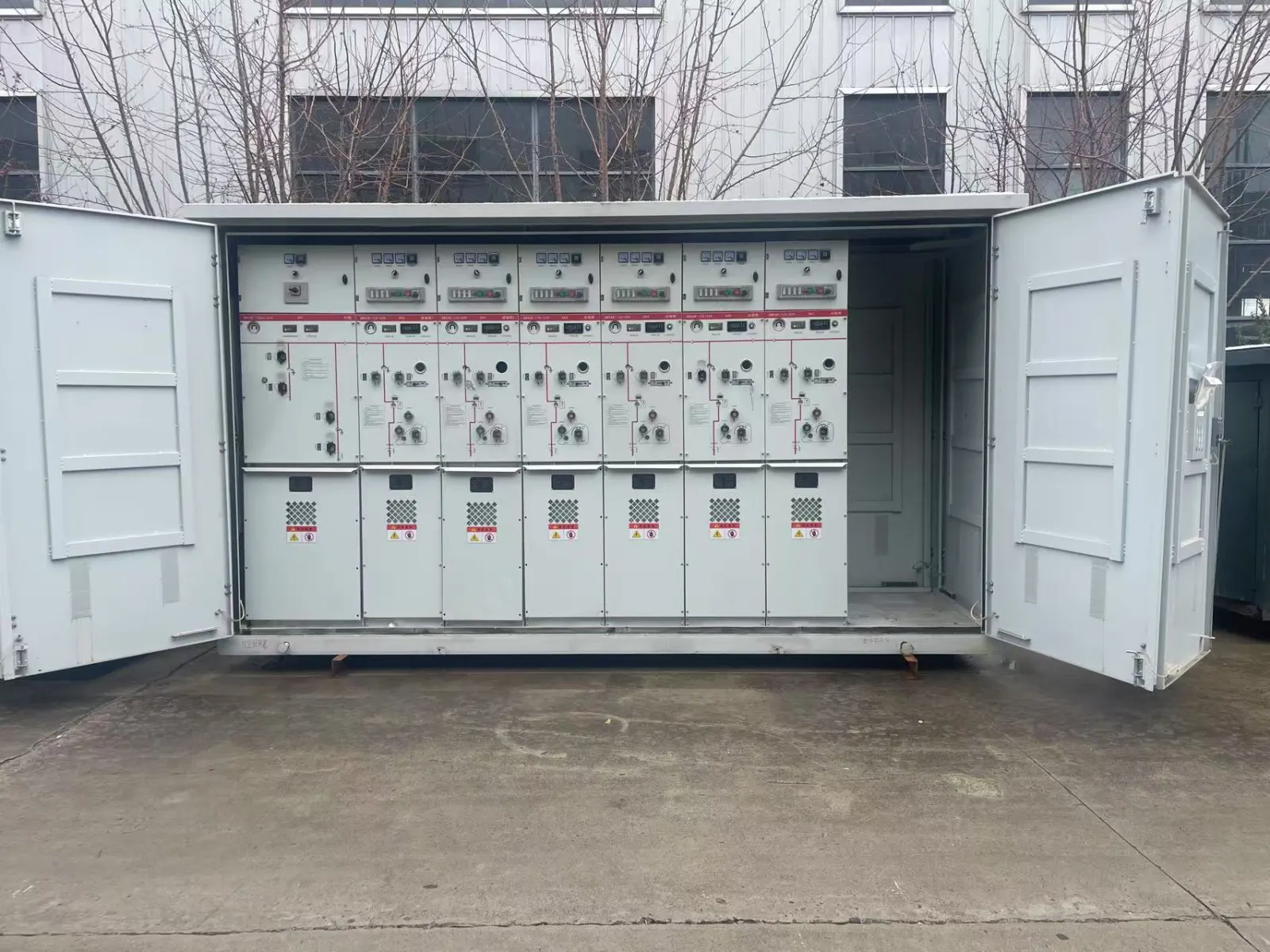
- Box‑type substation. The outdoor integrated unit that steps the voltage up or down for the distribution node, combining transformer, high‑voltage cabinet, low‑voltage cabinet, enclosure and auxiliary systems.
- PV combiner boxes and distribution boxes. The project‑side boxes that collect and combine the circuit strings before they move upstream.
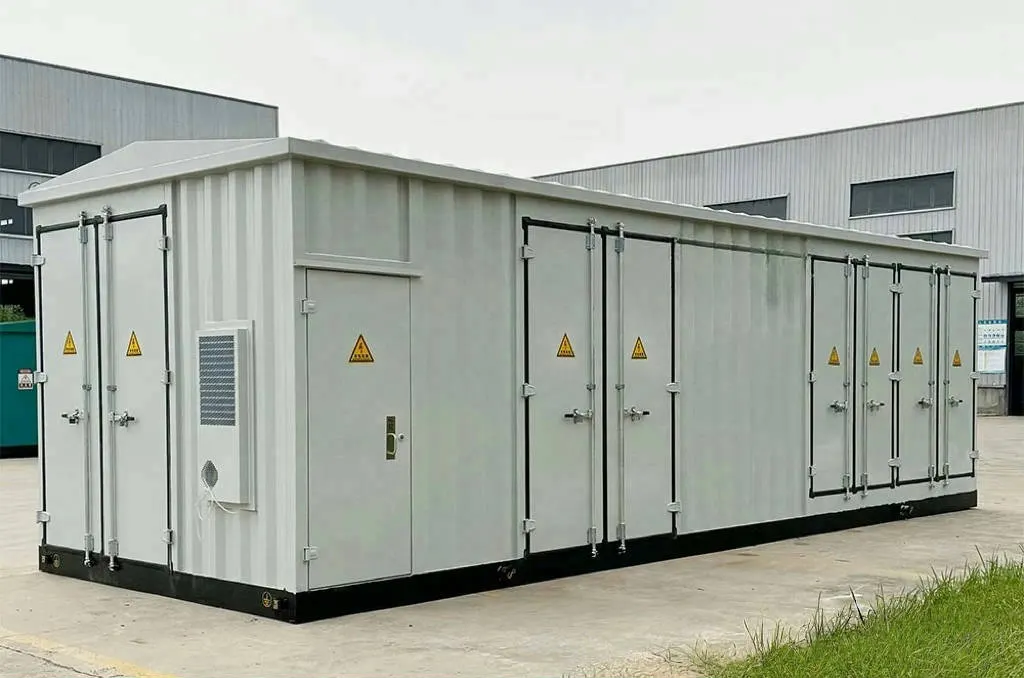
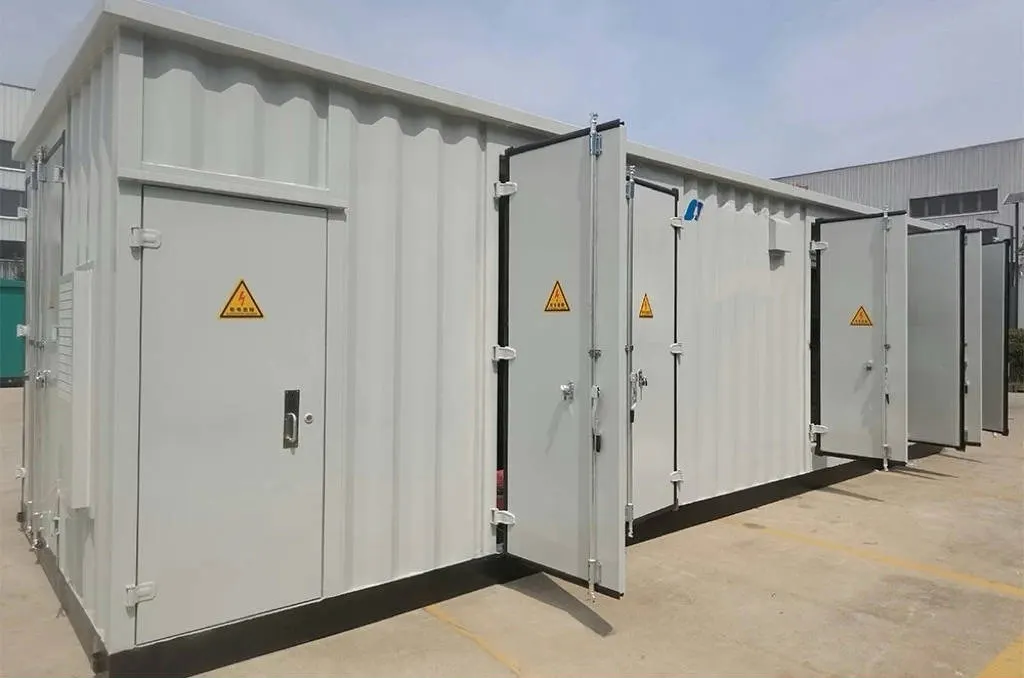
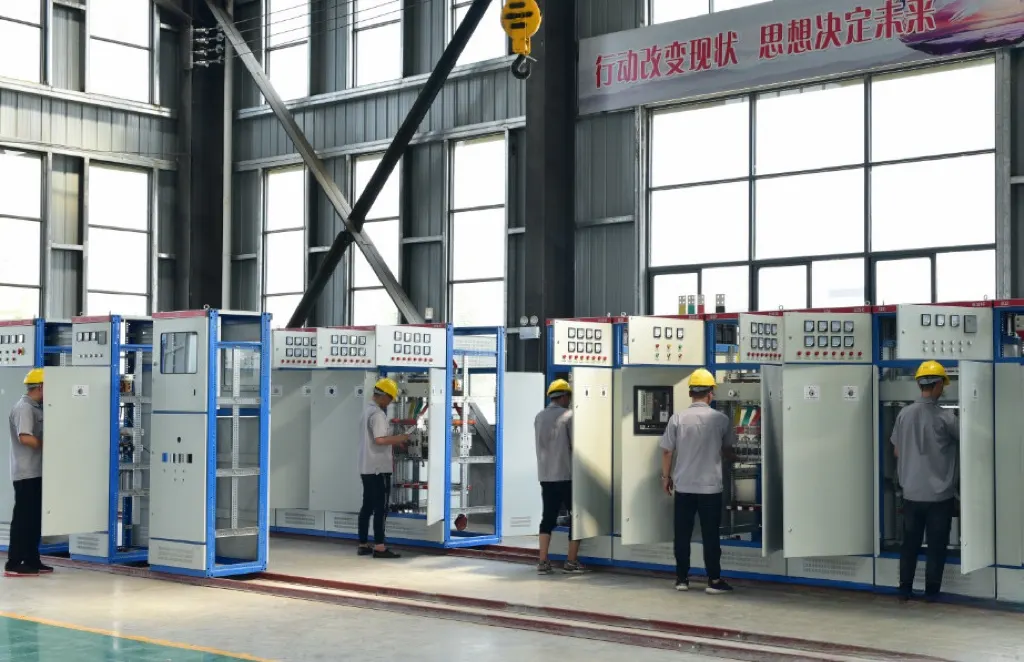
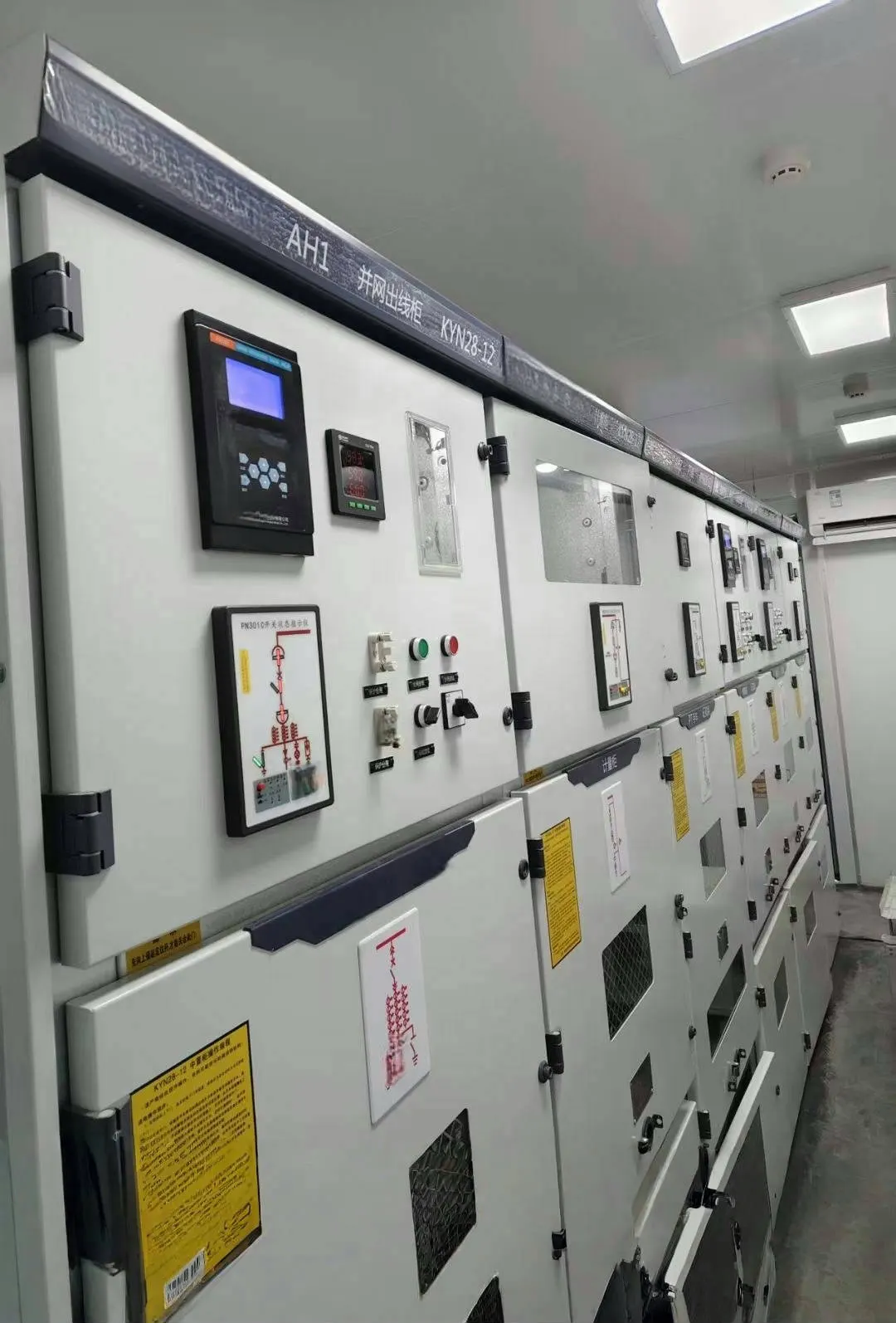
- Prefabricated electrical cabin. The factory‑built room that houses the protection panels, the switchgear and the auxiliary systems when the node is larger than a single box.
- Booster system layout. The arrangement that ties the above together for grid connection, configured from the approved single‑line diagram.
It helps to picture the power path. Strings of panels feed into PV combiner boxes that group the circuits and carry protection. The combined output moves through the box‑type substation, where the voltage steps up for efficient transmission. Where the plant is larger, a prefabricated electrical cabin houses the protection panels, the switchgear and the auxiliary systems, and the booster system ties the node to the point of grid connection. A battery storage yard mirrors the same chain in reverse: the storage converters feed the same kind of cubicles, and the same step‑up node sends power to the grid or back to the site load.
Remote and hard‑to‑reach sites drive the design. The units have to be delivered, installed and documented without excessive site‑side work. They have to handle a project load that ramps up on a predictable schedule, last for years, and then relocate and be reused when the job demobilises. Freight eats the budget on a remote site, so export packing and volume‑efficient loading are part of the product, not an afterthought.
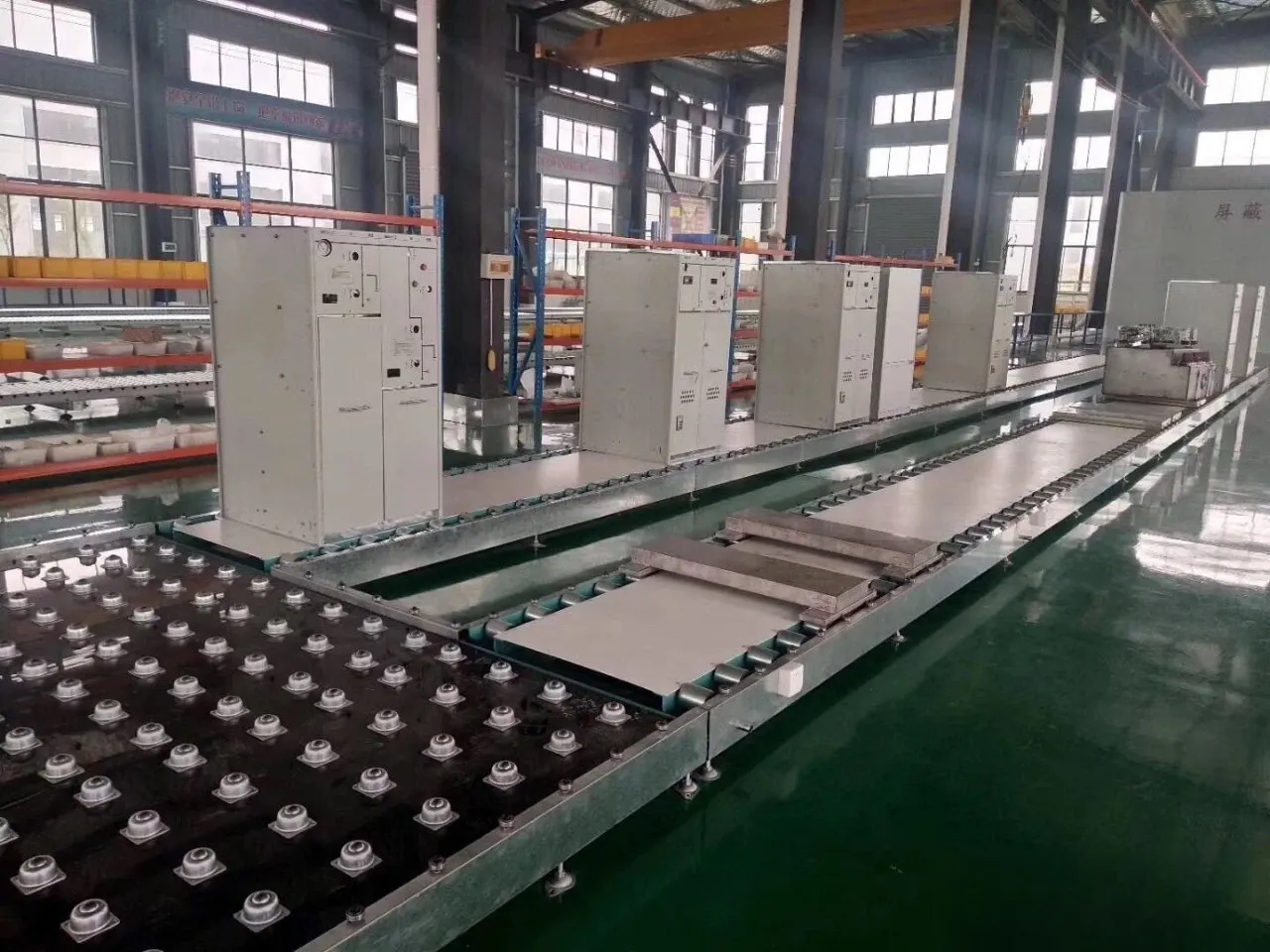
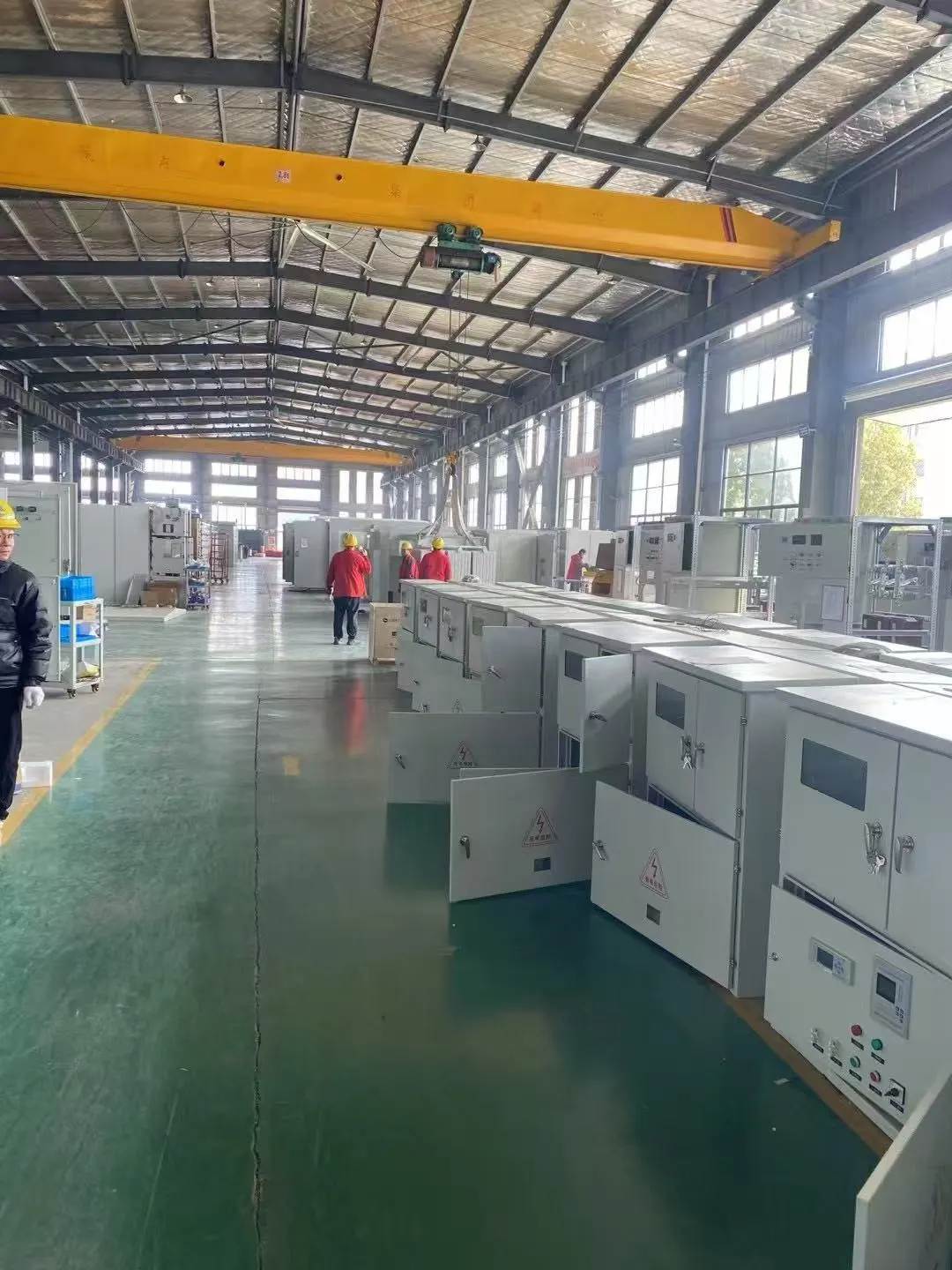
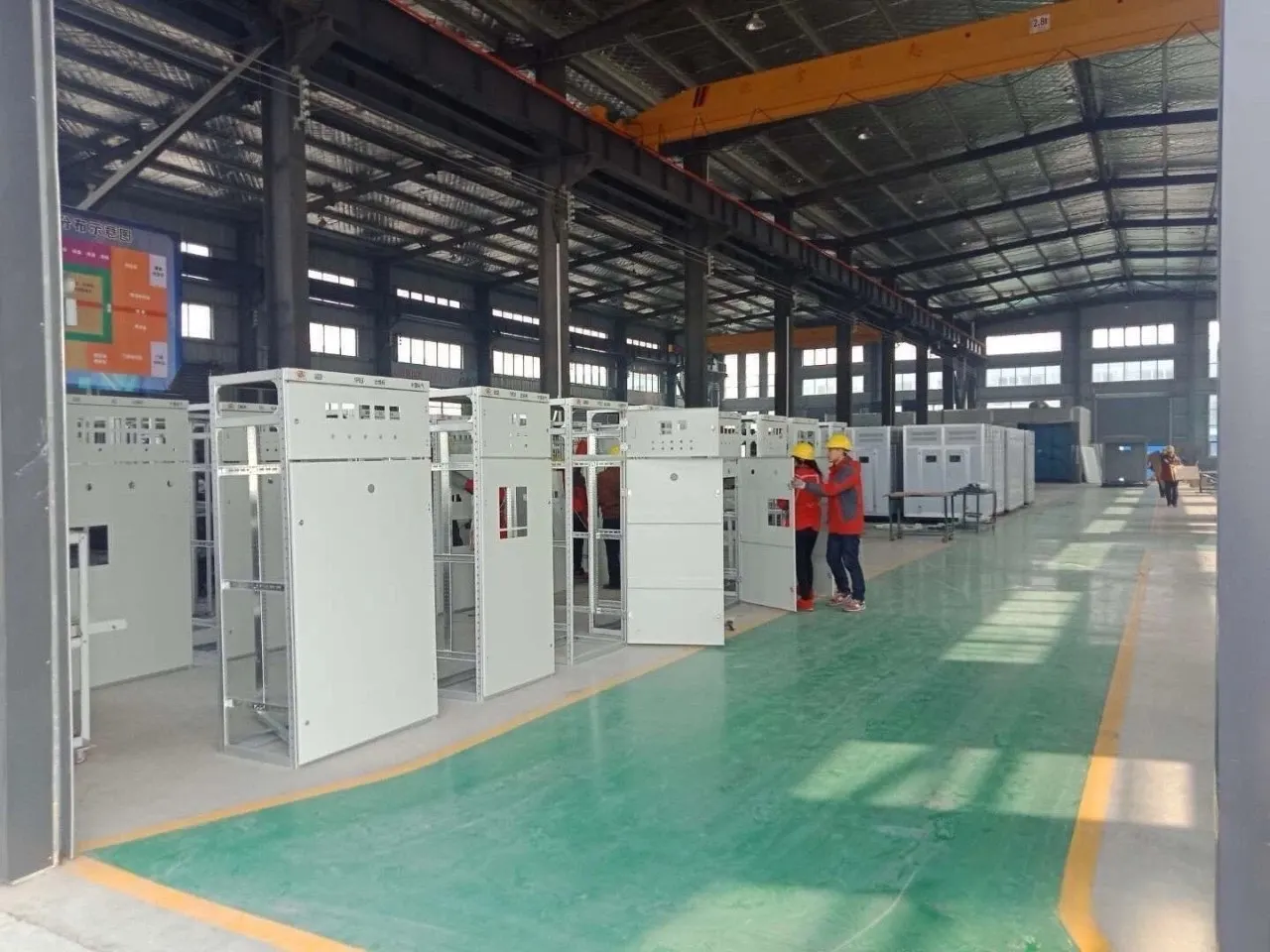
That is why these units arrive highly factory‑prepared. On site they bolt together and connect, with far less skilled trade work. The reference Gulf‑region new‑energy power distribution project on our site took box‑type substations across six equipment batches, delivered to project specification.
Distributed power projects work the same way at smaller scale. A factory, a campus or a remote load needs its own compact node fed by on‑site generation or storage, and that node follows the same package logic: a box substation or a small cabin, local distribution boxes, and a document set matched to the market. Because these projects often grow in phases, we plan the equipment in batches so phase one can be energised while phase two is still on the water. You pack and ship by installation order, which keeps the site uncluttered and the freight bill predictable.
Standards: configured to, not certificates already held
Here we want to be precise, because it protects both of us. On our site we state openly that the standards listed are codes we design and configure to for each market, not a claim of certificates already held. Held or obtainable certifications are confirmed per order and per destination. Where a standard is referenced, it is the benchmark we designed to, not a formal certification unless it is explicitly stated and verified with you.
Most new‑energy buyers start from IEC‑based electrical practice for the switchgear itself, then layer on the structural and import codes the destination requires. Test reports for structural load, fire resistance and coating thickness are prepared to the relevant protocol for your market and available on request.
What each market asks us to design to
- Gulf — Saudi Arabia, UAE, Qatar and neighbours. We design to SASO and SBC requirements, with wind and seismic load design for the structure. The reference Gulf new‑energy distribution project shipped under this framing.
- European Union and United Kingdom. We configure to the CE marking framework, to EN 1090 for steel execution, and to Eurocode (EN 1993) structural practice.
- Australia and New Zealand. We design to AS/NZS 1170 for loads and the relevant AS/NZS steel standards, including cyclone‑rated design where the project sits in a cyclone region.
- United States and Canada. We work to the IBC / ICC framework and ASCE 7 for loads, and to CSA for the Canadian market.
If your destination is not listed, tell us the country and we will confirm what we can configure and certify to for that specific order.
Why the honesty matters
An export order dies in two places: at the approval desk and at the port. Overclaiming a certificate you do not hold gets a shipment stopped at customs. Being upfront that a code is the design benchmark, and that the held or obtainable certificate is confirmed per order, keeps the project moving and keeps the paperwork checkable. We can put original documents, test records or inspection reports in front of you or a nominated third‑party inspector before the container closes. Ask to see them. A buyer who has never asked for the paperwork before shipment is a buyer who finds surprises after it.
Start with the destination and the node
Send us the project type (solar, storage or distributed), the node rating, the number of feeders, the site environment and the destination country. We will come back with a box‑substation, combiner‑box and cabin package laid out to a confirmed single‑line diagram, packed for export, and benchmarked to the right market codes. Because the whole package comes from one factory, the interfaces between the substation, the combiner boxes and the cabin are agreed before production, not argued about on site.