Choosing an Electrical Equipment Type
JSGK supplies Choosing an Electrical Equipment Type for substations, switchgear rooms, industrial facilities and new-energy project sites.
Typical quotation inputs include voltage level, rated current, short-circuit level, transformer capacity, circuit quantity, site environment, drawings and required documents.
Final configuration is confirmed from approved datasheets, single-line diagrams, cabinet arrangement drawings and project standards before production.
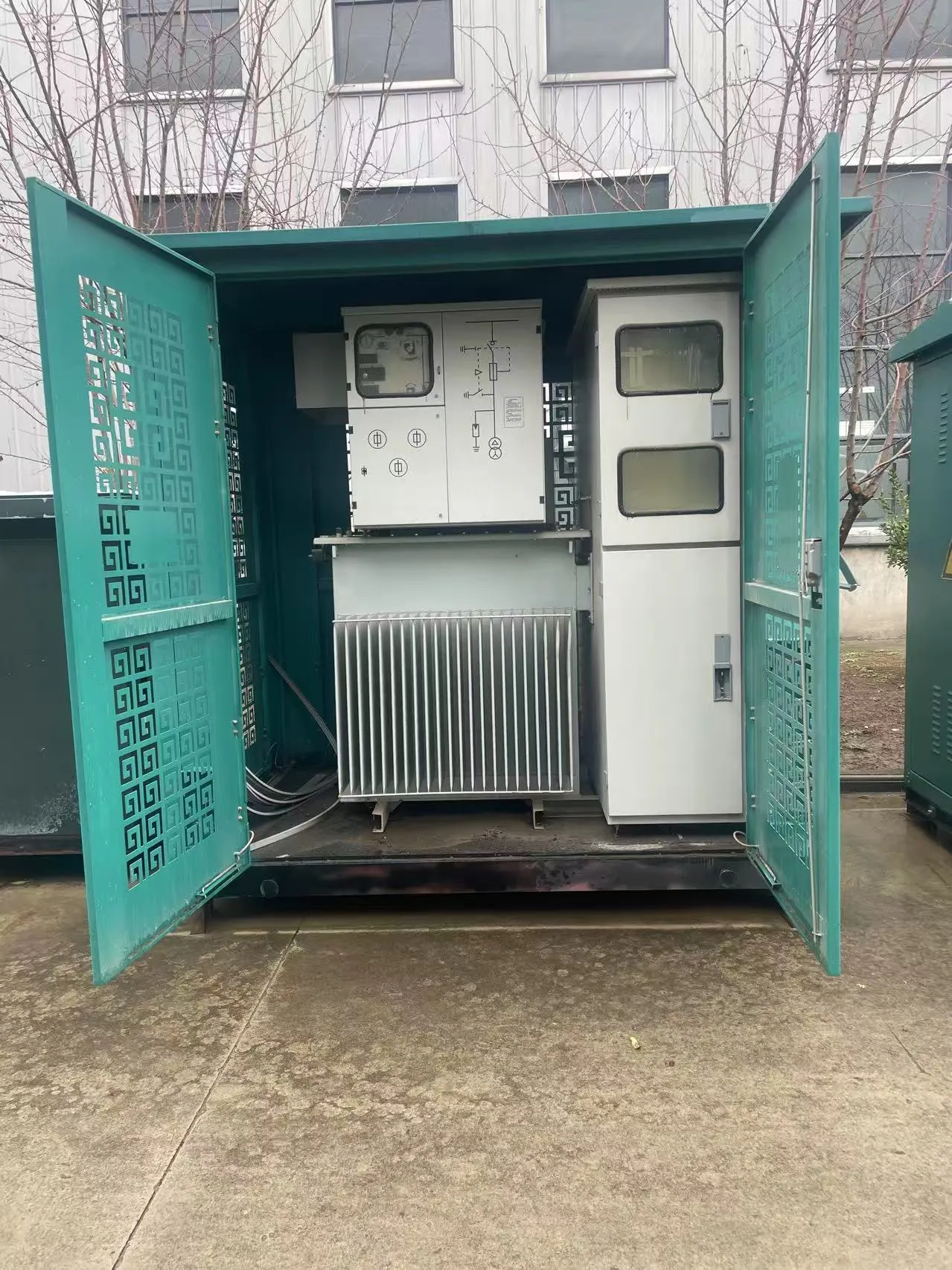
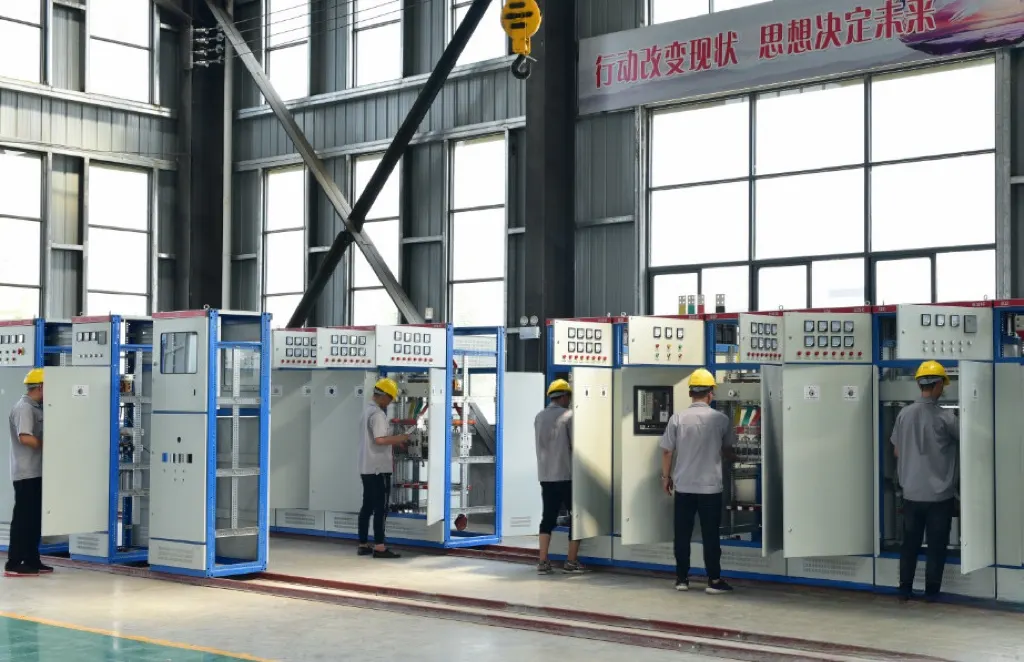
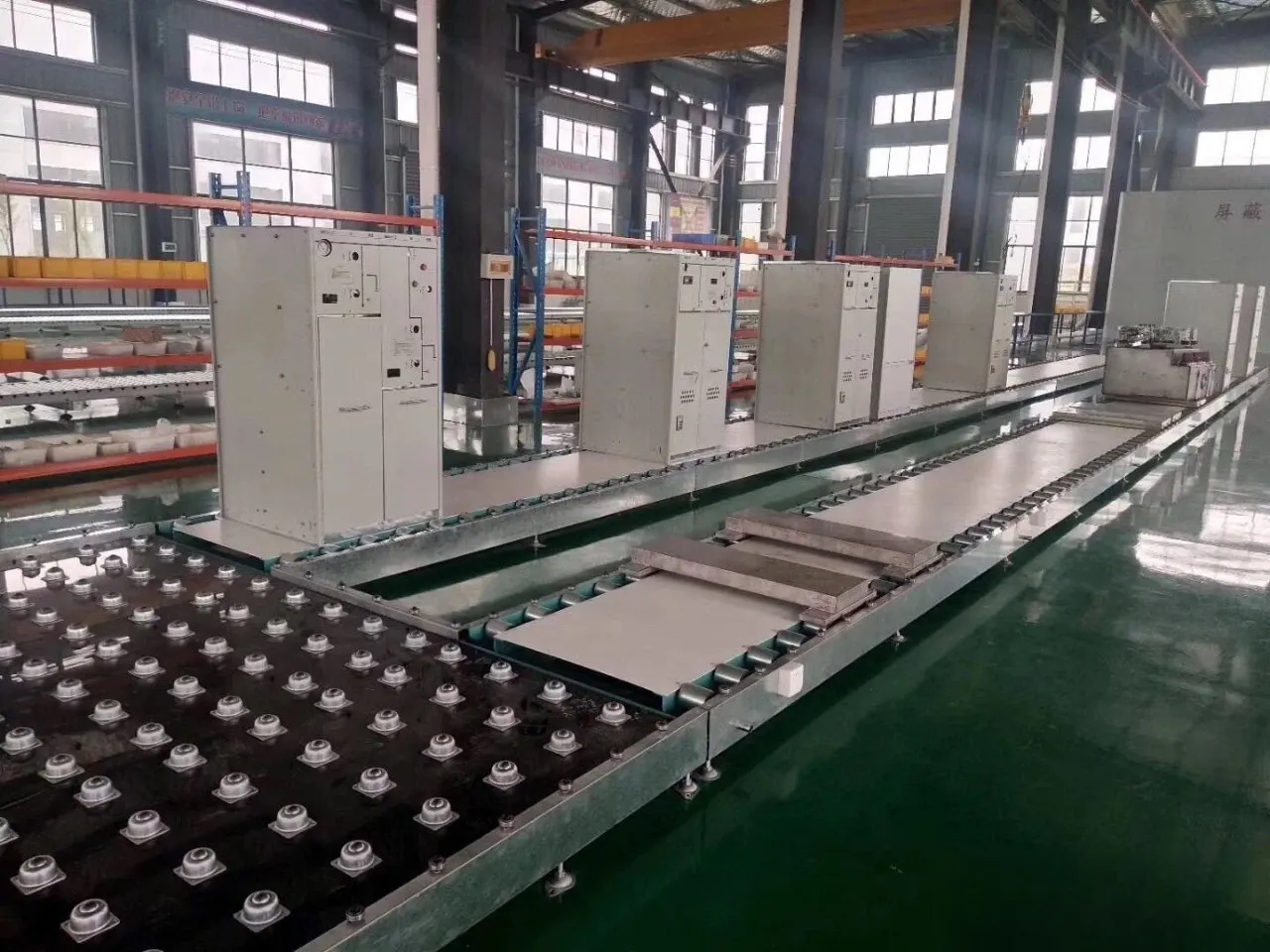
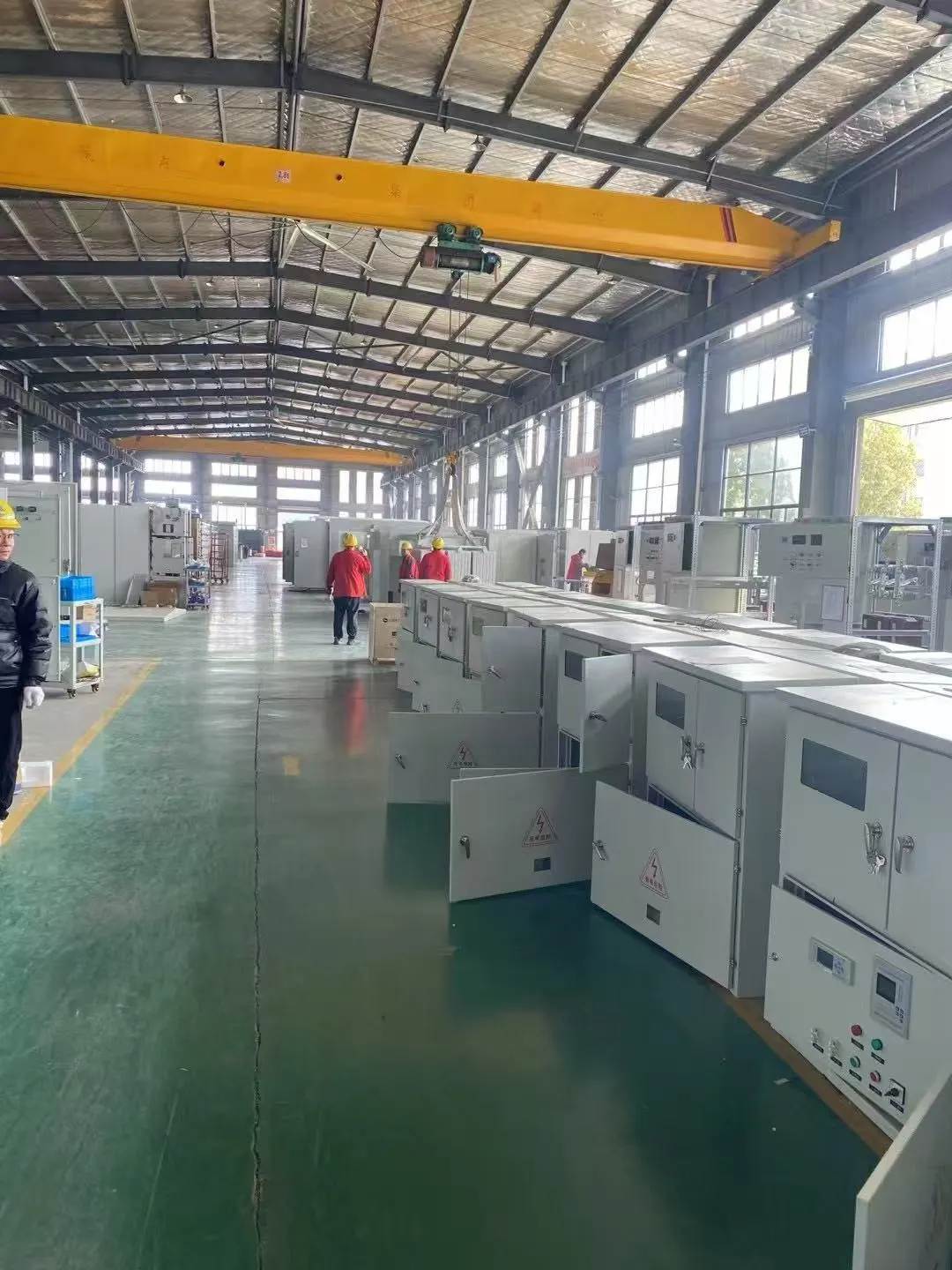
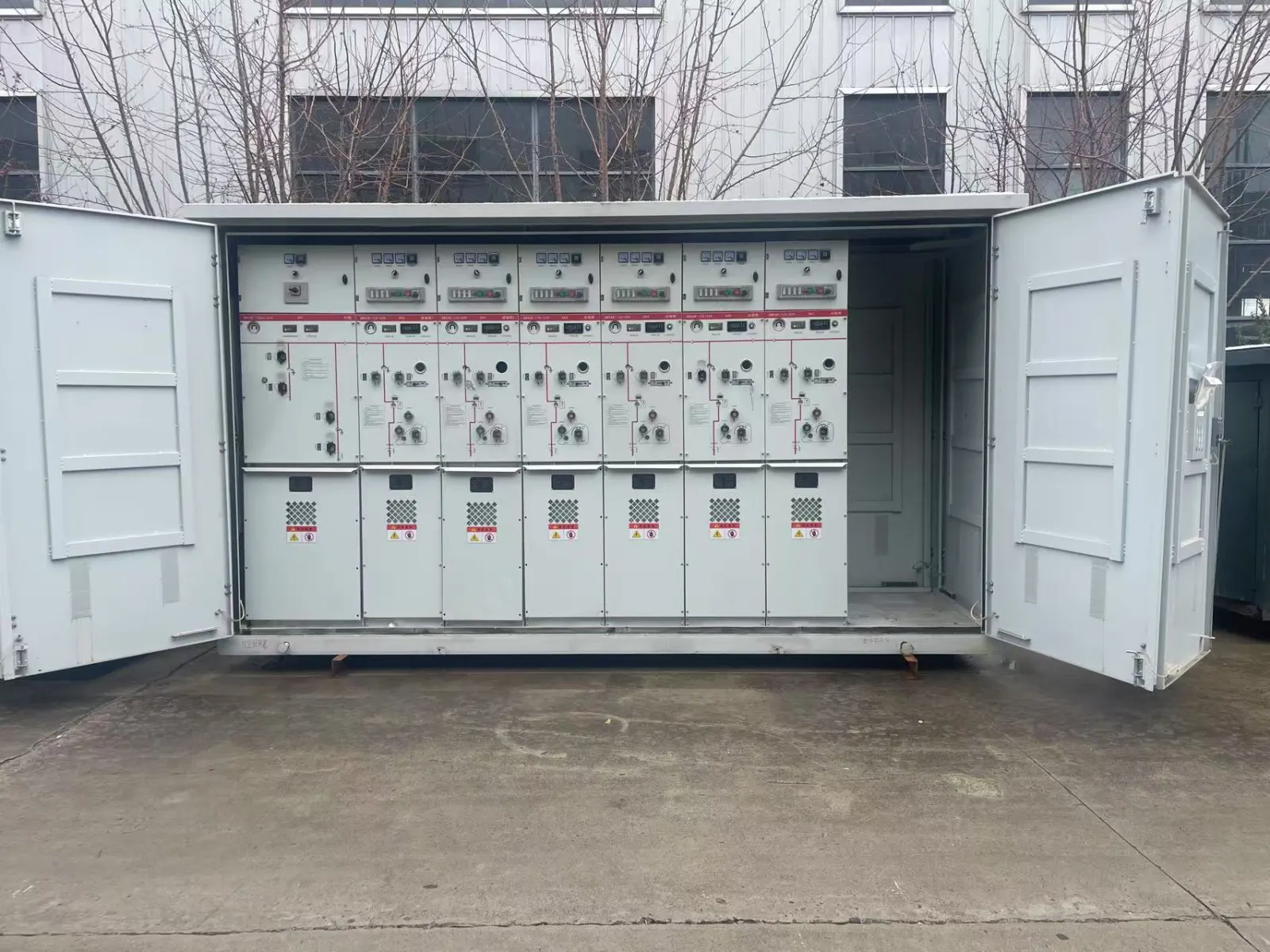
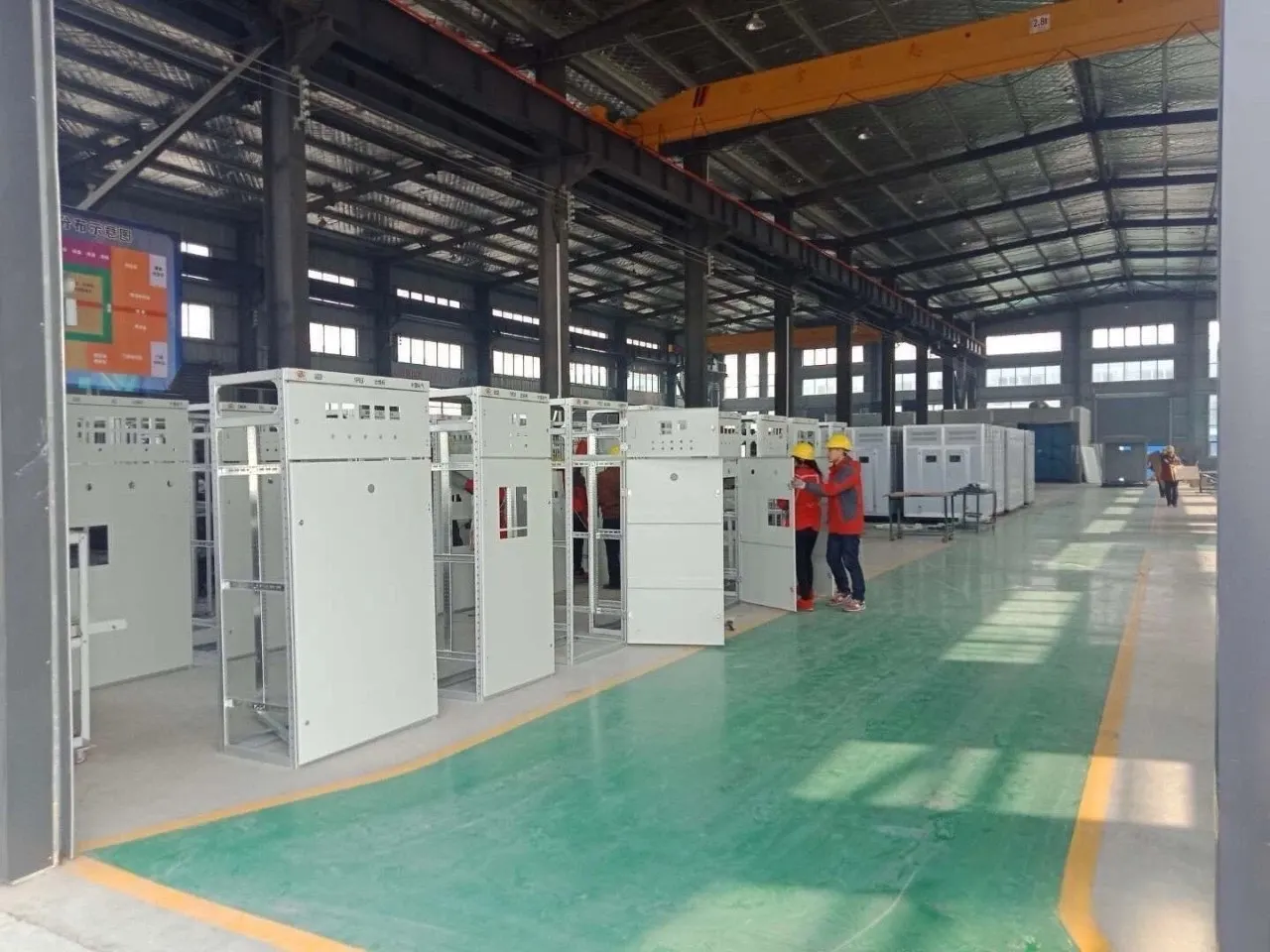
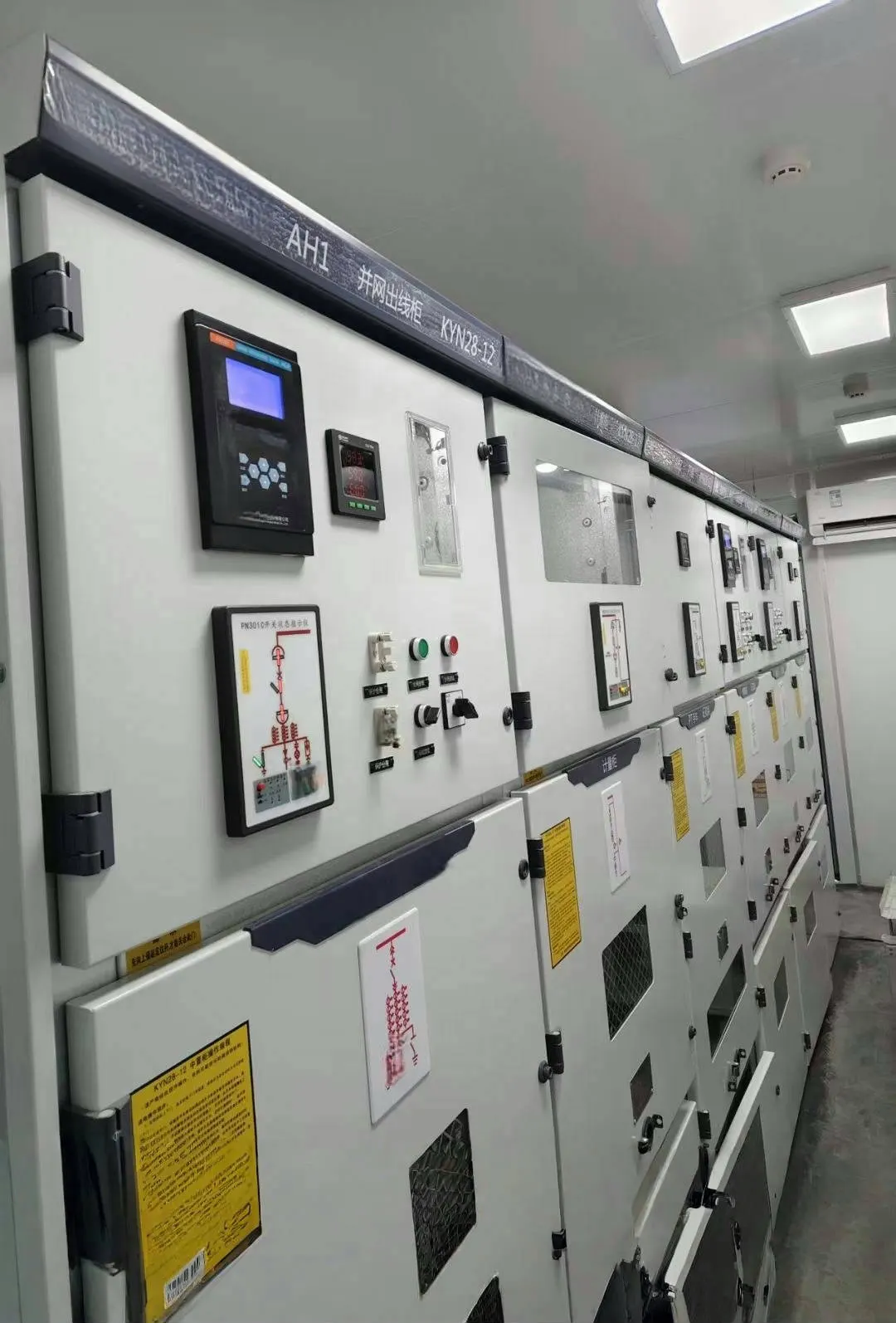
Factory-side work can include equipment assembly, secondary wiring, routine inspection, outgoing inspection, packing and document preparation according to the confirmed scope.
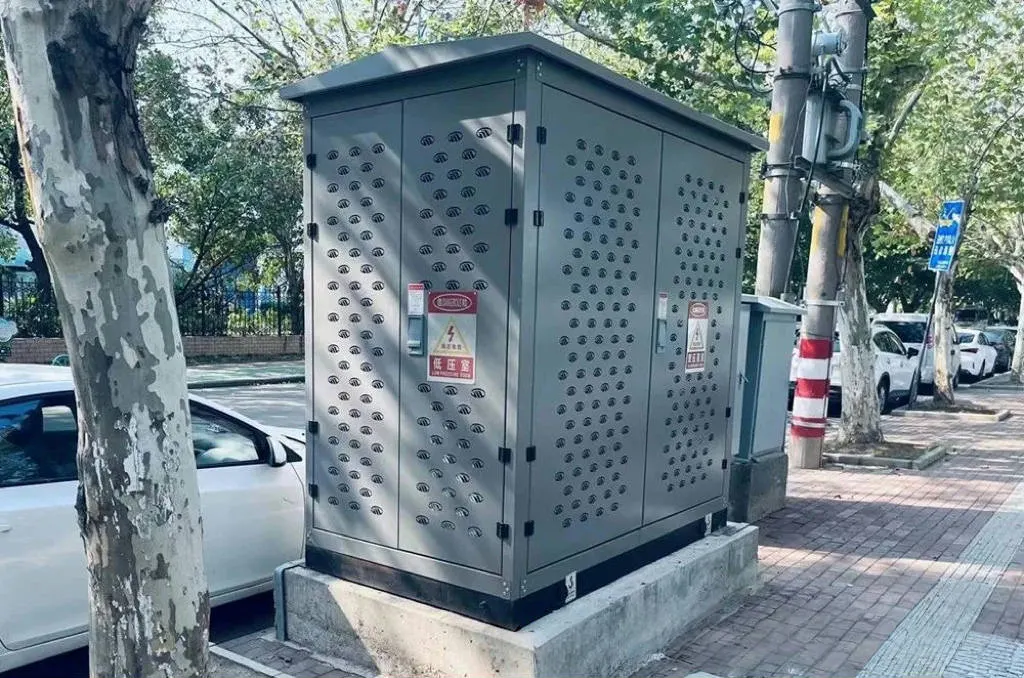
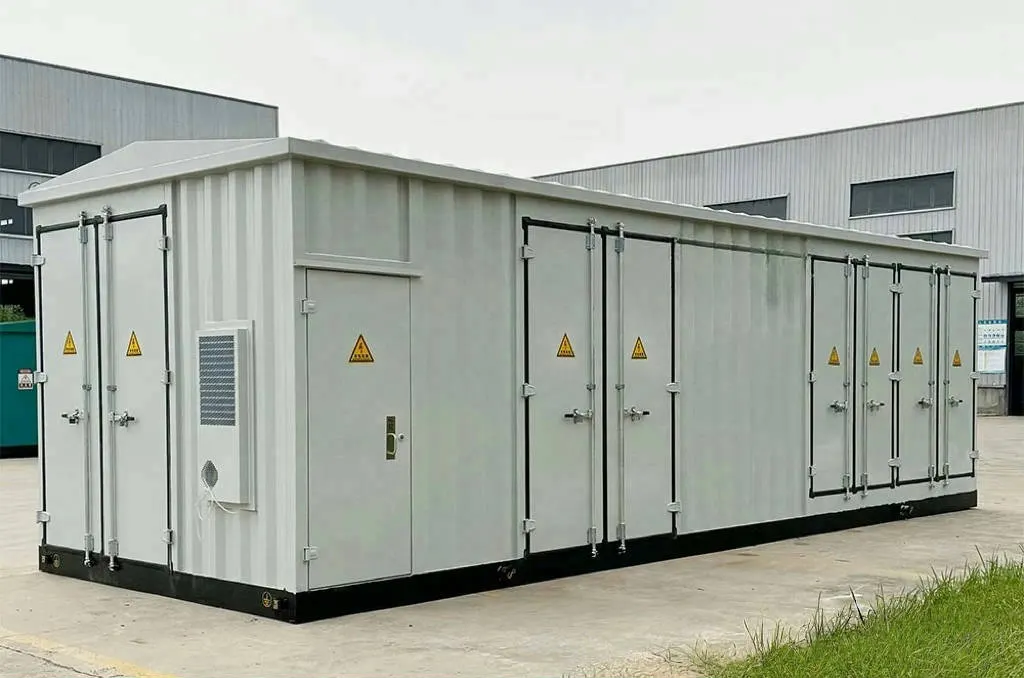
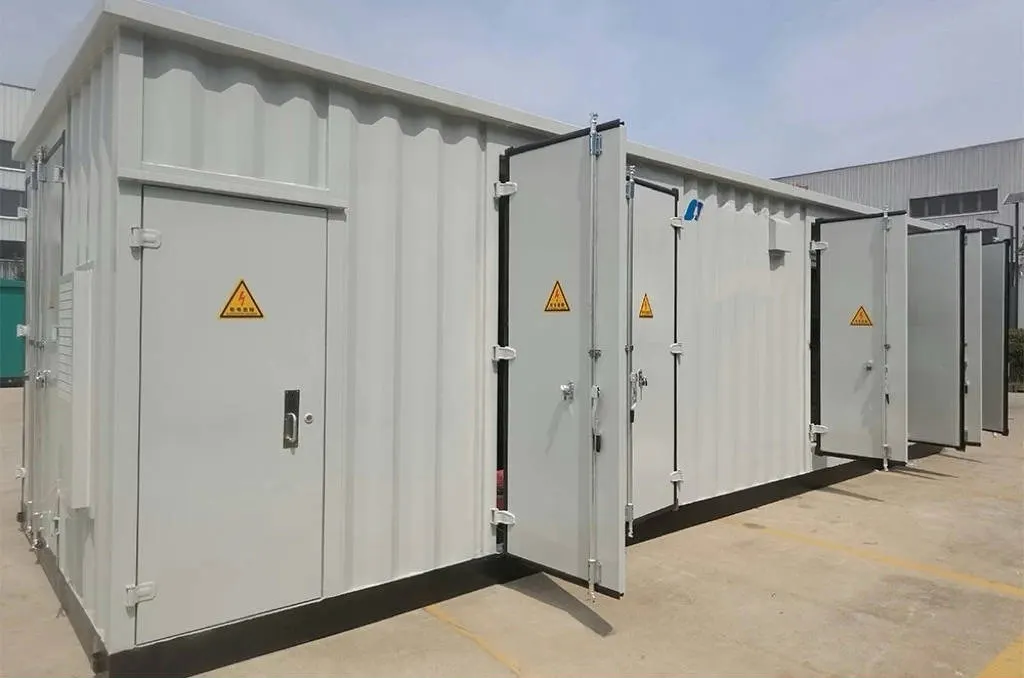
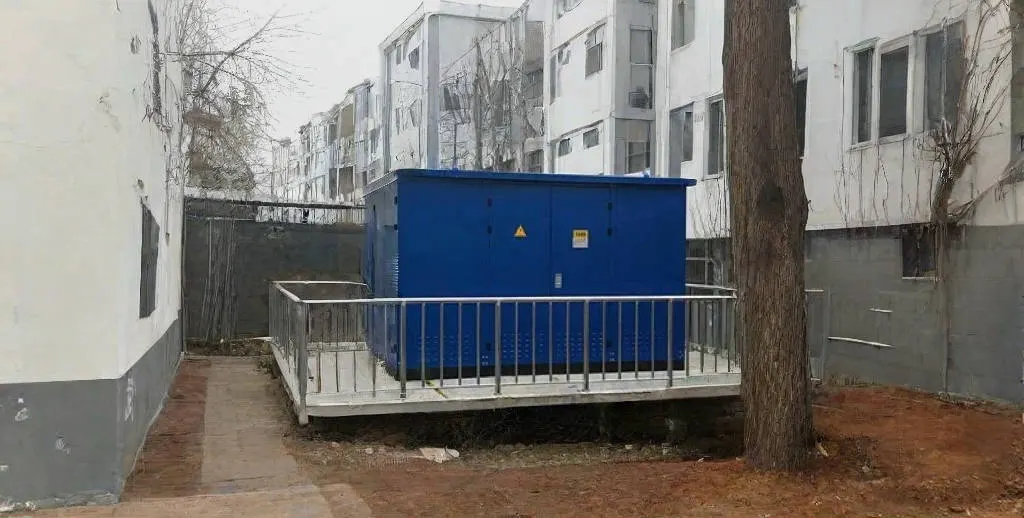
For outdoor or site-side equipment, clarify IP protection, corrosion environment, ventilation, foundation, cable entry and maintenance access during the RFQ stage.
JSGK supports project buyers with product selection, scheme confirmation, factory coordination and documentation for electrical distribution equipment orders.
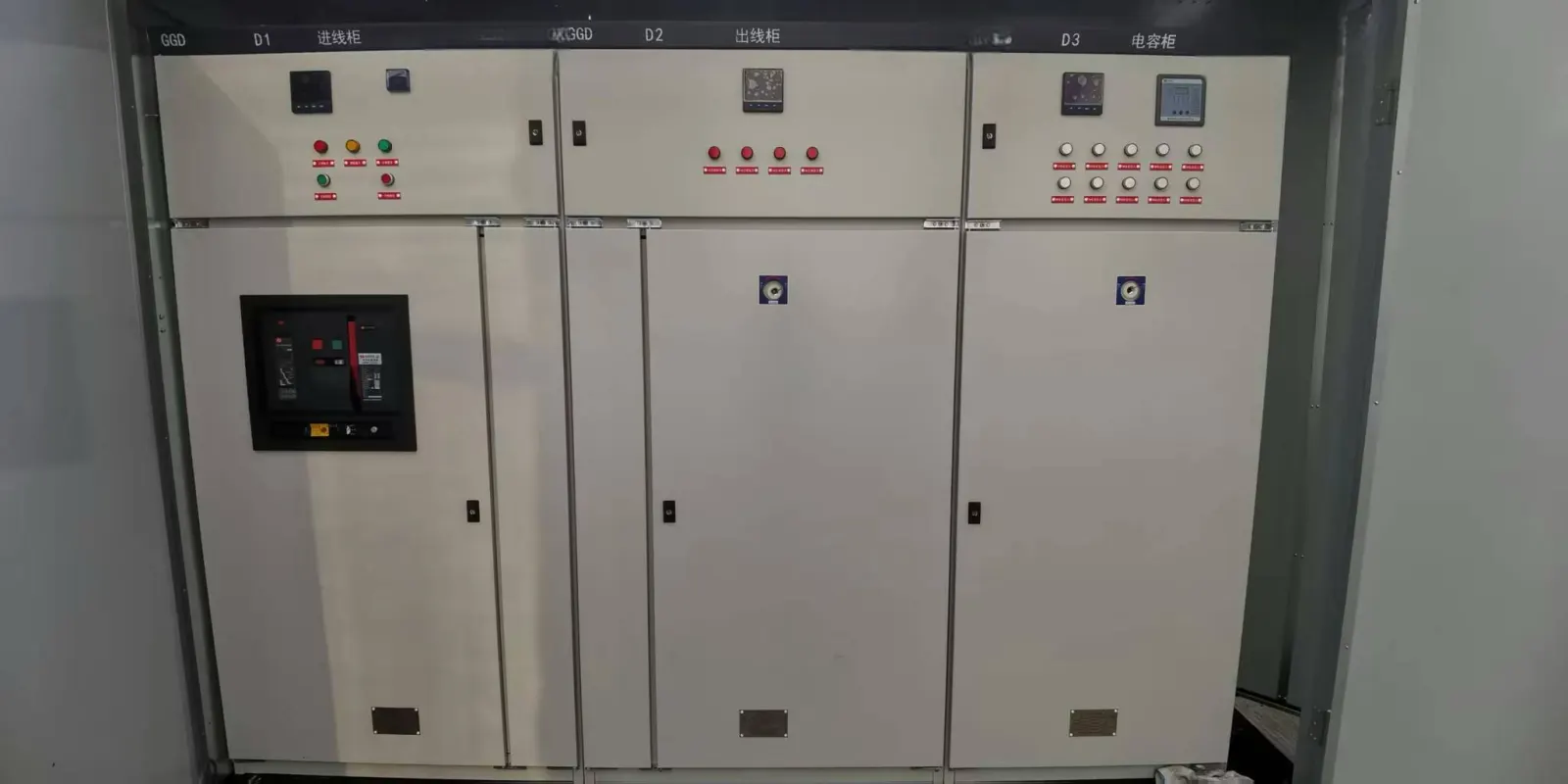
Our team can prepare cabinet layouts, technical datasheets, inspection records and delivery documents according to the confirmed project scope.
Send the product family, electrical parameters, quantity, project location and delivery schedule so the sales and engineering team can prepare a focused quotation.
JSGK supplies Choosing an Electrical Equipment Type for substations, switchgear rooms, industrial facilities and new-energy project sites.
Typical quotation inputs include voltage level, rated current, short-circuit level, transformer capacity, circuit quantity, site environment, drawings and required documents.
Final configuration is confirmed from approved datasheets, single-line diagrams, cabinet arrangement drawings and project standards before production.
Factory-side work can include equipment assembly, secondary wiring, routine inspection, outgoing inspection, packing and document preparation according to the confirmed scope.
For outdoor or site-side equipment, clarify IP protection, corrosion environment, ventilation, foundation, cable entry and maintenance access during the RFQ stage.
JSGK supports project buyers with product selection, scheme confirmation, factory coordination and documentation for electrical distribution equipment orders.
Our team can prepare cabinet layouts, technical datasheets, inspection records and delivery documents according to the confirmed project scope.
Send the product family, electrical parameters, quantity, project location and delivery schedule so the sales and engineering team can prepare a focused quotation.
JSGK supplies Choosing an Electrical Equipment Type for substations, switchgear rooms, industrial facilities and new-energy project sites.
Typical quotation inputs include voltage level, rated current, short-circuit level, transformer capacity, circuit quantity, site environment, drawings and required documents.
Final configuration is confirmed from approved datasheets, single-line diagrams, cabinet arrangement drawings and project standards before production.
Can I mix different types in one order?
Factory-side work can include equipment assembly, secondary wiring, routine inspection, outgoing inspection, packing and document preparation according to the confirmed scope.
Which type is cheapest?
For outdoor or site-side equipment, clarify IP protection, corrosion environment, ventilation, foundation, cable entry and maintenance access during the RFQ stage.
Which is fastest to get occupied?
JSGK supports project buyers with product selection, scheme confirmation, factory coordination and documentation for electrical distribution equipment orders.
Are these permanent electrical systems, or temporary?
Our team can prepare cabinet layouts, technical datasheets, inspection records and delivery documents according to the confirmed project scope.
Do I need a foundation?
Send the product family, electrical parameters, quantity, project location and delivery schedule so the sales and engineering team can prepare a focused quotation.
What if none of the six fit exactly?
JSGK supplies Choosing an Electrical Equipment Type for substations, switchgear rooms, industrial facilities and new-energy project sites.
Typical quotation inputs include voltage level, rated current, short-circuit level, transformer capacity, circuit quantity, site environment, drawings and required documents.
Final configuration is confirmed from approved datasheets, single-line diagrams, cabinet arrangement drawings and project standards before production.
Factory-side work can include equipment assembly, secondary wiring, routine inspection, outgoing inspection, packing and document preparation according to the confirmed scope.