Failure Cases

Lessons Learned and Risk Prevention

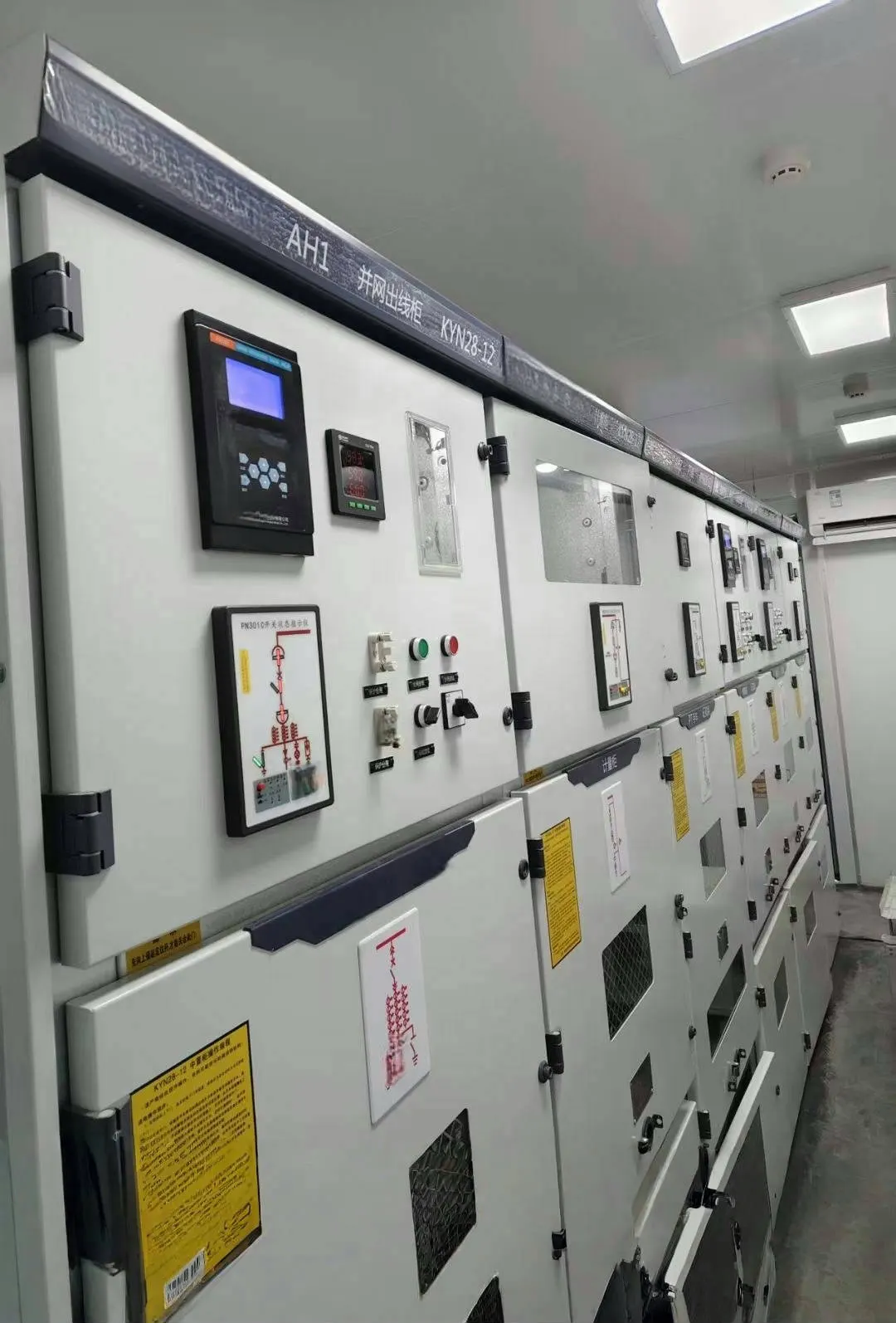
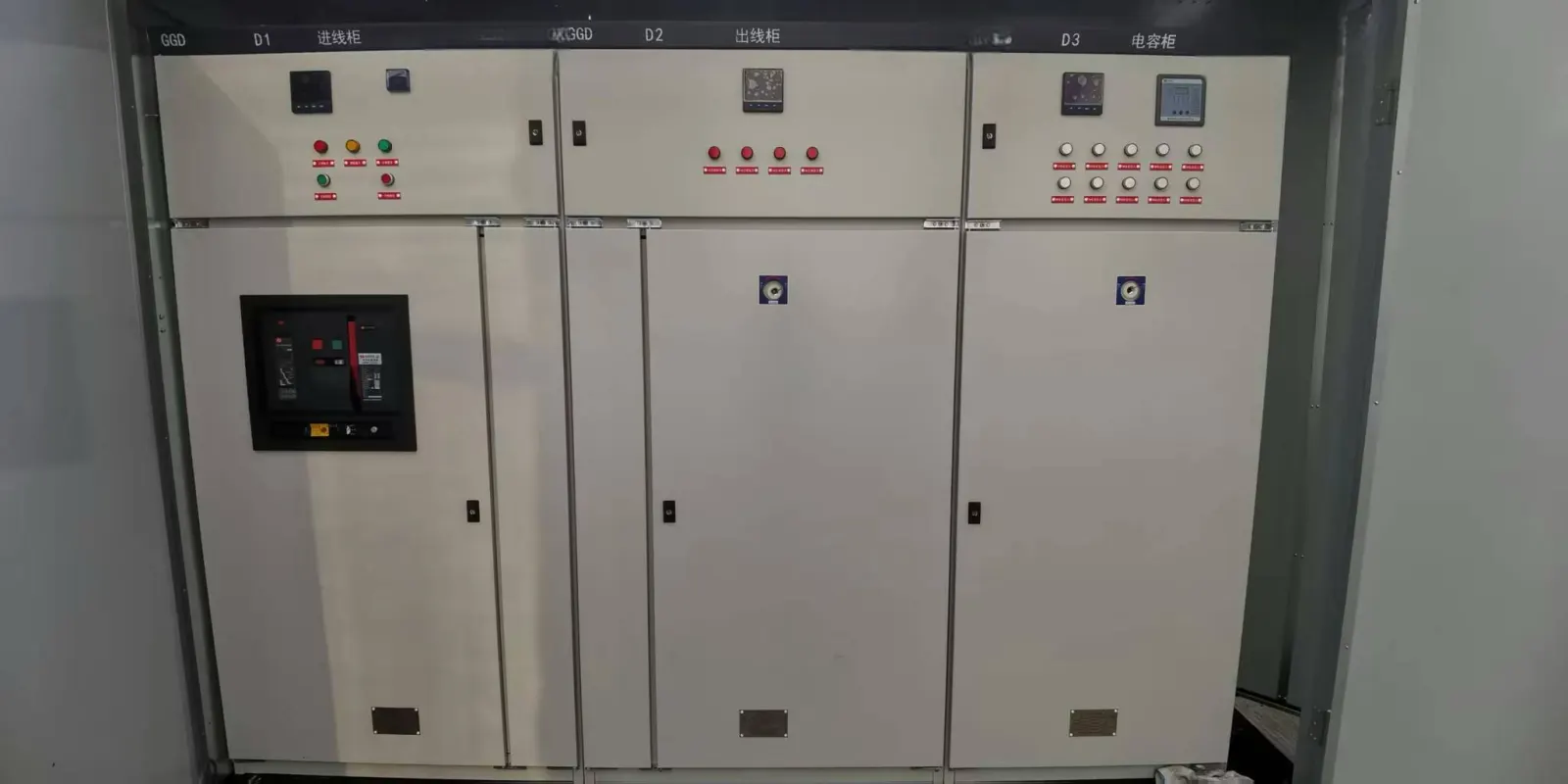
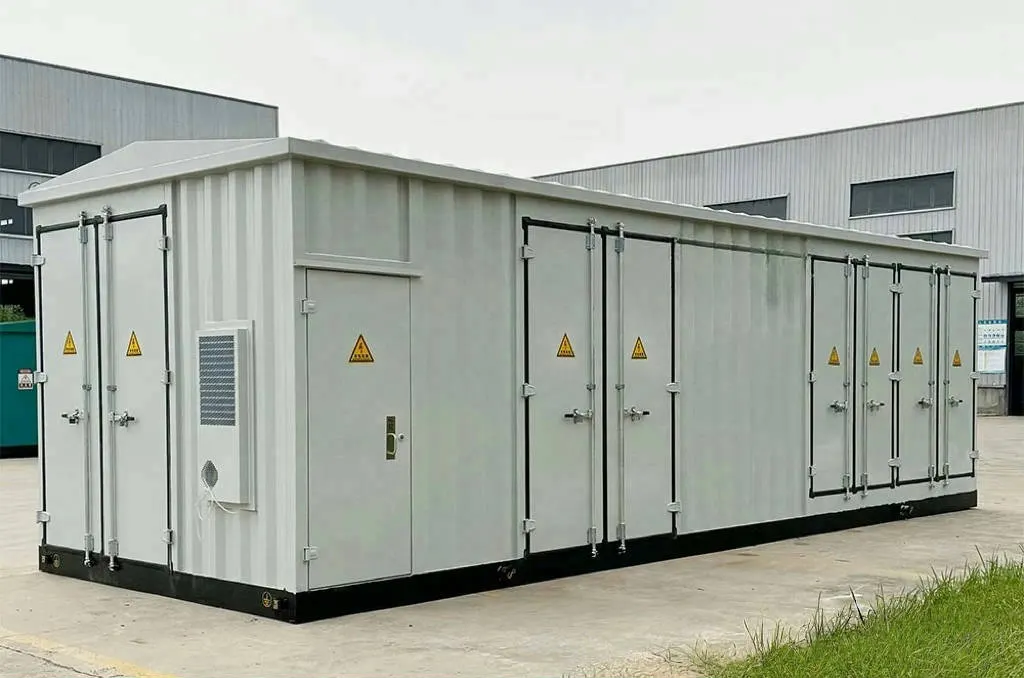
JSGK supplies Lessons Learned and Risk Prevention for substations, switchgear rooms, industrial facilities and new-energy project sites.
Found in our own testing Fixed at the source Built back into the spec Documented, not hidden
What went wrong — and what we did
Five faults we found, and the fixes that stuck.

Typical quotation inputs include voltage level, rated current, short-circuit level, transformer capacity, circuit quantity, site environment, drawings and required documents.

Case 01 Condensation on internal layout steel in cold, humid climates Resolved
What we saw
Beads of water and damp patches on inside wall faces and around fixings during cold, humid deployments — with the risk of mould over time.
Root cause
Thermal bridging: steel members carried cold straight through the wall, so warm indoor air condensed on the cold inner surface.
What we changed
Added a thermal break at the steel, continuous insulation and a vapour-control layer for cold-climate orders, specified to the destination.
Now: cold-climate builds ship with the upgraded wall make-up by default — tell us the destination and we spec for it.
Case 02 Weld cracking at corner connections under stacking & transit load Resolved
What we saw
Hairline cracking at a few corner welds after repeated stacking and the pounding of long-haul transit.
Root cause
Stress concentrated at the corner detail, and weld quality varied between welders — the weak joints failed first.
What we changed
Reinforced the corner detail, standardised the weld procedure, and added a post-weld visual check before units leave the line.
Now: corners are inspected to a fixed checklist and the reinforced detail is standard.
Case 03 Doors and windows binding after long sea freight Resolved
What we saw
A handful of units arrived with doors or windows that stuck or wouldn’t latch cleanly after weeks at sea.
Root cause
The structure flexed and twisted in transit, racking the openings just enough to throw frames out of square.
What we changed
Stiffened the door and window frames, added removable transit bracing, and squared every opening on a jig before despatch.
Now: openings are braced for shipping and checked for square at the factory — they operate on arrival.
Case 04 Floor bounce in deployed expandable wings Resolved
What we saw
Noticeable spring and bounce underfoot in the opened-out wings of early expandable units when furnished and occupied.
Root cause
The floor joists spanned too far for the cantilevered wing once it carried real, live load — stiff enough to stand on, not stiff enough to feel solid.
What we changed
Tightened joist spacing and used a deeper floor section in the wings, then re-checked deflection under load before sign-off.
Now: expandable floors are designed to the loaded span, so the deployed wing feels as solid as the core.
Case 05 Coating blistering and early rust in coastal salt-fog Resolved
What we saw
Paint blistering and spots of surface rust appearing early on units sited right on the coast, especially at edges and fixings.
Root cause
The standard coating system wasn’t built for constant salt-fog, and coverage was thin on cut edges and welds where rust starts.
What we changed
Offer an upgraded marine coating system with proper edge preparation and galvanised fasteners for coastal orders.
Now: if you tell us it’s a coastal site, we quote the marine-grade coating spec from the start.

Final configuration is confirmed from approved datasheets, single-line diagrams, cabinet arrangement drawings and project standards before production.

How we catch them first
Every fault above came out of this loop.

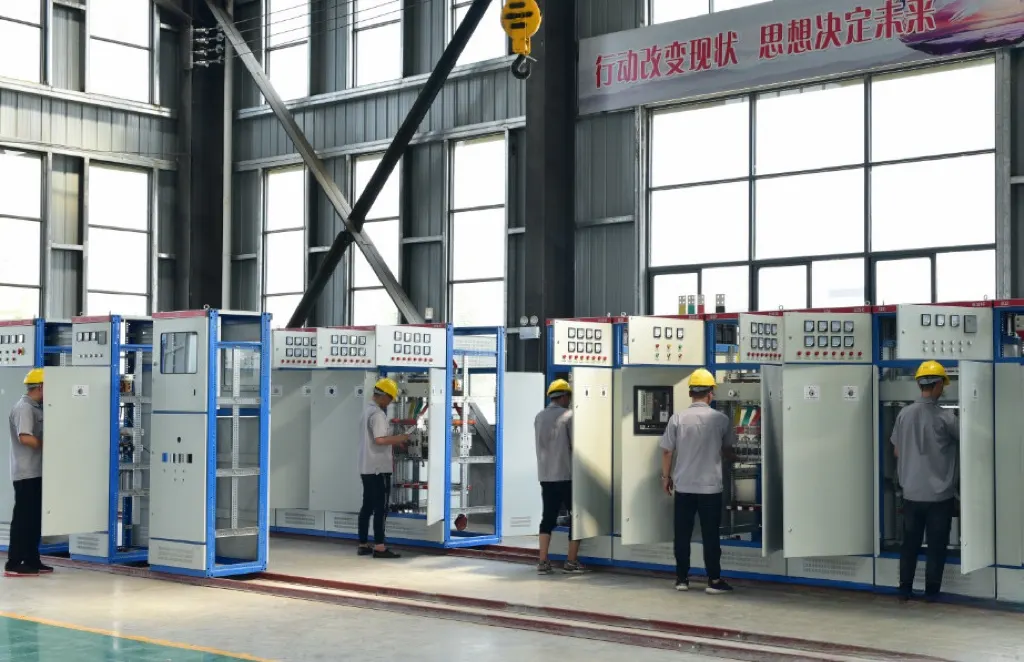
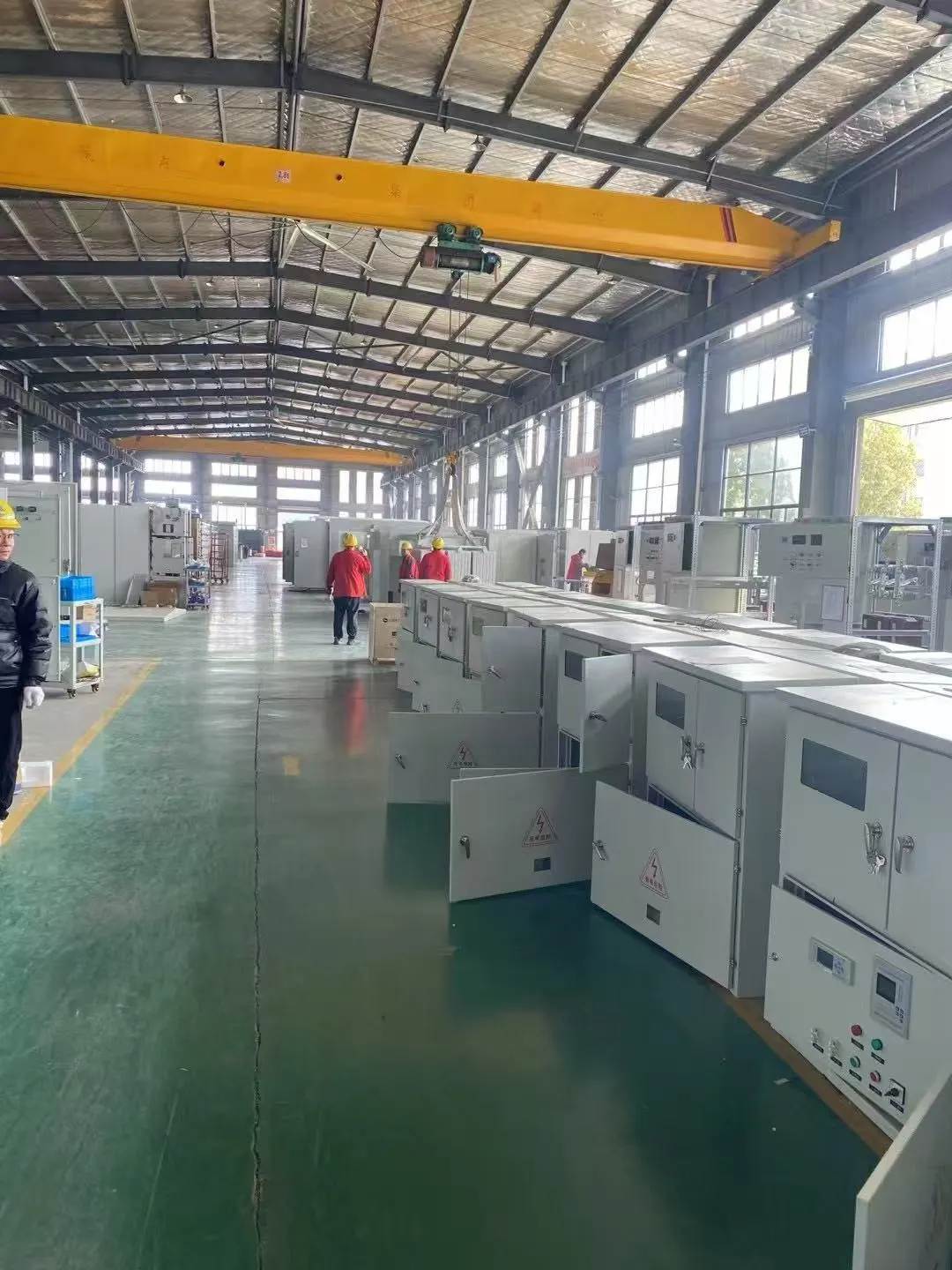
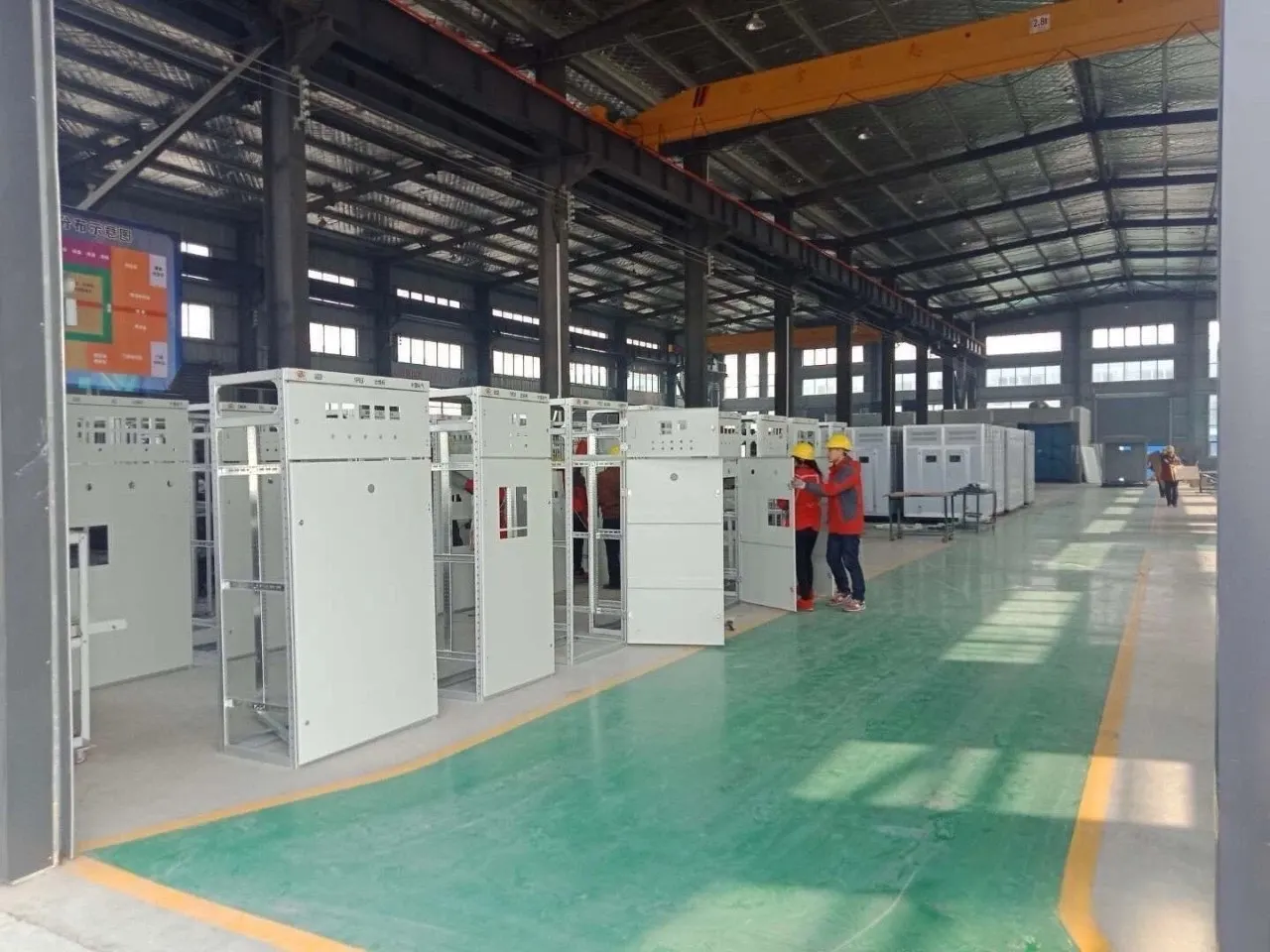
Factory-side work can include equipment assembly, secondary wiring, routine inspection, outgoing inspection, packing and document preparation according to the confirmed scope.

STEP 01
Prototype & stress-test
Every new model is built and pushed before it’s offered — we try to break it on purpose.
STEP 02
Load, transit & climate checks
Stacking, shipping movement and the destination’s climate are checked against the design intent.
STEP 03
Watch early field units
We follow the first units of a model in real deployments and listen hard for what we missed.
STEP 04
Write it back into the spec
Each fix becomes a drawing change and a checklist line — so the next unit ships with it built in.
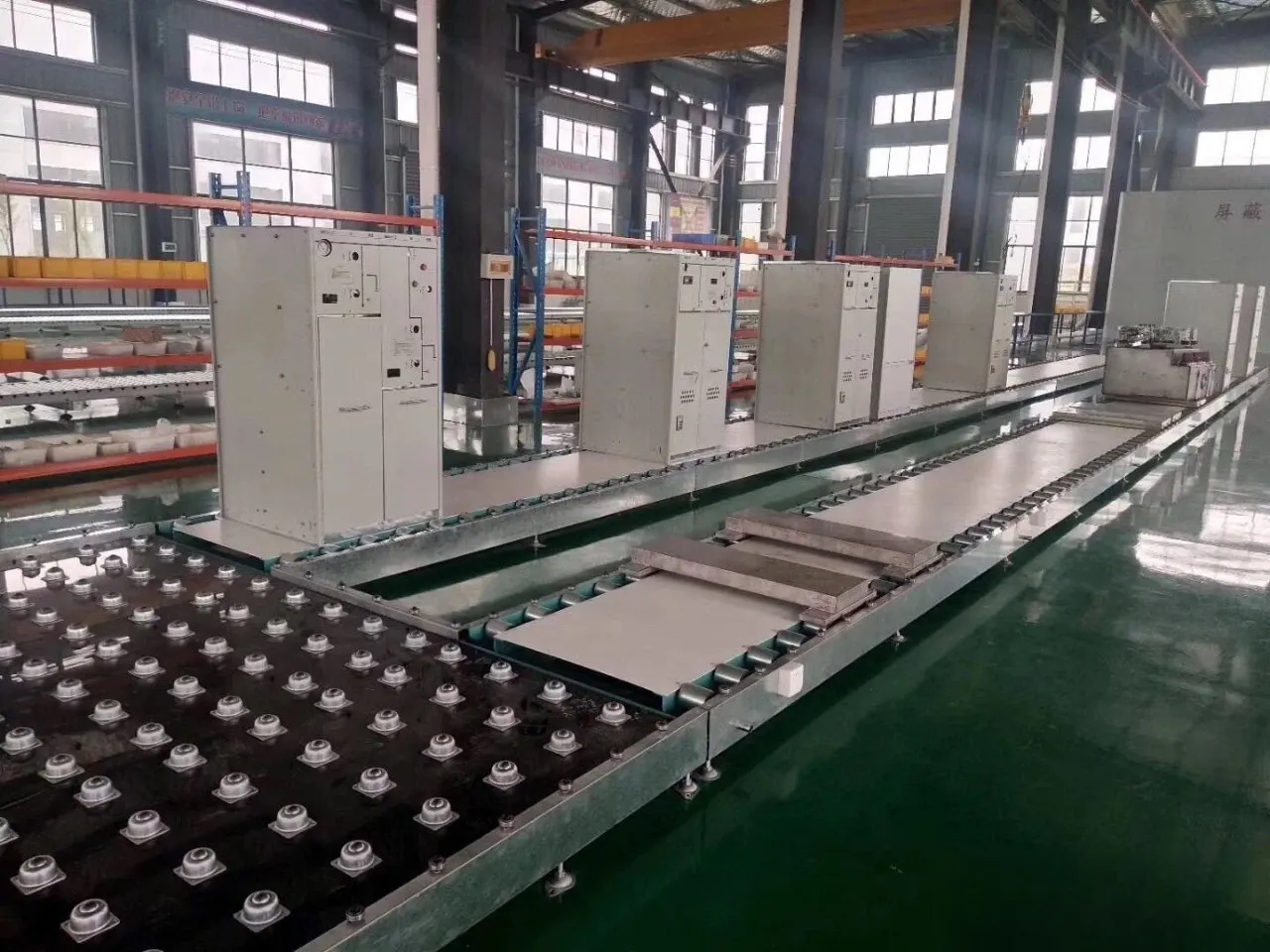
The loop is the point. It’s also where our welding, coating and load checks live — see exactly how quality control runs the line. How QC works
Inside the company
See the rest of how we work.

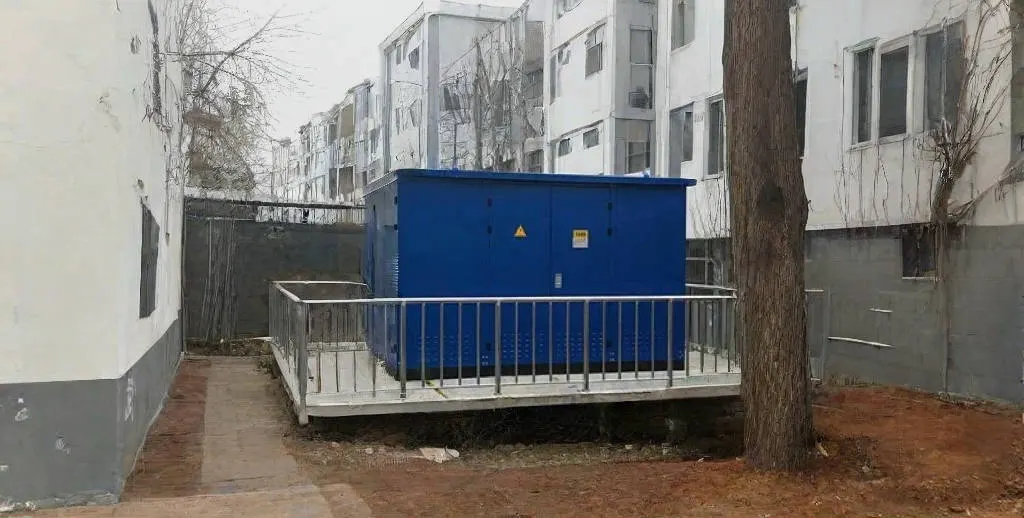
For outdoor or site-side equipment, clarify IP protection, corrosion environment, ventilation, foundation, cable entry and maintenance access during the RFQ stage.

We already know where it can go wrong
So tell us your site — we’ll spec around it.

JSGK supports project buyers with product selection, scheme confirmation, factory coordination and documentation for electrical distribution equipment orders.

Our team can prepare cabinet layouts, technical datasheets, inspection records and delivery documents according to the confirmed project scope.

Drawings, manuals and test records

Product overview

JSGK supplies Lessons Learned and Risk Prevention for substations, switchgear rooms, industrial facilities and new-energy project sites.
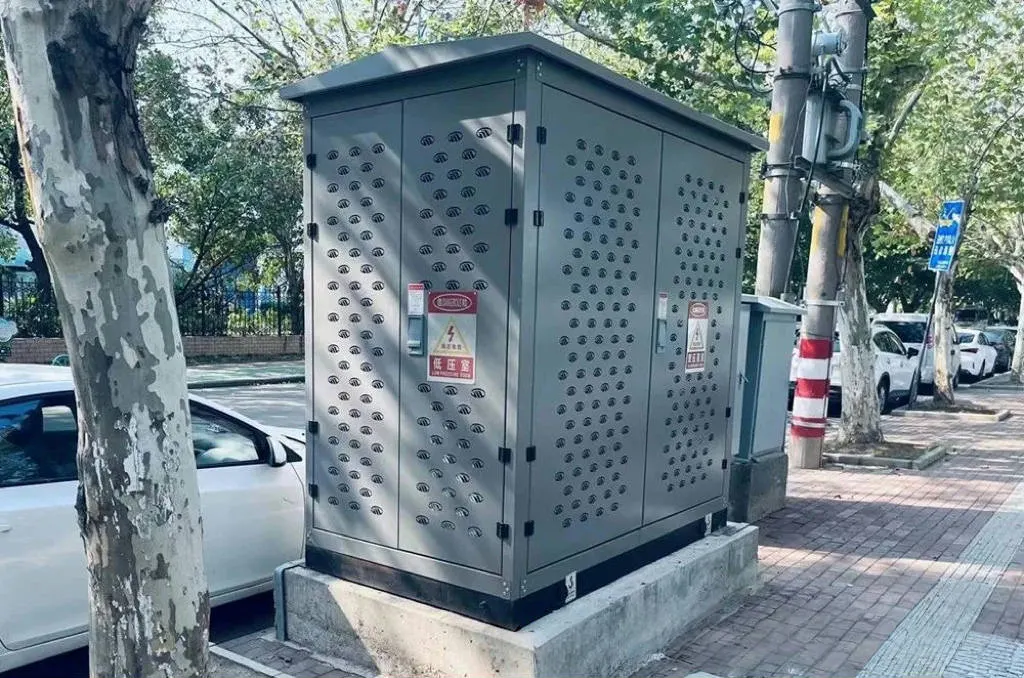
Material checkSteel, panel, roof, floor and finish materials are reviewed against the order configuration.
Frame workFrame, welding, bending, connector and coating details are checked by model.
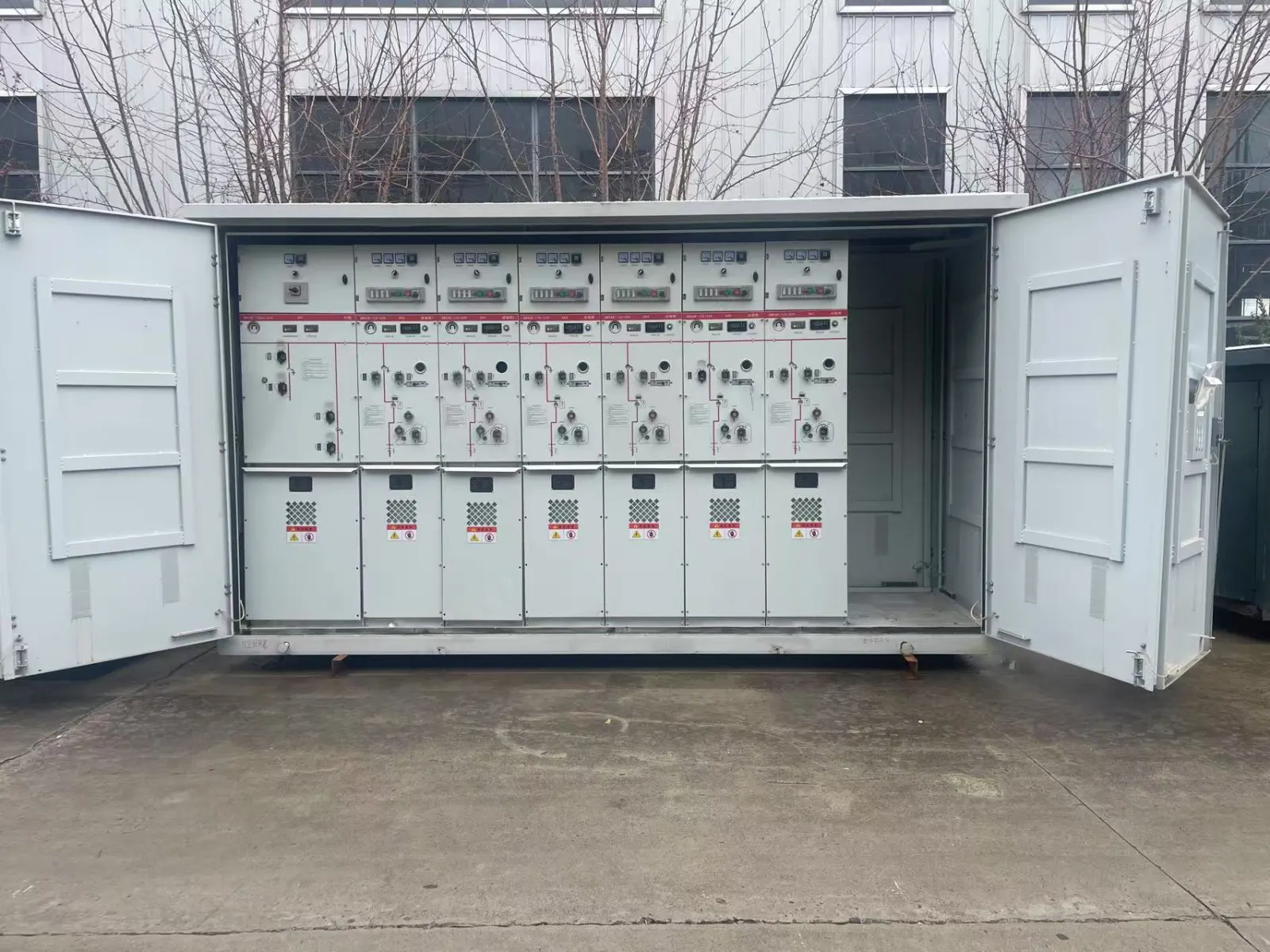
Assembly reviewCabinet parts, protection relay room, electrical and accessory packages are matched before packing.
Pre-load checkQuantity, bundle labels, spare parts and packing sequence are reviewed before shipment.
Export documentsPhotos, packing details and documents are organized for the buyer and destination handover.
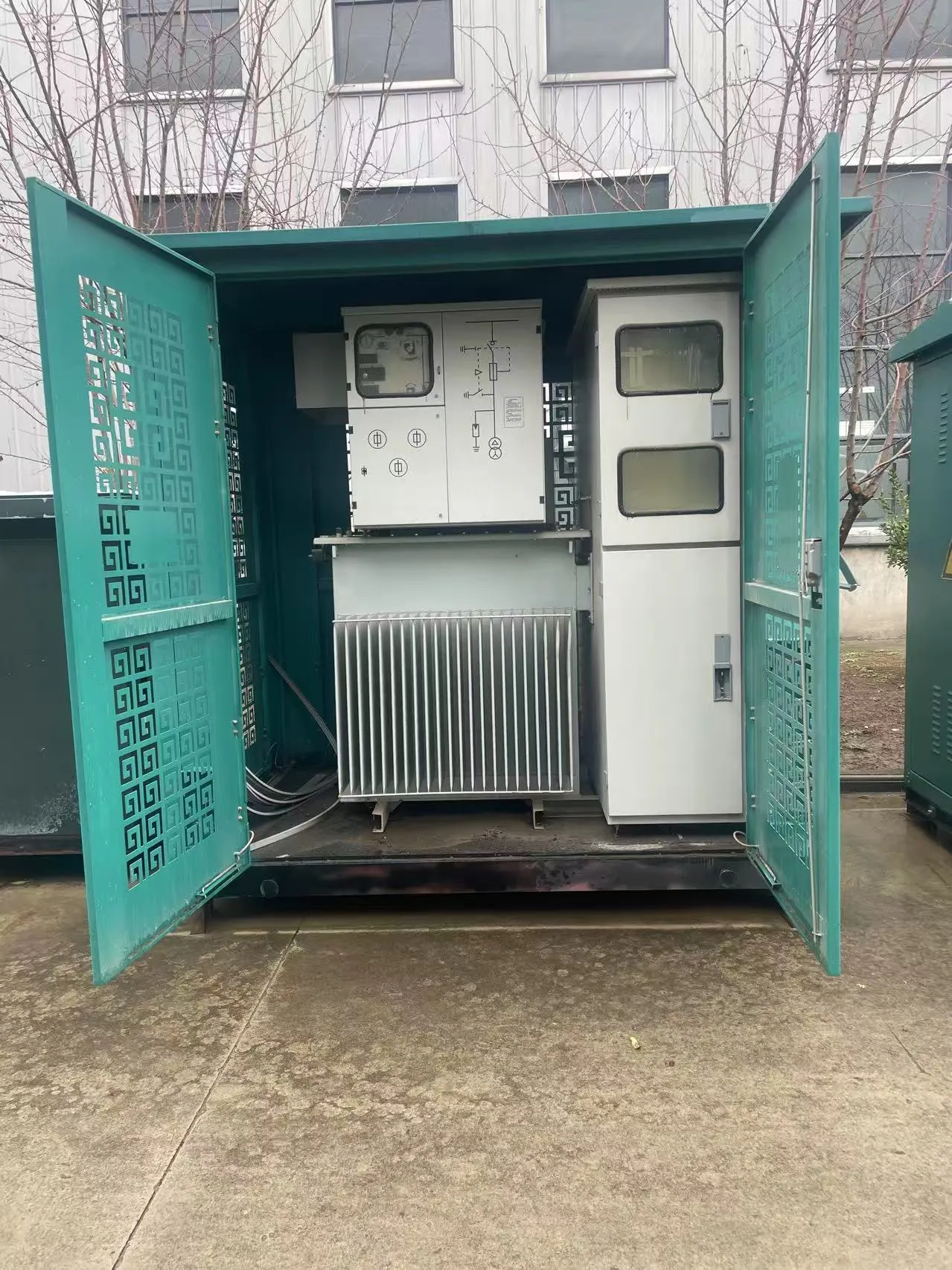
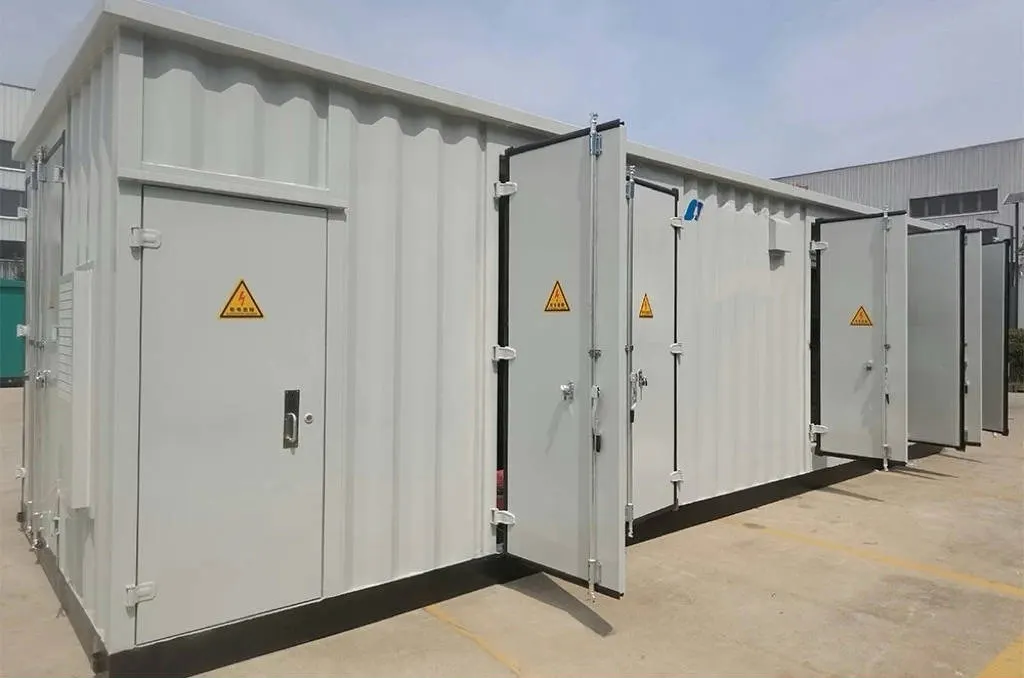
Lessons Learned and Risk Prevention - JSGK equipment photo
Lessons Learned and Risk Prevention - JSGK equipment photo Lessons Learned and Risk Prevention - JSGK equipment photo