Metal-Clad vs. Metal-Enclosed Switchgear: Key Differences and Selection Criteria
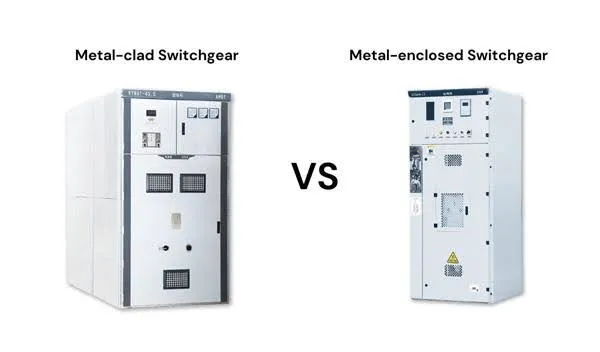
Metal-clad switchgear is a more specifically defined form of metal-enclosed switchgear, not the opposite of it. In IEEE terminology, a metal-clad assembly has particular compartment and barrier arrangements and uses drawout electrically operated circuit breakers. “Metal-enclosed” describes a wider family; the precise requirements depend on the equipment standard and the devices inside the enclosure. A steel cabinet with doors is not automatically metal-clad.
For a project engineer comparing metal-clad vs. metal-enclosed switchgear, the useful questions are: Which standard applies? What interrupts and isolates the circuit? How are the main bus, cable connections and instruments separated? What maintenance access is needed? And do the test records match the ordered equipment? These questions are more reliable than choosing by cabinet appearance or a supplier’s product label.
What Is the Difference Between Metal-Clad and Metal-Enclosed Switchgear?
Metal-enclosed means that electrical equipment is installed within a metal enclosure. It is a broad description, and the detailed requirements come from the applicable equipment standard. Assemblies with interrupter switches, fuses, fixed devices or circuit breakers can be metal-enclosed. Some are divided into several compartments; others have different internal arrangements.
Metal-clad , under IEEE C37.20.2-2025, is a particular medium-voltage construction. The standard’s published scope describes drawout electrically operated circuit breakers and compartments that separate primary components such as the main bus, incoming and outgoing connections, and instrumentation by grounded metal barriers. The complete requirements are more detailed than this short description; the correct claim must refer to a specific assembly and the standard’s edition.
This distinction matters because a broad “metal-enclosed switchgear” label alone cannot tell a buyer whether a breaker is withdrawable, whether compartments have grounded metal separation or which maintenance positions are provided. It also does not prove compliance with an internal-arc classification.
| Comparison | IEEE metal-clad construction | Metal-enclosed equipment more broadly |
|---|---|---|
| Terminology | Specifically defined assembly under IEEE C37.20.2. | Broader metal-enclosed family; determine the exact equipment class and governing standard. |
| Main switching device | Drawout electrically operated circuit breaker as described in the IEEE metal-clad scope. | Can include interrupter switches, fuses, circuit breakers or other devices appropriate to the standard. |
| Primary circuit separation | Defined grounded-metal compartmentalization of key primary elements. | Compartment design varies; some metal-enclosed assemblies also have extensive separation. |
| Service approach | Drawout-device positions and related interlocks are important design features. | Depends on fixed or withdrawable devices, isolation arrangement and access design. |
| What the label proves | Only as much as the documented assembly and its claimed standard actually support. | Enclosure alone establishes neither breaker type nor tested arc performance. |
Compartments, Barriers and Circuit-Breaker Arrangements
Why separation is more than a cabinet layout detail
The busbar, circuit breaker and cable terminations have different functions and inspection needs. Grounded metal barriers between main-circuit compartments can define access boundaries and reduce accidental exposure to unrelated live primary components during authorized procedures. However, a barrier is not a substitute for isolation, verification of absence of voltage or a site’s electrical safety rules.
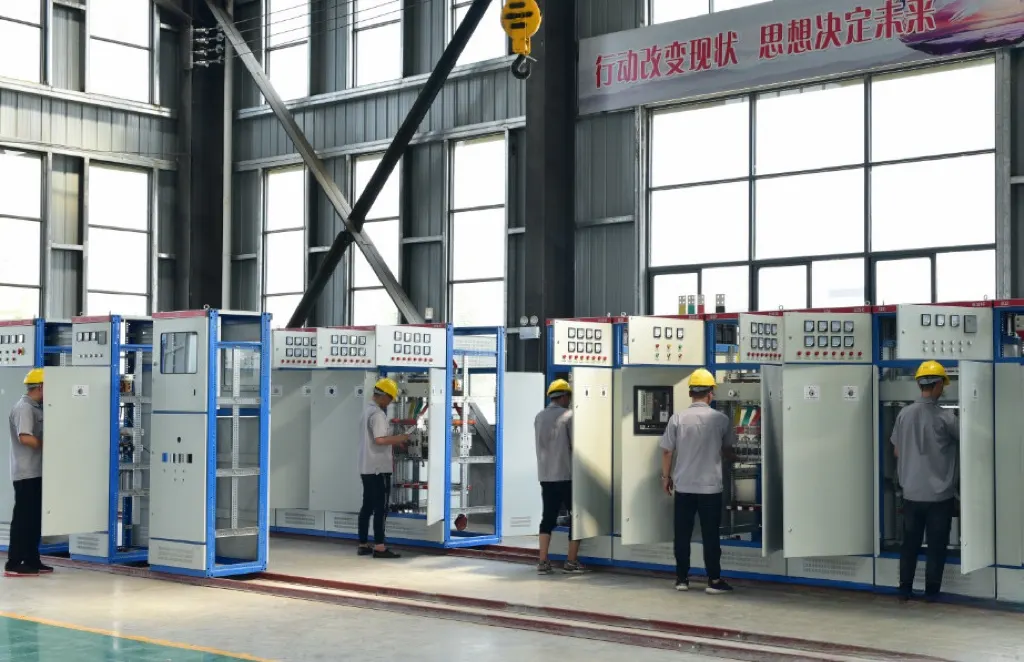
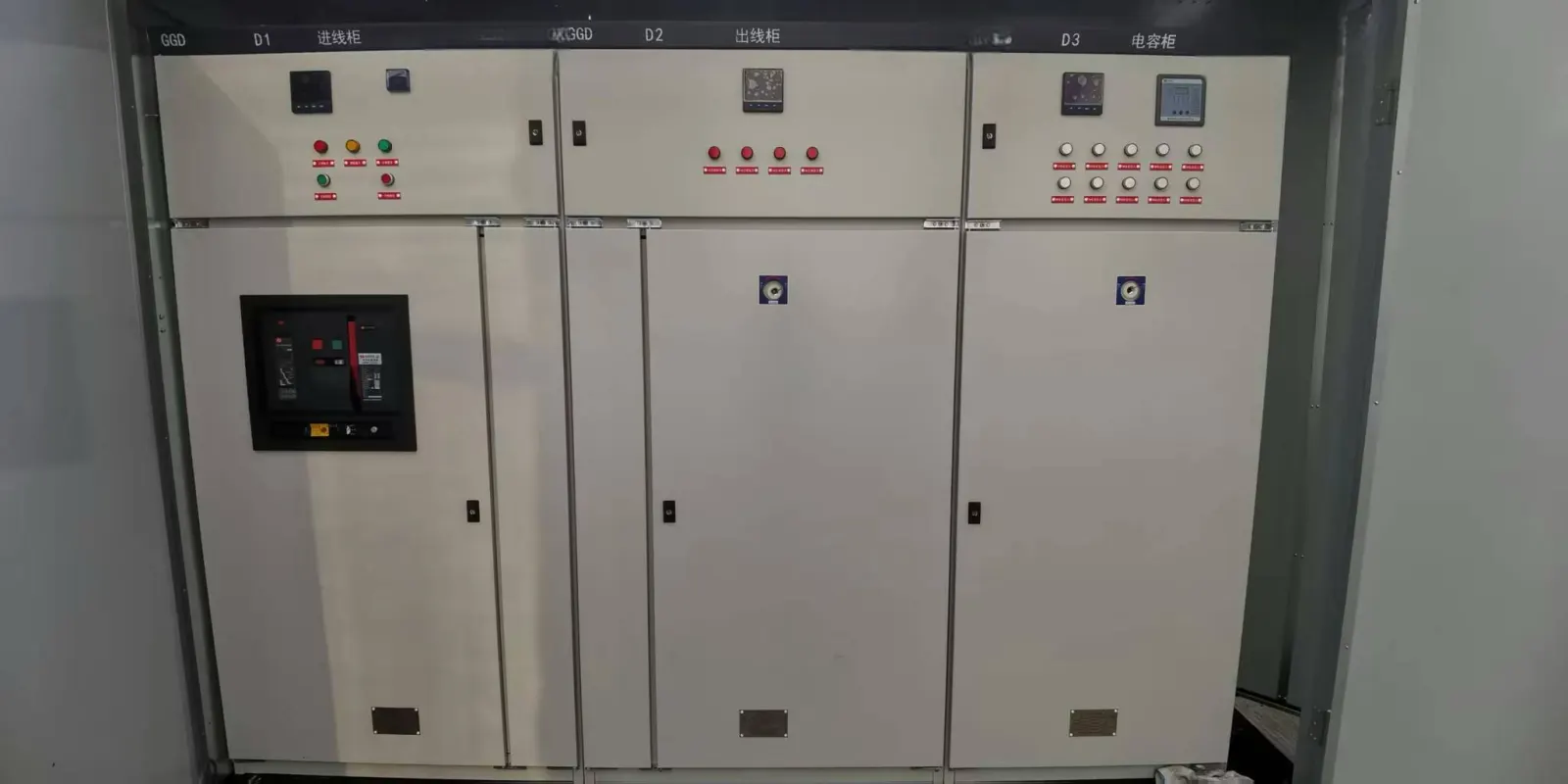
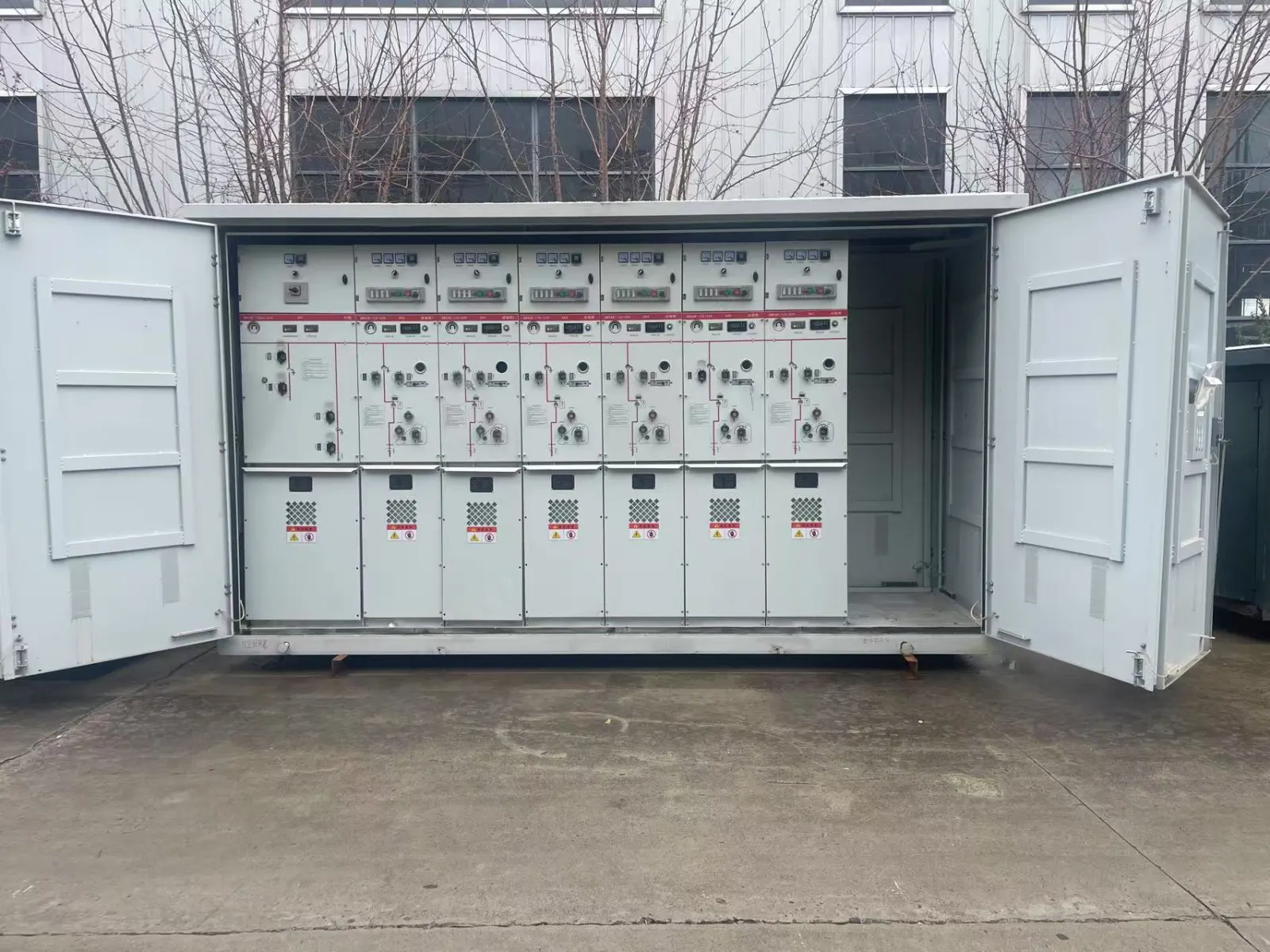
A buyer should request an actual compartment drawing, not rely on a photograph of the front doors. Ask where the main bus runs, where cables terminate, where instrument transformers are positioned and how the control compartment is separated. Clarify what happens when an access door is opened and which components must be made safe first.
Drawout breakers versus fixed switching devices
A drawout breaker uses a designated mechanism to move between the positions permitted by its design. Proper primary isolation, secondary connection and interlocking behavior depend on the exact assembly. A fixed interrupter switch or fixed circuit breaker may require a different maintenance and disconnection procedure. Neither configuration should be called safer in every application solely because it is fixed or withdrawable.
For example, a drawout unit may simplify removing a breaker for service, yet removing the breaker does not by itself make the bus and cable compartments safe to approach. The required interlocks, isolation arrangements and access procedure must be examined together.
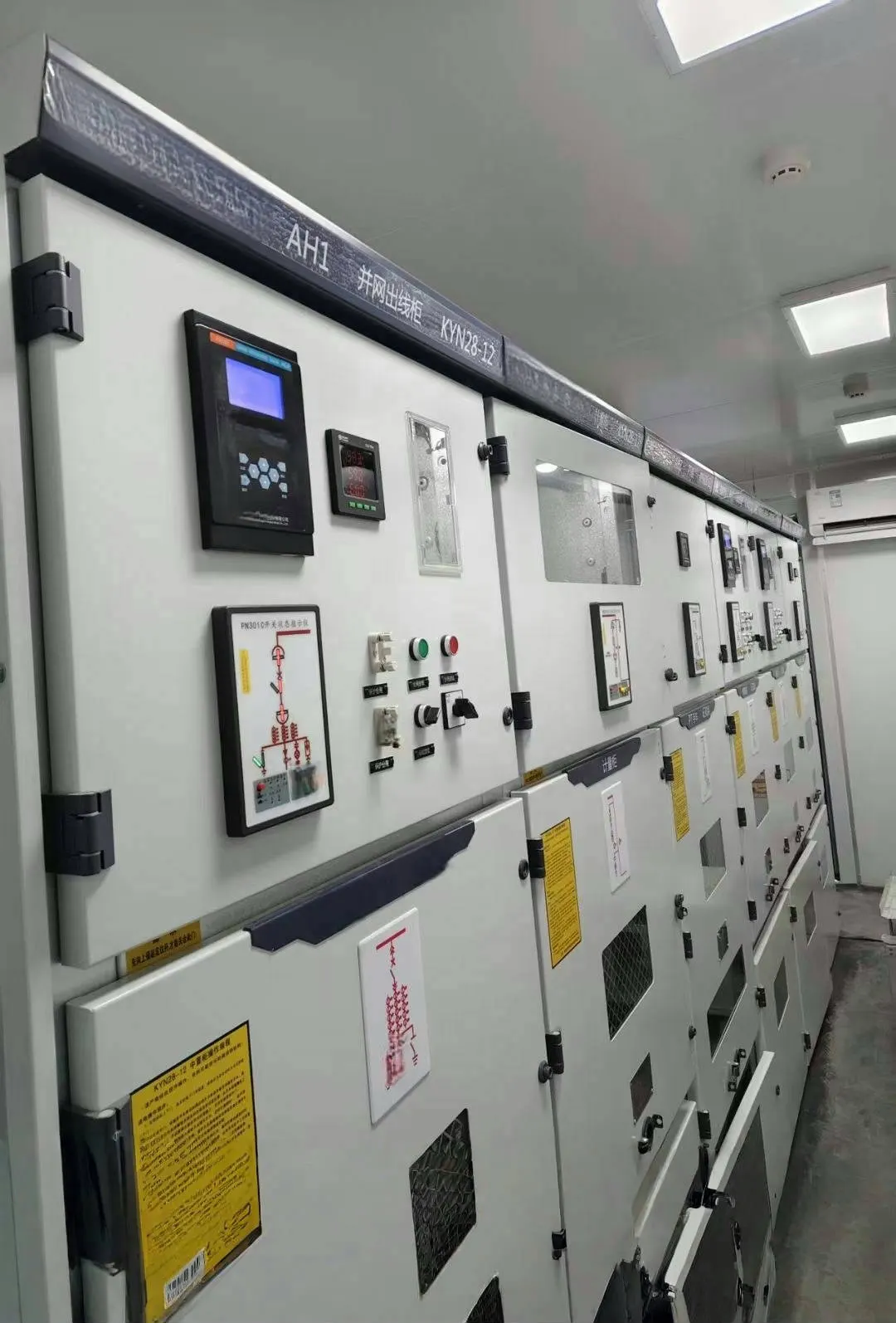
JSGK lists KYN, XGN and related cabinet families in its high-voltage switchgear range . These are useful product-family references when discussing layout requirements, but the KYN or XGN name alone does not establish that a particular JSGK configuration meets the full IEEE metal-clad specification.
IEEE and IEC Use Different Ways to Describe Switchgear
Cross-border purchasing often fails when an equipment name is treated as a direct translation of a technical standard. A US project may specify IEEE metal-clad switchgear, while an IEC-based project may request metal-enclosed switchgear with named service-continuity and internal-arc classifications. The terms overlap in ordinary language, but their verification requirements must be checked separately.
IEEE C37.20.2 and IEEE C37.20.3
IEEE C37.20.2-2025 covers metal-clad medium-voltage switchgear with drawout electrically operated circuit breakers and the associated defined compartmentalization. IEEE C37.20.3-2023 covers metal-enclosed interrupter switchgear rated above 1 kV AC up to and including 48.3 kV AC, encompassing interrupter switches, fuses, certain circuit-breaker configurations and related equipment as specified by that standard. The two standards are not interchangeable product certificates.
IEC 62271-200:2021 and Amendment 1:2024
IEC 62271-200 addresses prefabricated AC metal-enclosed switchgear and controlgear for rated voltages above 1 kV and up to and including 52 kV, for indoor or outdoor installation. It can encompass different compartment constructions and insulation arrangements. An IEC specification may also include loss of service continuity (LSC) and internal arc classification (IAC) requirements when applicable.
LSC concerns conditions associated with maintaining service continuity during access to defined compartments; it is not a blanket promise that all work can be performed energized. IAC refers to declared internal-arc performance under specified conditions, not simply the presence of a pressure-relief flap or a metal wall. Neither classification is a one-to-one translation of the IEEE term “metal-clad.”
| Reference | What the published scope addresses | Buyer question |
|---|---|---|
| IEEE C37.20.2-2025 | Metal-clad medium-voltage switchgear with drawout circuit breakers. | Does the specific offered assembly meet this construction and the project requirements? |
| IEEE C37.20.3-2023 | Metal-enclosed interrupter switchgear and its included device categories. | Which interrupter, fuse or breaker arrangement is actually proposed? |
| IEC 62271-200:2021 + AMD1:2024 | AC metal-enclosed switchgear above 1 kV to 52 kV. | Which IEC classifications, ratings and tests are specified for this assembly? |
The standard edition and any local adoption matter. An engineer should not accept a cross-standard equivalence claim without a documented clause-by-clause or requirement-based assessment by qualified parties.
Does Metal-Clad Always Mean Better Arc Protection?
No. Grounded compartment separation is an important construction feature, but it does not automatically establish resistance to every internal-arc event or a higher fault rating. Three often-confused properties should be evaluated separately.
- Short-circuit interrupting rating: whether the specified switching device can interrupt the relevant fault current under its rated conditions.
- Short-time withstand performance: whether the designated main circuit can withstand a specified fault current for a defined duration.
- Internal-arc performance: whether the assembly has been evaluated under the applicable classification, test conditions and accessibility arrangement.
A cabinet may have robust metal barriers yet lack a particular internal-arc test declaration. Conversely, an assembly whose main device is not an IEEE metal-clad drawout breaker may have documented protection features relevant to a project’s requirements. Compare the evidence instead of assuming a hierarchy of safety from names alone.
For any claimed internal-arc performance, review the declared classification, accessible sides, test configuration and applicable installation conditions. The actual cable connection, venting route and room layout can matter to how the installed switchgear is used. The manufacturer’s documentation and the project electrical safety plan remain essential.
Maintenance Access Can Change the Buying Decision
Service planning is not just a preference for front-access or rear-access doors. It starts with identifying which part must be inspected or replaced, whether the device is withdrawable and which adjacent circuits must be isolated for access.
A facility with frequent breaker inspection requirements may value a documented drawout mechanism and replaceable apparatus. A compact distribution node with a different switching function may be better served by a metal-enclosed interrupter arrangement that meets its actual operational needs. Neither decision can be made without the electrical scheme and approved maintenance instructions.
Ask for the cabinet arrangement, access-side requirements, breaker withdrawal clearance, cable-compartment accessibility and the exact interlocks supplied. These dimensions affect the electrical-room plan and should be checked before civil design is finalized. A front-access cabinet is not inherently maintenance-free, and accessible compartments are not automatically de-energized.
Where compact ring distribution is relevant, JSGK also lists ring main units and gas-insulated cabinets. Their switching duties and configured standards should be reviewed separately rather than presented as another name for metal-clad switchgear.
Which Construction Should a Project Specify?
Use the project’s electrical duties and mandatory standard as the starting point. If the contract explicitly requires IEEE C37.20.2 metal-clad switchgear, the offered assembly must be assessed against that requirement. If it specifies IEC 62271-200 equipment with particular LSC or IAC requirements, evaluate those named conditions rather than importing IEEE language as a substitute.
For a practical decision, identify the following in order:
- Standard and jurisdiction: the contract edition, any local adoption and required equipment category.
- Primary switching duty: breaker or switch-fuse arrangement; protection, isolation and operational sequence.
- Electrical ratings: rated voltage, continuous current, short-circuit and dielectric requirements appropriate to the system.
- Compartment and access requirements: isolation barriers, fixed/drawout arrangement, maintenance positions and authorized access.
- Protection and testing: relevant switching-device evidence, assembly type tests, and specified LSC/IAC or other classifications.
- Site interface: indoor/outdoor conditions, cable approach, clearances, ventilation and commissioning scope.
A technical bid should identify deviations openly. For example, a supplier may offer an IEC metal-enclosed cabinet where an IEEE metal-clad specification was requested. This is a technical alternative requiring approval, not an automatic equivalent merely because both contain metal barriers.
Review the Offered Assembly Before Approval
The most useful evidence is a consistent set of documents referring to the same assembly. The nameplate data, single-line diagram, cabinet arrangement and test records should identify compatible ratings and configuration details. A brochure for a related product family is not enough to prove conformity of a different supplied unit.
| Evidence | What to check | Why it matters |
|---|---|---|
| Equipment specification | Governing standard, edition, equipment type, rated voltage/current and fault duty. | Defines the contractual device and performance requirement. |
| General arrangement / sectional drawing | Bus, breaker, cable, instrument, barriers, access doors and clearances. | Shows the actual construction rather than a marketing category. |
| Single-line diagram | Incoming/outgoing circuits, protection functions, earthing and interlocks. | Confirms electrical duty and operating arrangement. |
| Test evidence | Tested model, standard, ratings, configuration, date and stated limitations. | Defines what the report actually demonstrates. |
| Installation and maintenance documentation | Access, withdrawal, isolation, environmental and room requirements. | Supports safe implementation and future service planning. |
JSGK’s switchgear pages identify high-voltage cabinet families used for receiving, distribution, protection and metering, with final configurations reviewed against project drawings and specifications. For a specific project, send JSGK the required standard, single-line diagram, ratings and access requirements and request documentation for the precise offered cabinet. The essential distinction is not “metal-clad versus metal-enclosed” as a slogan; it is whether the verified assembly matches the required standard, electrical duty and maintenance approach.