RMU vs Full Switchgear, and Box Substation vs Built Room: A Practical Trade‑Off
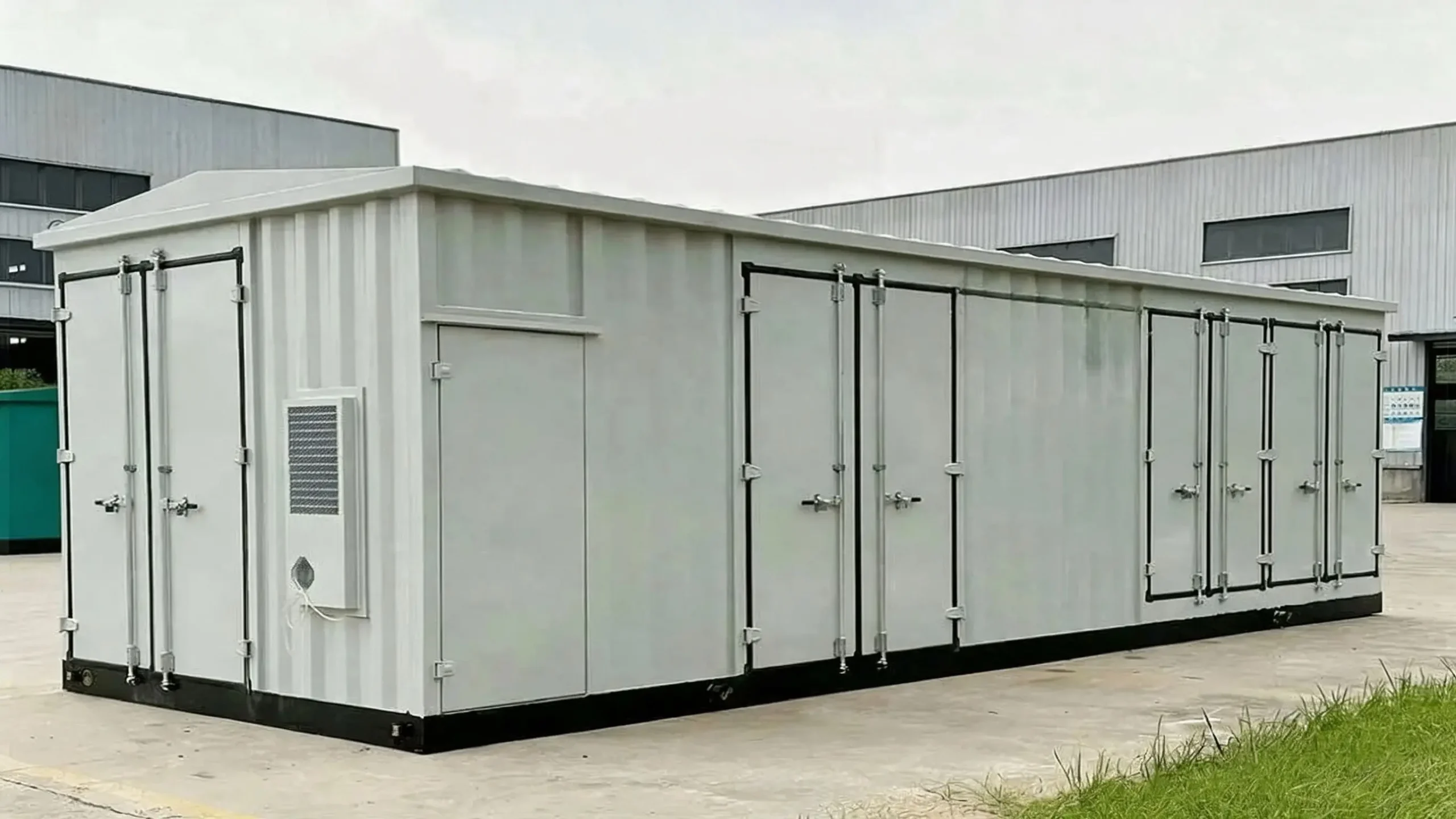
Two questions come up in almost every first call. The first is whether the medium‑voltage point needs a ring main unit or a full switchgear line‑up. The second is whether the whole node should arrive as a box, come as a prefabricated cabin, or be built as a brick distribution room on site. The two questions are linked. Answer the first and the second usually narrows itself.
This article lays out the trade‑offs in plain terms: footprint, what drives cost, how fast each option commissions, and the conditions where one wins. We build all of it, so there is no preferred answer except the one your site needs.
Ring main unit versus full switchgear
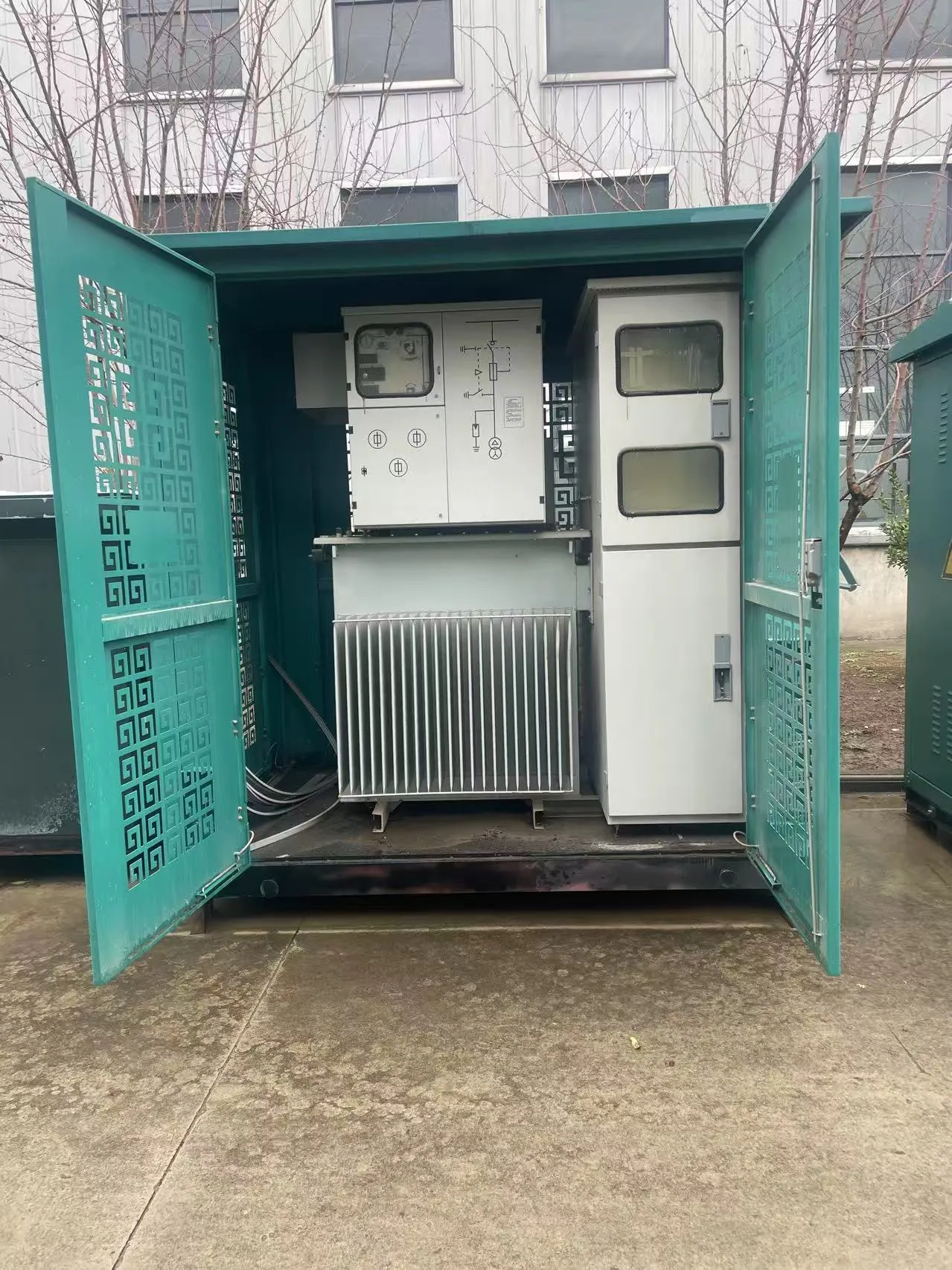
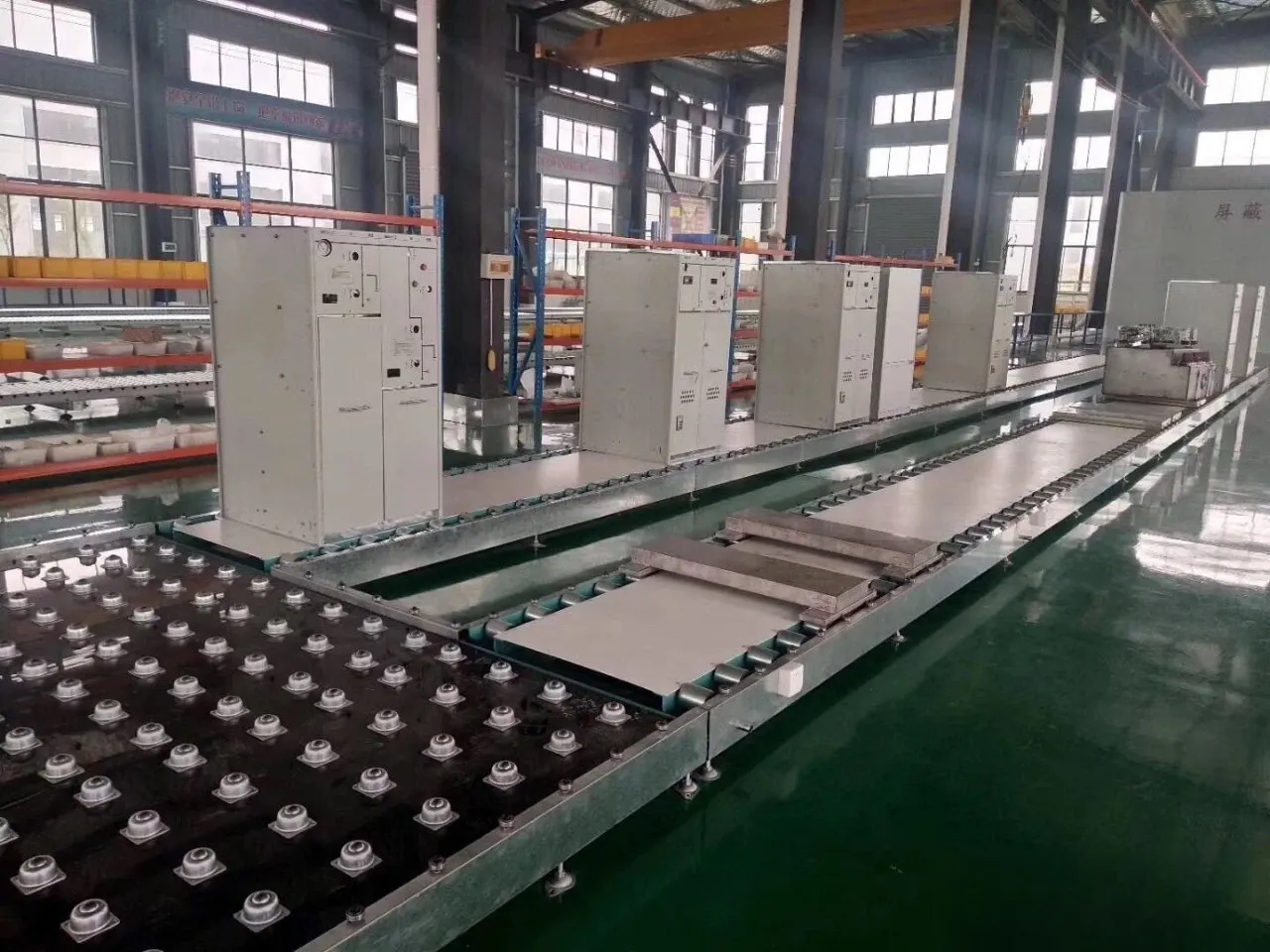
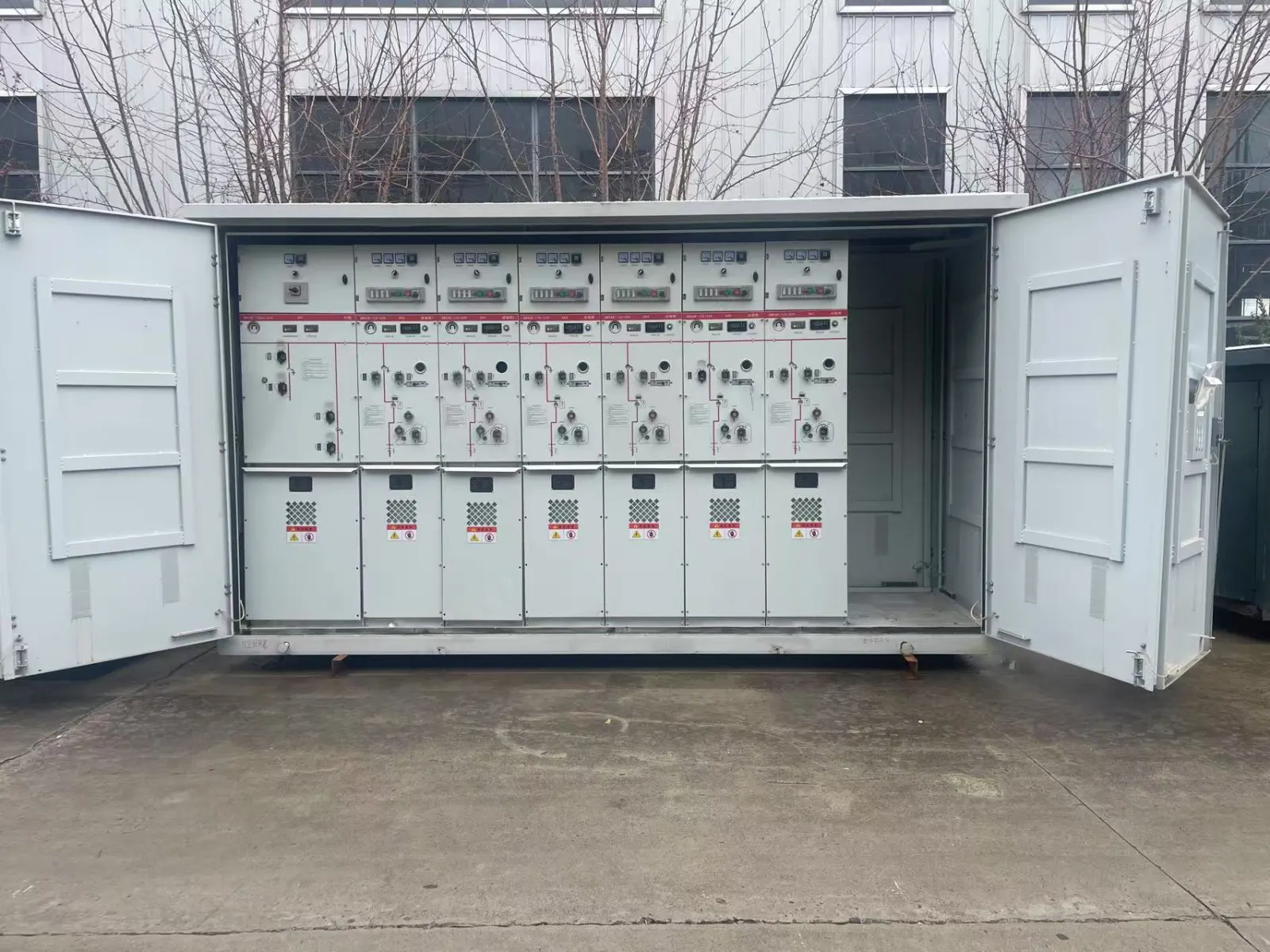
A ring main unit is a compact distribution cabinet built for cable outlet schemes and ring‑network nodes. JSGK supplies them in gas‑insulated (GIS) arrangements with load switching. They are small, sealed and meant for a limited number of cable circuits where protection is modest and space is tight. Think a housing estate feeder, a utility loop, a compact campus node.
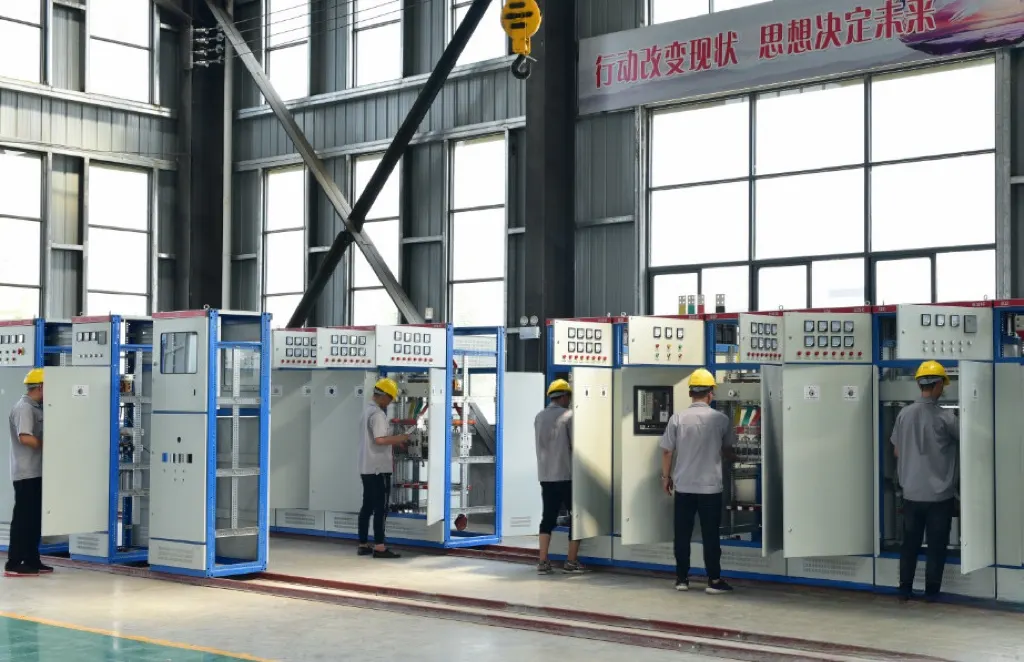
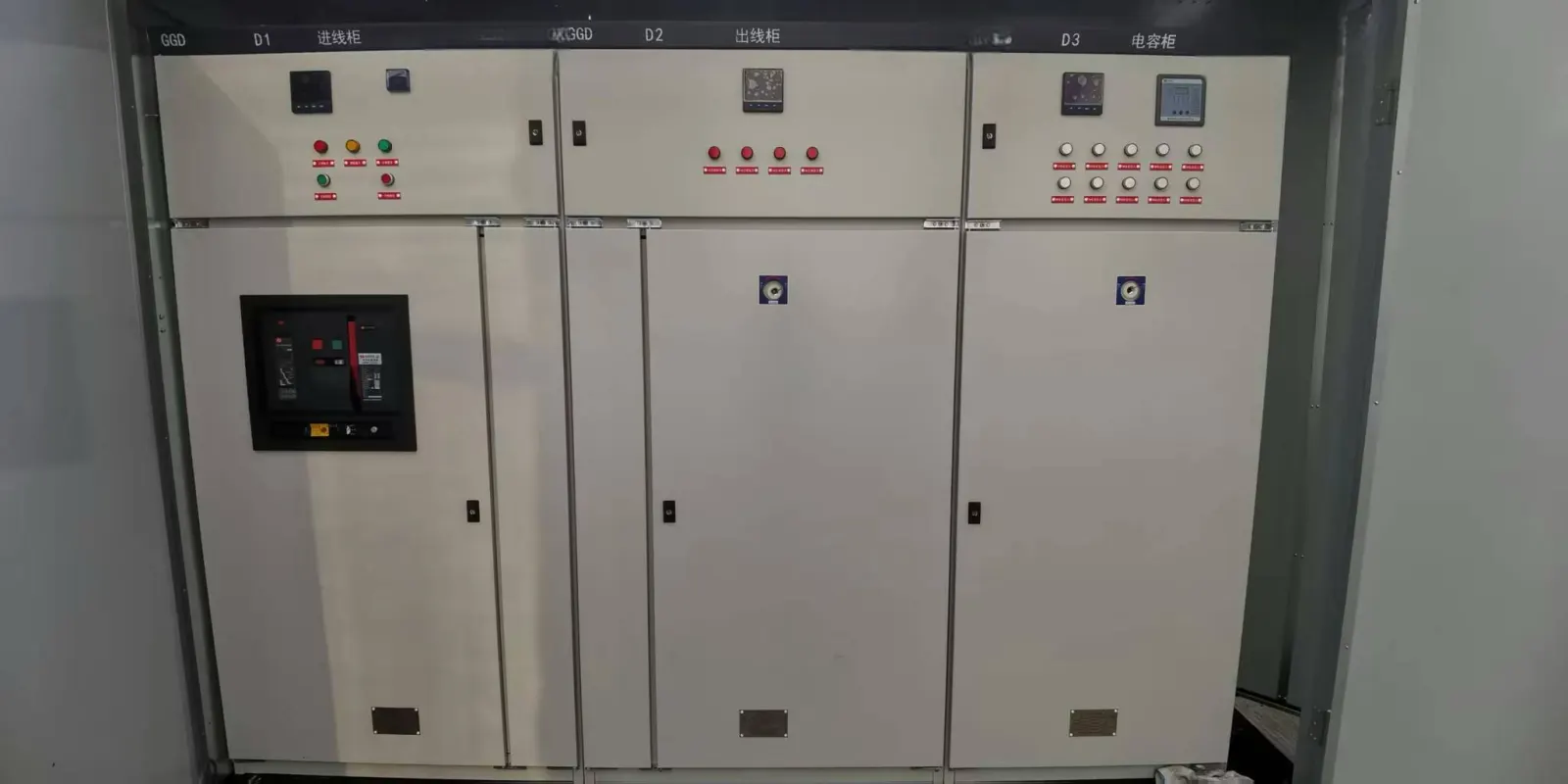
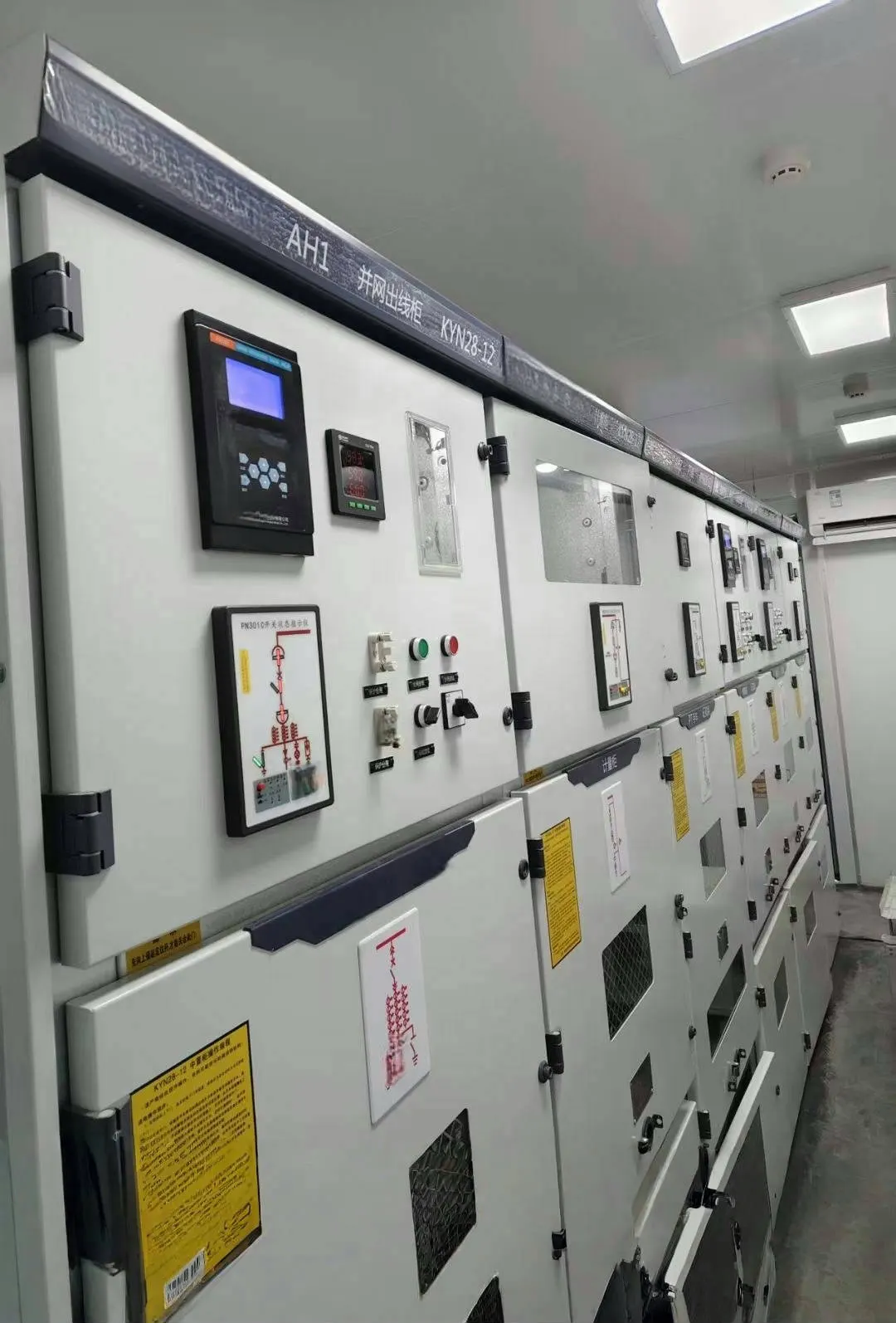
A full high‑voltage switchgear line‑up is a different animal. It is the KYN, XGN and related metal‑enclosed cabinet row for incoming, outgoing, protection and metering schemes. It carries more circuits, more protection relays, a real busbar, and dedicated incoming and metering positions. It needs a room, a front‑access aisle and maintenance clearance.
Pick the ring main unit when the duty is simple: a ring node, a few cable outlets, no need for a full protection and metering suite. Pick the full switchgear when the room feeds transformers, motors or a plant, when protection grading matters, and when the number of outgoing circuits grows.
The trade‑off in one line: the RMU buys you compactness and speed, the switchgear buys you circuit count and protection depth.
Box substation versus a built on‑site distribution room
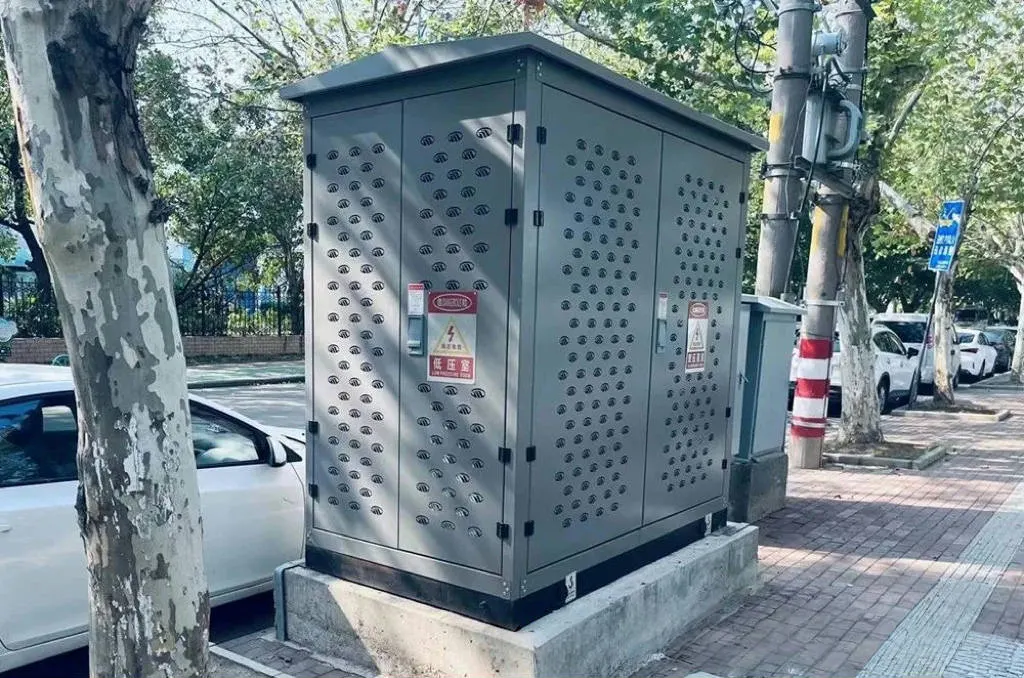
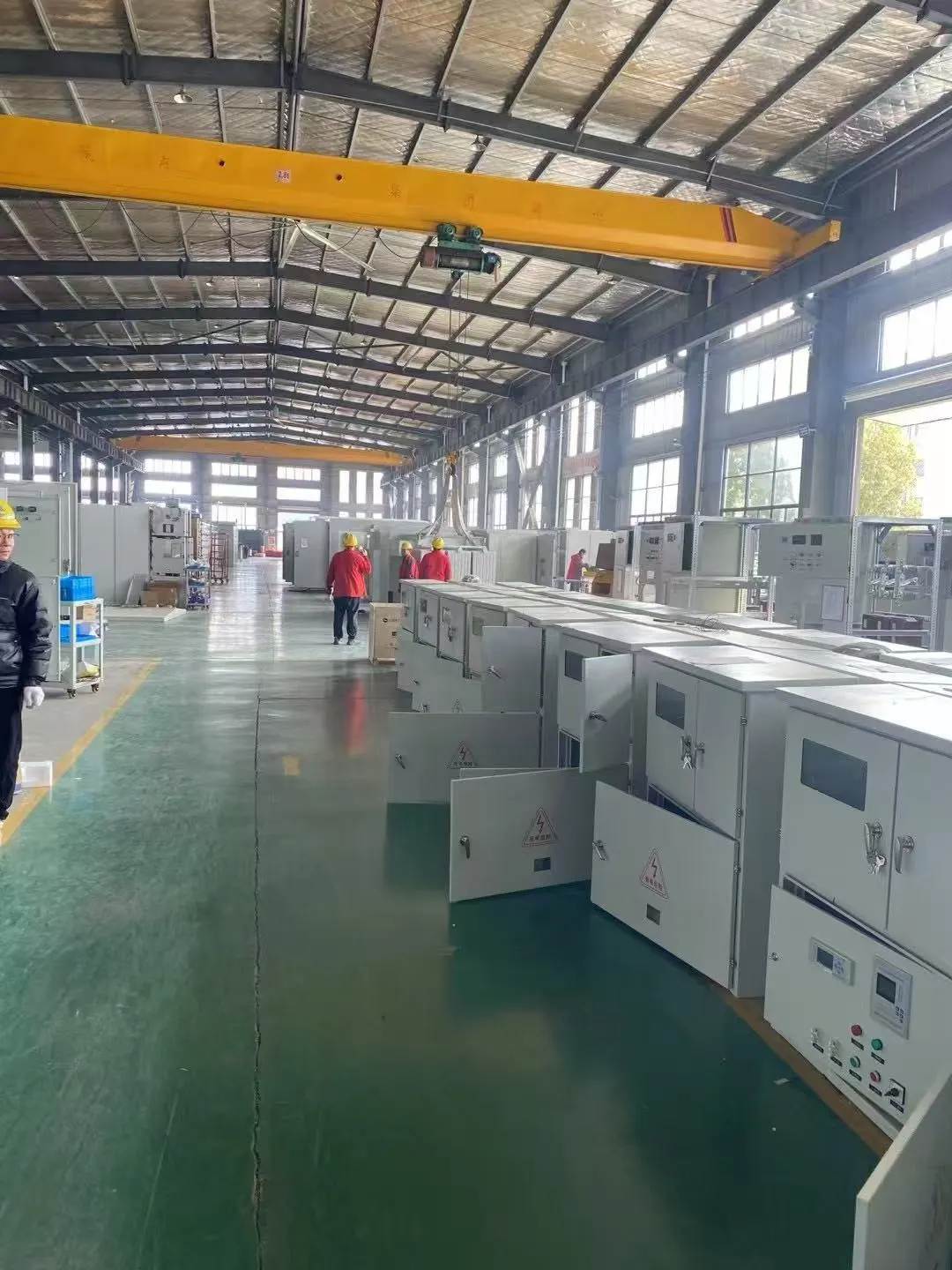
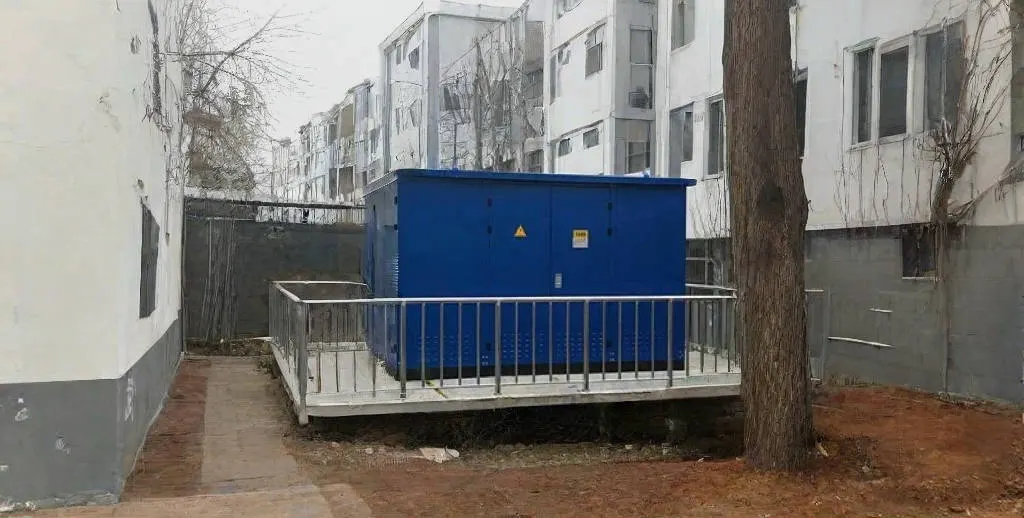
Now the second question. A box‑type substation integrates the transformer, the high‑voltage cabinet, the low‑voltage cabinet, the enclosure and the auxiliary systems into one outdoor unit. It arrives on a truck, sits on a small foundation, and is cabled up on site.
A built on‑site distribution room is the traditional route: a concrete or brick room erected at the project, then fitted out with cabinets, busbars, ventilation and fire protection by site trades.
The box‑type substation wins on footprint and commissioning speed. It occupies a small pad, needs little civil work, and is factory‑tested before it leaves, so commissioning is mostly cabling and energisation. It is the default for outdoor distribution nodes, new‑energy sites and projects on a clock.
The built room wins on flexibility and permanence. If you expect the load to grow in unknown directions, if the site has plenty of land, or if the utility requires a fixed permanent room, the on‑site build can be expanded and rearranged. Its cost is driven by civil works, wet trades and the skilled labour that has to happen in the open air, weather permitting. Its commissioning is slower because the building, then the installation, happen in sequence.
The commissioning gap is where buyers feel the choice most. A box substation or cabin is factory‑tested before it ships, so the site task is foundation, placement, cable termination and energisation. A built room carries the testing burden on site, after the walls are up and the cabinets are installed, which adds weeks and exposes the schedule to weather and to subcontractor availability. On a project with a fixed energisation date, that gap alone often decides the choice.
The middle option: the prefabricated electrical cabin
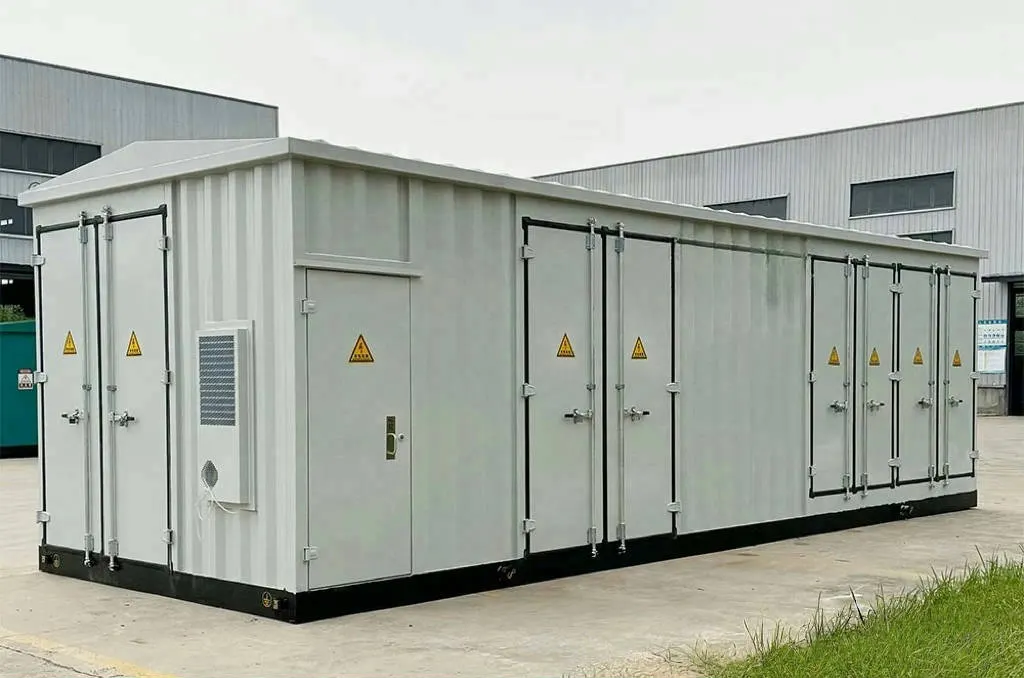
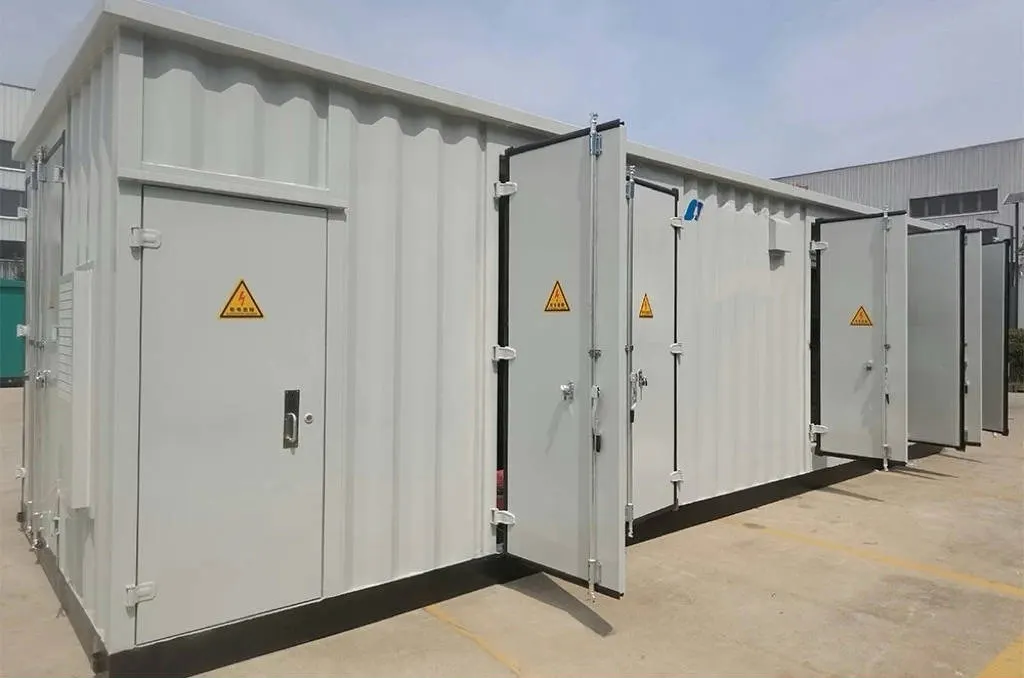
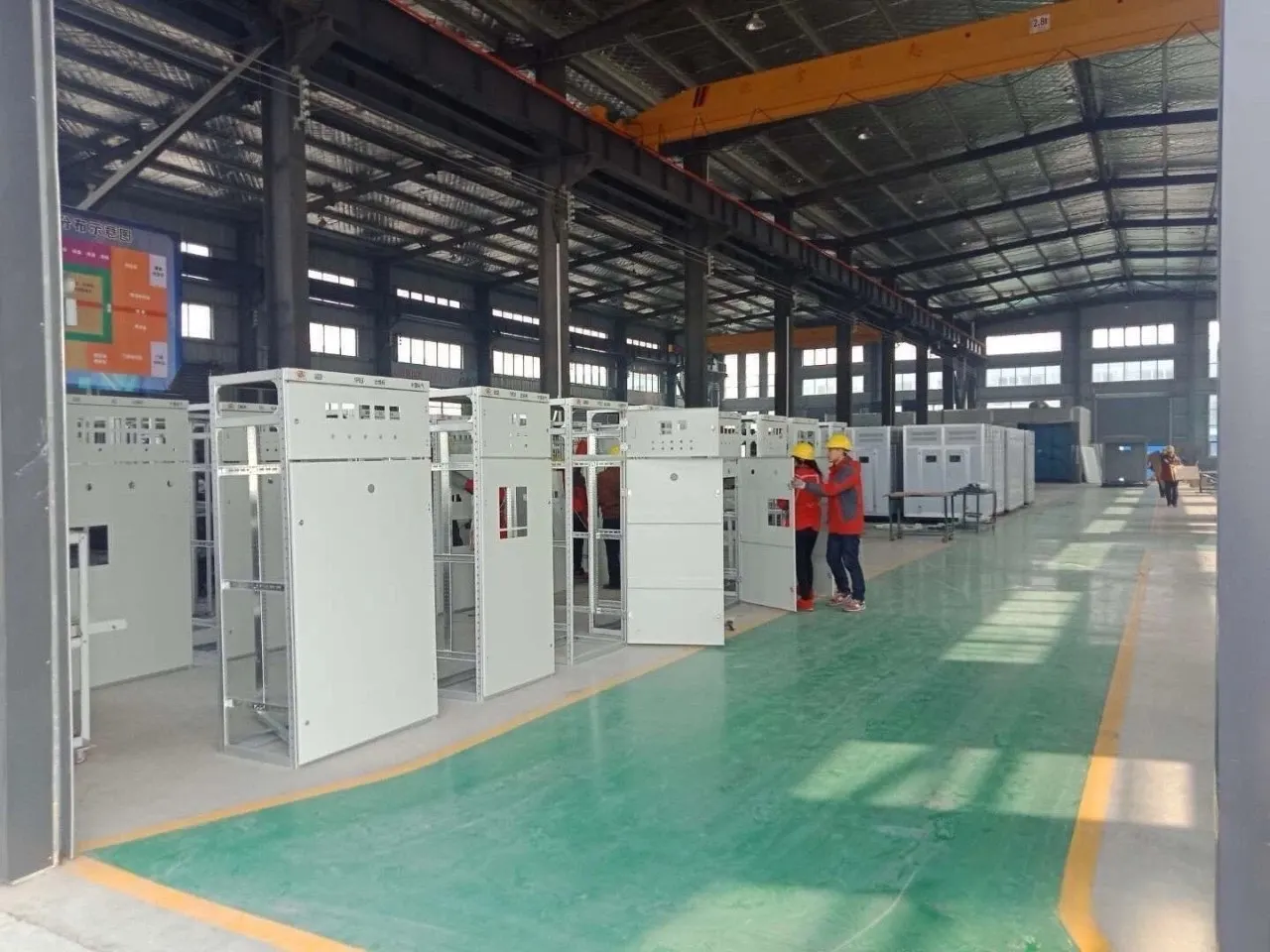
There is a third path buyers overlook. A prefabricated electrical cabin is a factory‑built electrical room for switchgear, protection panels and auxiliary systems. It is bigger than a box substation but delivered the same way: built, wired, tested and packed at our plant, then shipped as a relocatable module.
The cabin sits between the two extremes. It gives you the room‑like layout and front‑access of a built distribution room, but with the fast erection and minimal site‑side work of a factory product. Units arrive highly factory‑prepared; on site they bolt together and connect, with far less skilled trade work. They are built to be relocatable and reusable, which matters when a project runs for years and then demobilises.
Choose the box substation for a compact, outdoor, transformer‑plus‑switchgear node. Choose the prefabricated cabin when you need a real switchgear room but cannot wait for a brick build. Choose the on‑site room only when the layout is genuinely fixed, land is cheap and the schedule allows wet civil work.
Cost drivers to weigh early
Cost does not live in the cabinet price alone. With a box substation or cabin, you are paying for factory preparation, export packing and a compact footprint, and saving on civil works and site labour. With a built room, you trade a smaller equipment bill for concrete, roofing, ventilation, fire works and a long construction window. Freight also matters: the box substation and cabin pack tightly for export, which lowers the delivered cost per node on a remote or overseas site.
When each option wins
- RMU: ring‑network nodes, compact cable outlets, limited protection duty.
- Full switchgear: plants, substations, many outgoing feeders, protection grading required.
- Box‑type substation: outdoor distribution nodes, new‑energy sites, fast energisation.
- Prefabricated cabin: a switchgear room needed quickly, or a site that must later relocate.
- Built on‑site room: permanent fixed layout, ample land, no schedule pressure.
Send us the node type, the transformer capacity, the number of outgoing circuits and the site environment. We will show which option fits the footprint, the clock and the budget, and quote it factory‑direct.