How to Specify Electrical Switchgear and Substations for an Accurate RFQ
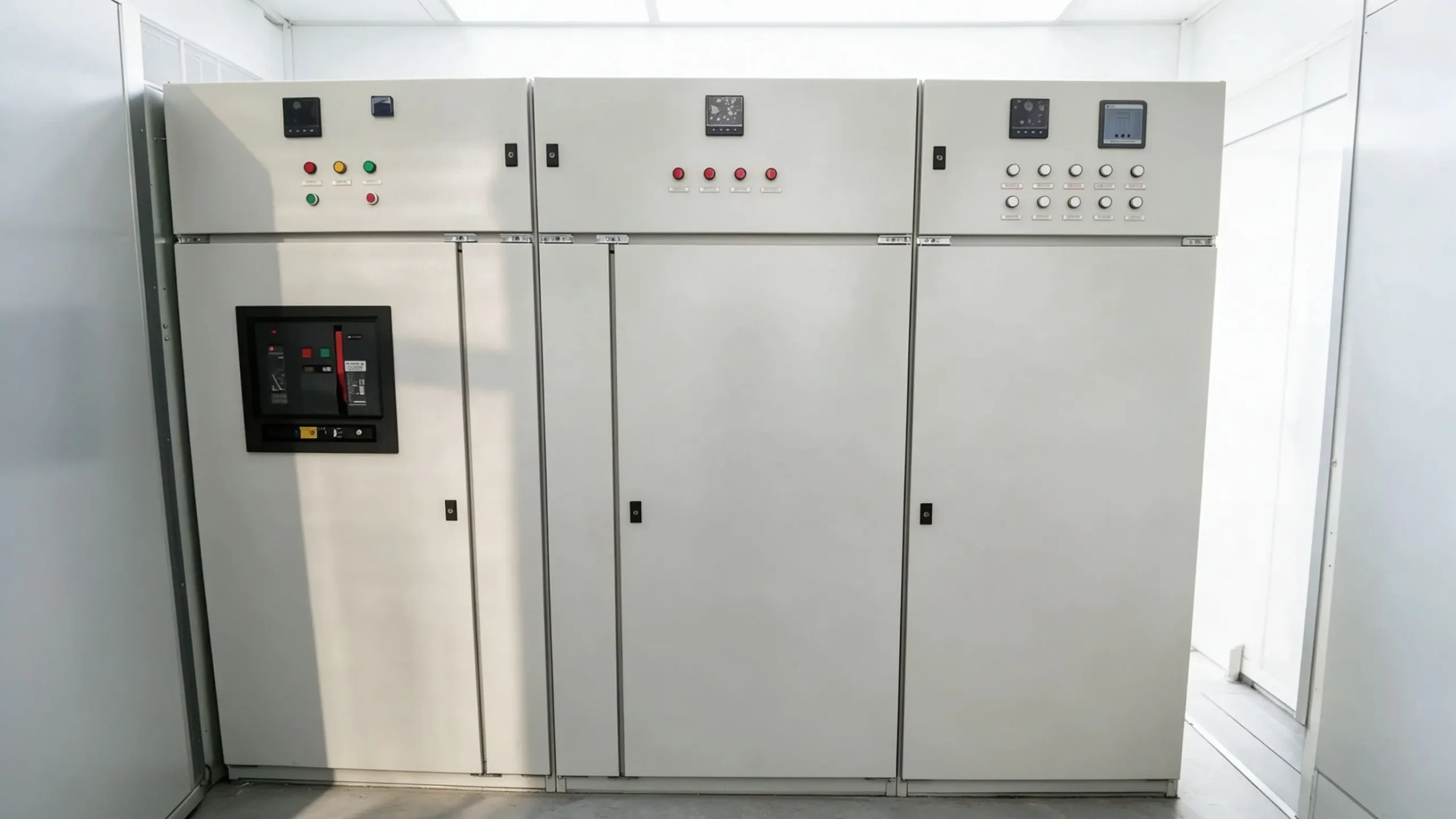
A quote comes back two ways. The good version prices the exact equipment you need, in the finish and footprint your site allows, with a delivery plan you can book against. The bad version prices a guess, because your inquiry was short on the one thing that makes a quote accurate: information.
At JSGK, a factory‑direct quote only becomes accurate once a small set of inputs is on the table. Typical quotation inputs are the voltage level, rated current, short‑circuit level, transformer capacity, circuit quantity, site environment, drawings and required documents. Miss any one of them and the price drifts. This guide walks through each input, what it actually controls, and what we need from you to close the gap.
The eight inputs that decide the price
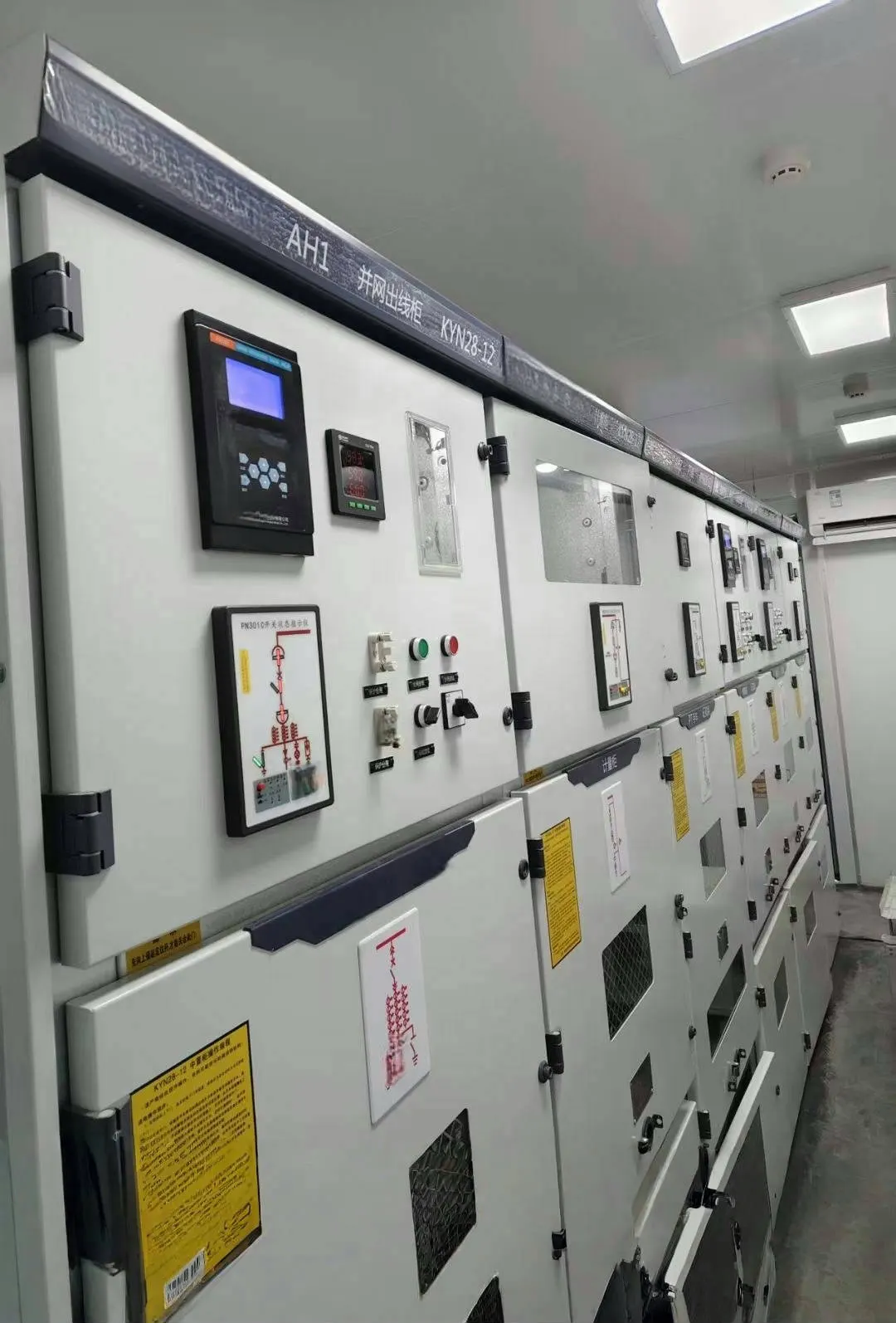
- Voltage level. This sets the equipment family. Our line covers 10 kV and 35 kV classes on the medium‑voltage side, plus low‑voltage distribution. Naming 10 kV versus 35 kV changes the cubicle size, insulation and the whole layout.
- Rated current. This is the continuous current the main busbar and the incoming panel must carry. Under‑state it and the busbar runs hot. Over‑state it and you pay for steel you will never load.
- Short‑circuit level. This is the fault current the breakers and busbars must withstand and break. It is the rating that protects people in the room, and it cannot be estimated loosely.
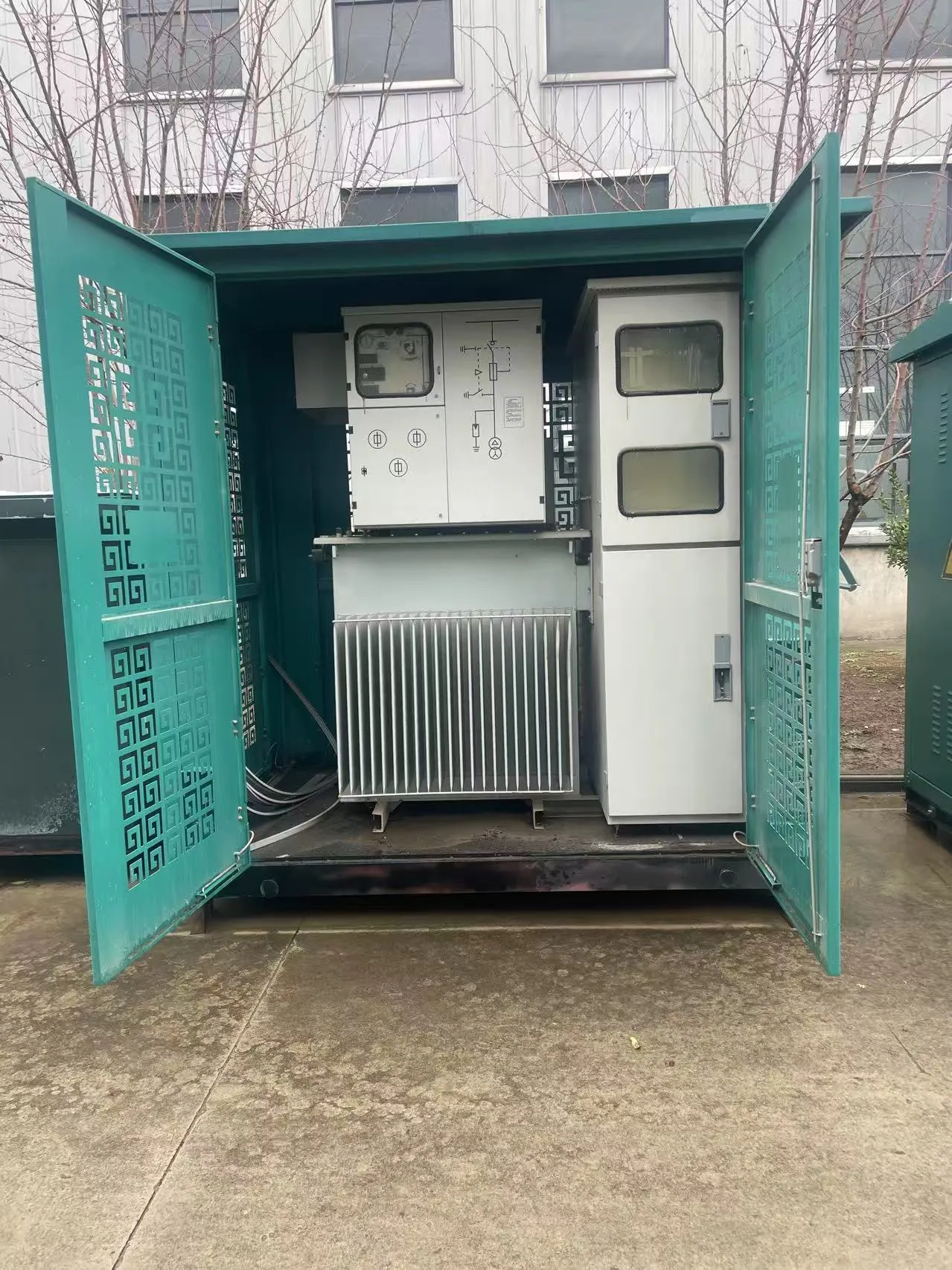
- Transformer capacity. For a box‑type substation or a transformer‑fed line, the transformer capacity sizes the whole node. Tell us the kVA and the voltage ratio and the cabinet duty follows.
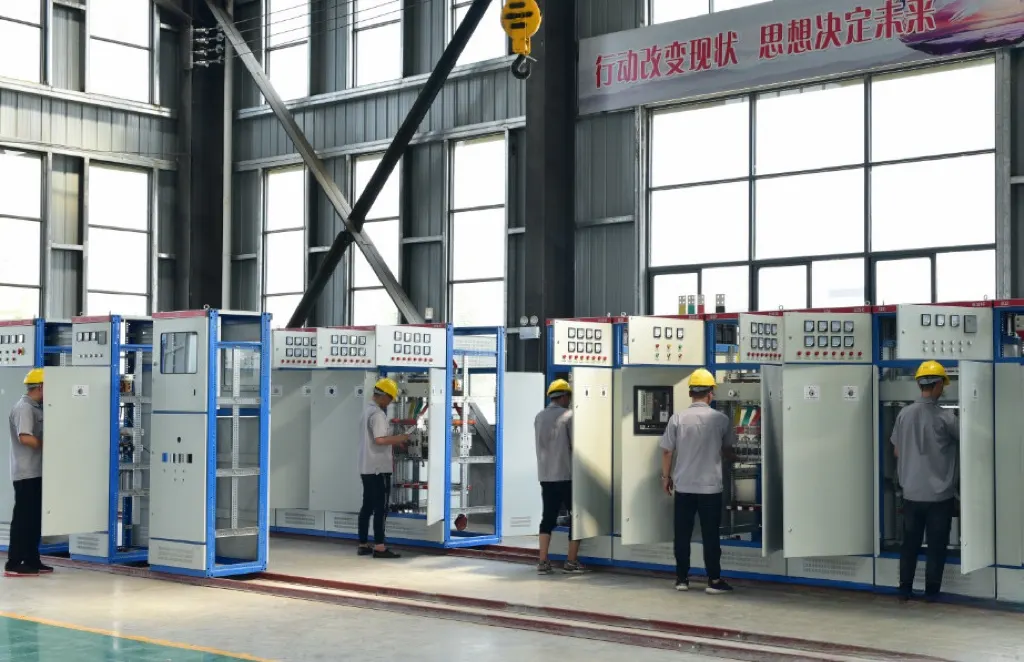
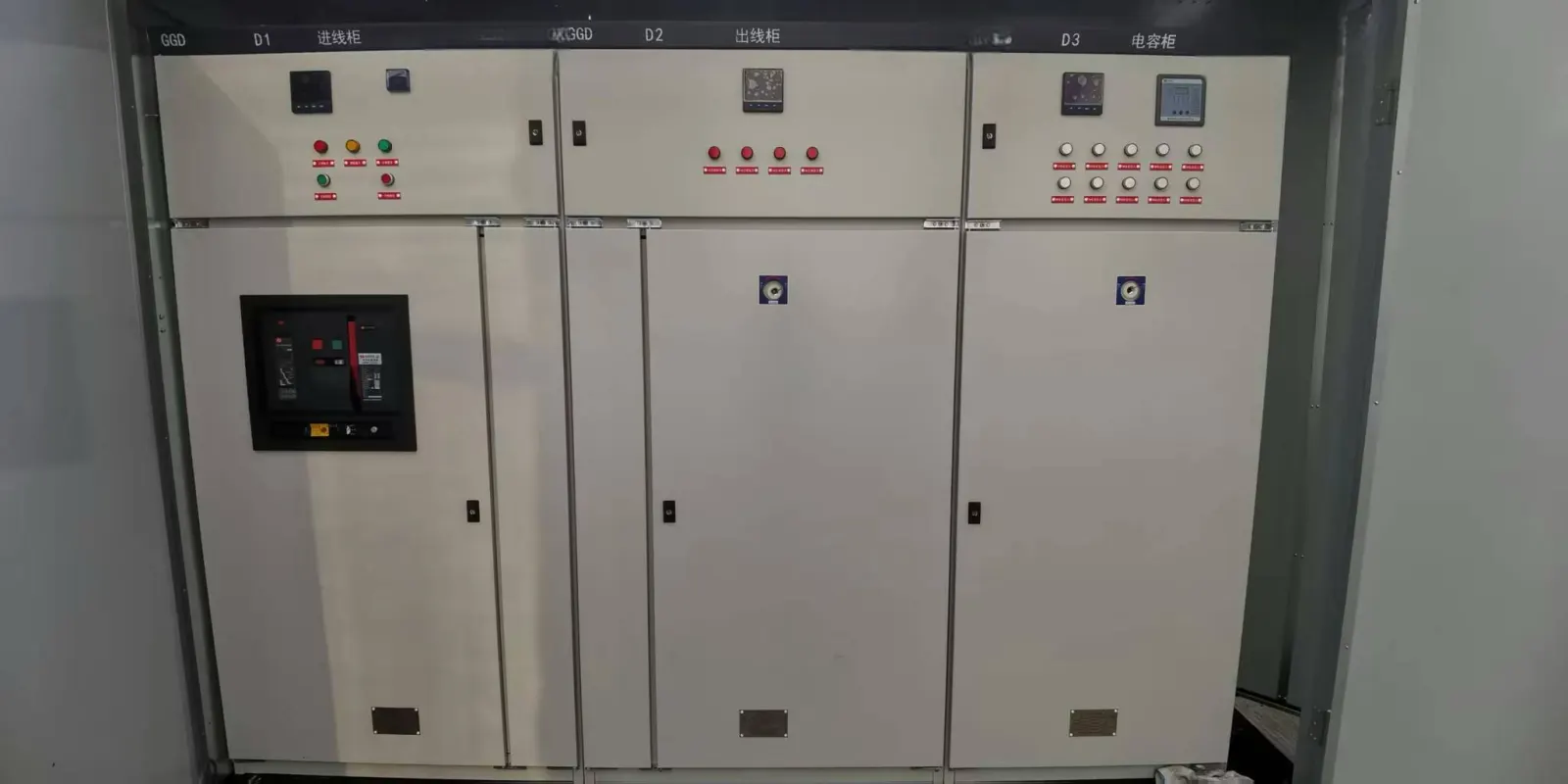
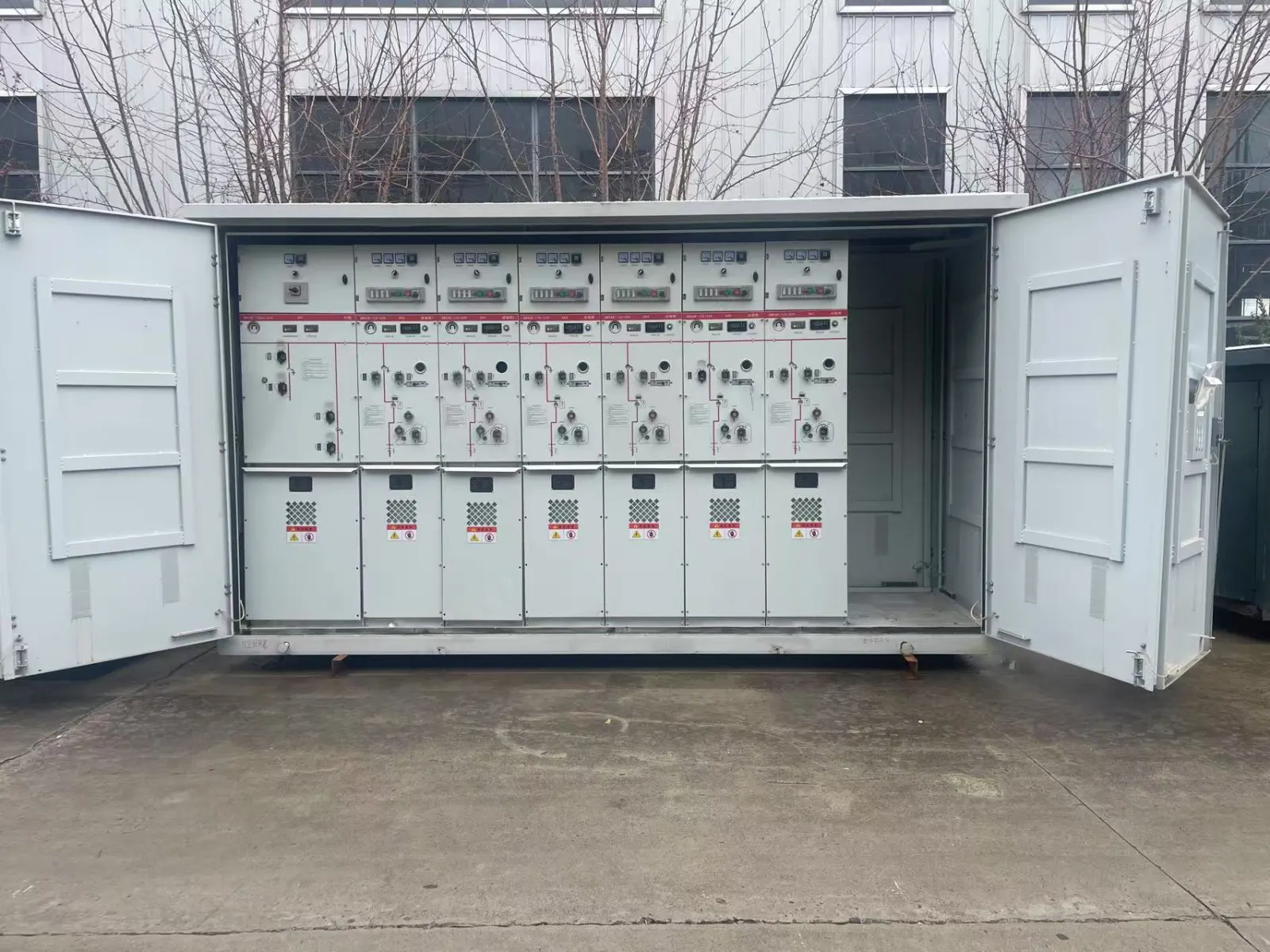
- Circuit quantity. Count the outgoing feeders. Each feeder is a cubicle or a panel; the number decides the length of the row and the width of the room.
- Site environment. Indoor or outdoor, clean or corrosive, hot or dusty. This drives the enclosure and the cooling, covered below.
- Drawings. Single‑line diagrams and cabinet arrangement drawings are the fastest path to an exact price. If you do not have them yet, a use case and a rough size start the conversation.
- Required documents. Say which market you ship to and which reports or certificates the approval needs. We prepare a documentation package matched to the destination.
Why site environment is half the spec
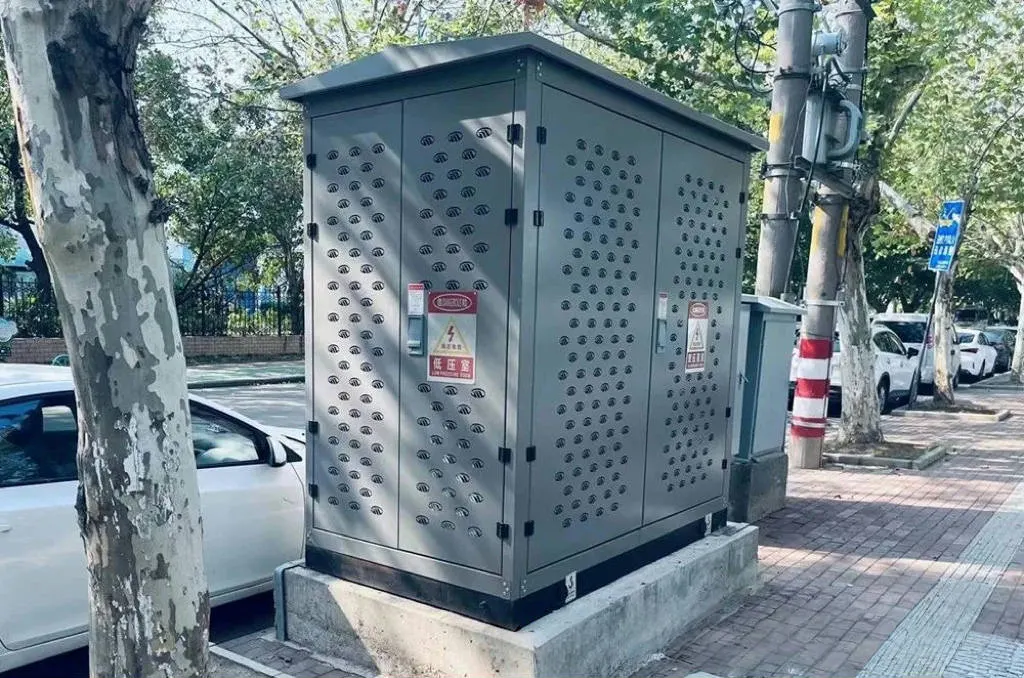
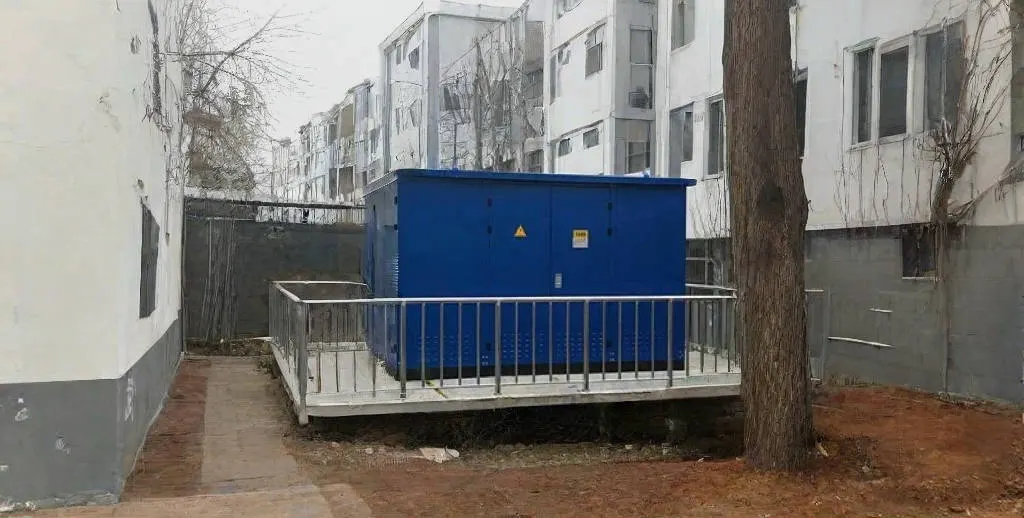
Electrical parameters get all the attention. The site environment is where export orders fail. For outdoor or site‑side equipment, we ask buyers to clarify six things during the RFQ stage, before production:
- IP protection. How sealed does the enclosure need to be against dust and water? Outdoors and coastal sites demand more than an air‑conditioned indoor room.
- Corrosion environment. A coastal substation breathes salt air. An industrial site may breathe chemicals. Coating and enclosure material are chosen against that, not against a generic spec.
- Ventilation and heat. Transformers and cubicles generate heat. We size ventilation or cooling so internal temperatures stay inside the design window in the local climate.
- Foundation. Does the unit sit on a concrete plinth, a steel skid or a slab? The foundation detail fixes cable entry and lifting.
- Cable entry. Cables enter from the bottom, the side or the top depending on your civil design. Get it wrong and the unit arrives with no way to land the cables.
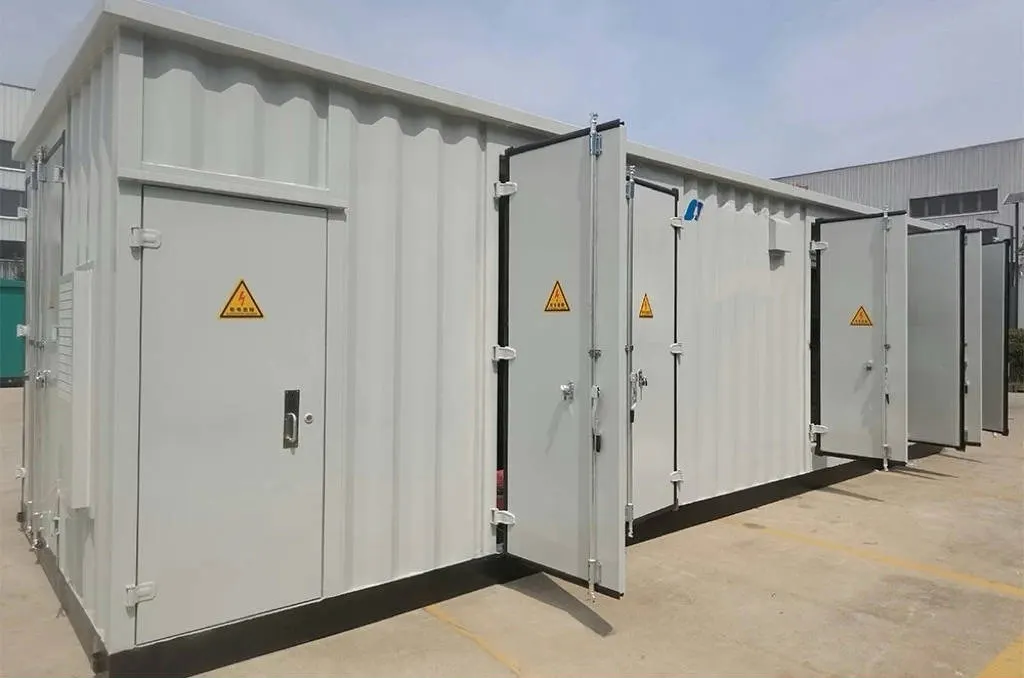
- Maintenance access. Operators need room in front to withdraw breakers and behind to reach the secondary wiring. Clearance is part of the arrangement drawing, not an afterthought.
Each missing input costs you in a different way. Leave out the short‑circuit level and the breaker rating is a guess, which is the one rating you cannot afford to guess on. Leave out the circuit quantity and the row length is wrong, so the cabinet arrangement drawing will not fit your room. Leave out the destination country and the documentation package is generic, which means a second round of paperwork before customs release. The eight inputs are not a formality. They are the difference between a quote you can order from and a quote you have to renegotiate.
The drawings that make a quote exact
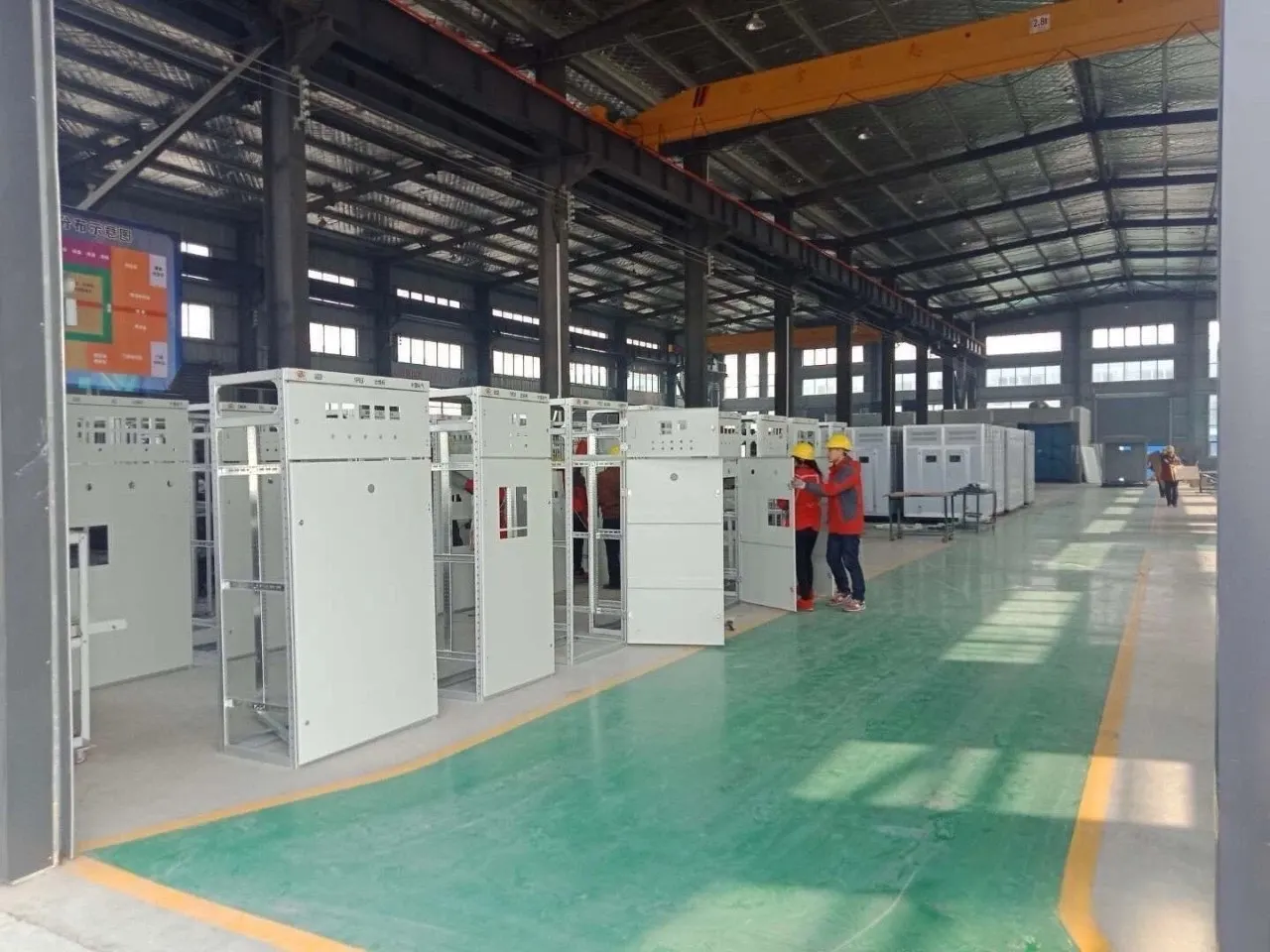
A single‑line diagram tells us the circuit topology: how many incomers, how many outgoers, where the bus section sits, which feeders are protected. A cabinet arrangement drawing tells us the physical footprint and the access. Technical datasheets lock the components. When these are in hand, the final configuration is confirmed from approved datasheets, single‑line diagrams, cabinet arrangement drawings and project standards before production.
If you are early and have none of these yet, send the use, the site and a rough size. We will work the scheme back with you, because an engineered quote is more useful than a fast one.
Documents and freight, asked up front
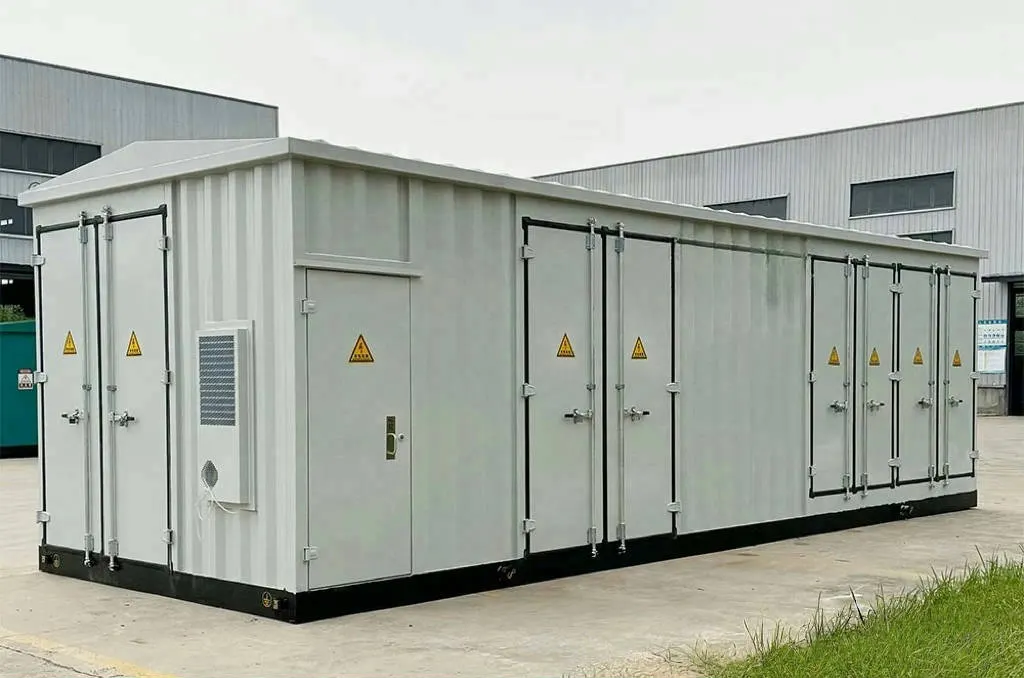
Tell us the destination country. We ship on FOB, CIF and DAP terms and prepare export documents against the delivery plan. The loading matters, too. As a rough reference, our RFQ loading worksheet treats a 10 kV standard line as about 33 m³, a 35 kV standard line as about 67 m³, and a 35 kV high‑cube arrangement as about 76 m³. These are planning estimates; the exact loading count is confirmed by the factory against the final cabinet list.
Inspection records and test records are prepared with the order. We can also prepare structural load, fire resistance and coating thickness reports to the relevant test protocol for your market, on request, and put original documents in front of your nominated third‑party inspector.
Send us the short version
You do not need a perfect packet. Send the product family, the electrical parameters above, the quantity, the project location and the delivery schedule. The sales and engineering team will come back with a focused quotation, a cabinet layout and a delivery plan you can book against. If you are unsure which voltage class or circuit count your project needs, that is exactly what the first engineering review is for. We will push back with questions before we price, because a wrong number in the quote costs both of us more than one extra exchange of messages now.