Compact Substation Type Tests: What IEC 62271-202 Reports Should Show
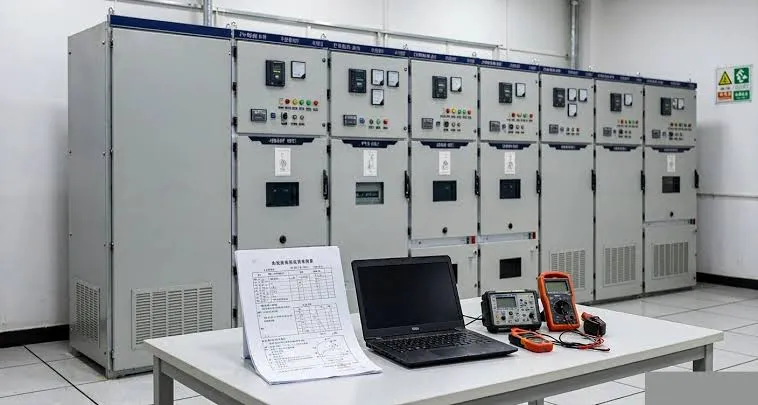
A compact substation type test is evidence that a defined prefabricated substation design was evaluated against specified requirements. Under IEC 62271-202:2022, the central purchasing question is not whether a supplier can show a document bearing the standard number. It is whether the tested assembly, ratings, enclosure, equipment arrangement and test conditions are relevant to the substation proposed for the project.
A certificate or test report for a transformer, a high-voltage cabinet or a low-voltage board may support part of the technical file. It does not automatically demonstrate the behavior of those components after they are combined within one enclosure. Engineers reviewing compact substation type-test evidence should therefore compare the complete tested configuration with the order drawings, determine what each test establishes and identify any changes requiring further justification.
What Is a Compact Substation Type Test?
Type testing verifies specified characteristics of a design or representative assembly under defined conditions. It differs from checking whether each delivered production unit is assembled and functioning as required. A type test answers whether the tested construction met particular requirements within the method’s scope; it does not guarantee future field performance under all operating conditions.
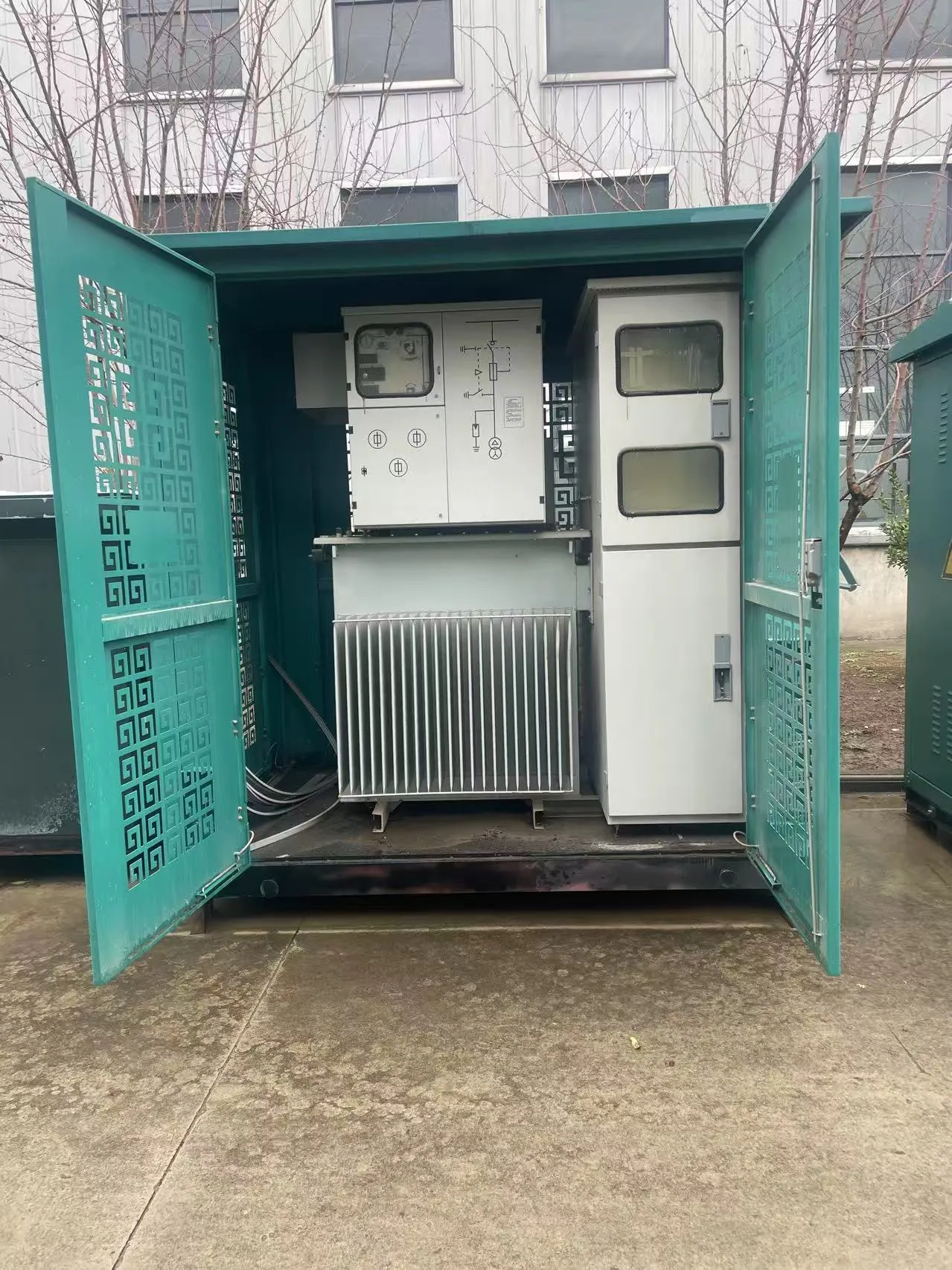
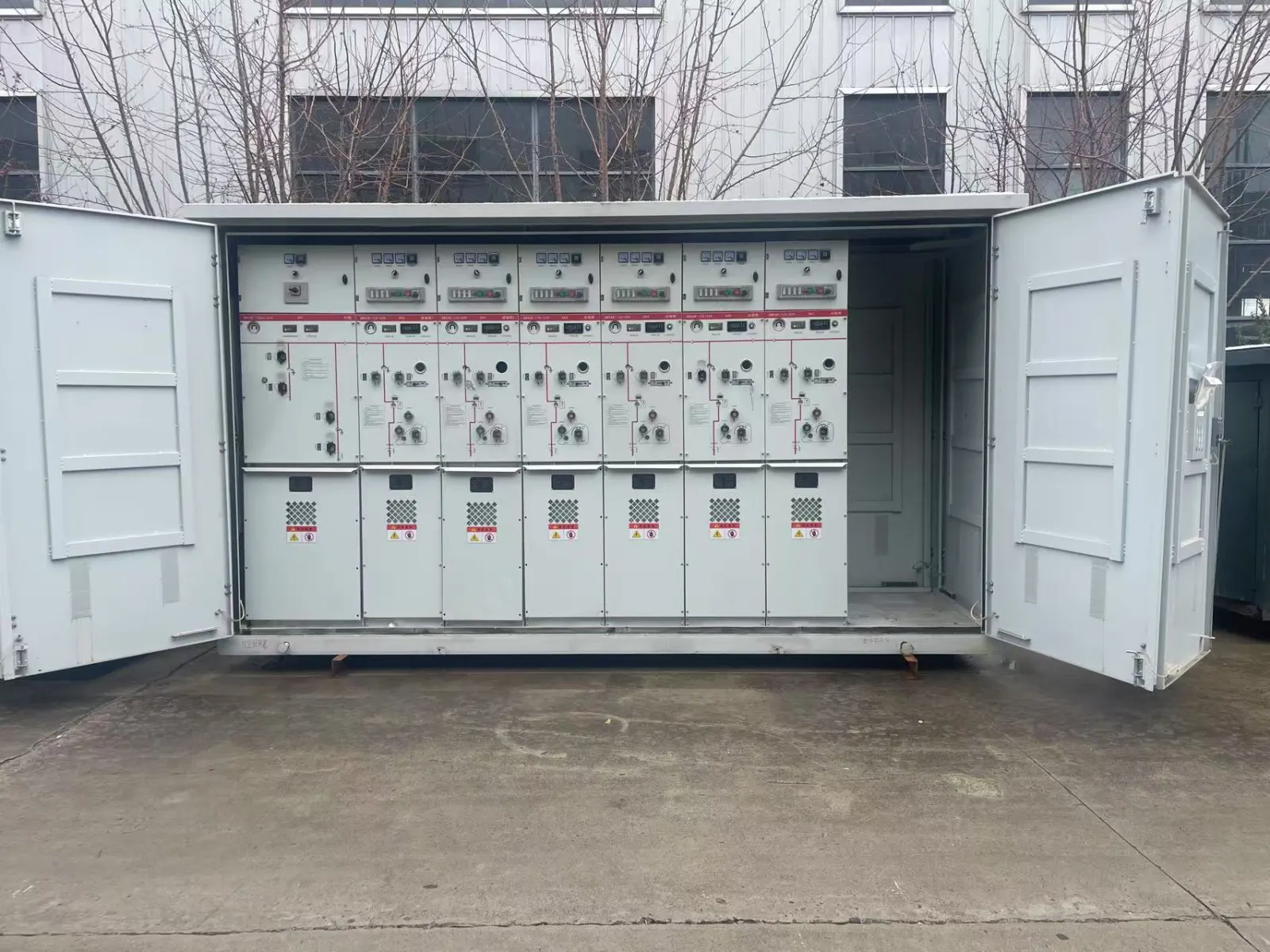
For prefabricated substations, the tested object may include an enclosure containing high-voltage switchgear, transformer equipment, low-voltage components and their connections. The combination matters because insulation clearances, current-carrying paths, ventilation and accessible surfaces can change when components are installed together.
The evidence should identify the tested sample or design, the governing standard edition, relevant ratings and the specific tests performed. An offer may use several sizes or alternative components under a common product-family name. That name alone does not show that every arrangement is within the report’s documented applicability.
Which Substations Fall Within IEC 62271-202?
IEC 62271-202:2022 covers enclosed high-voltage AC prefabricated substations that are cable-connected to networks operating at voltages up to and including 52 kV and frequencies up to and including 60 Hz, within the standard’s stated conditions. It describes service conditions, rated characteristics, general structural requirements and test methods for prefabricated substations, including walk-in and non-walk-in arrangements.
The document is not a universal test label for every transportable electrical room, standalone transformer package or low-voltage distribution container. Start with the actual product construction and the project’s adopted standard before describing a compact unit as an IEC 62271-202 prefabricated substation.
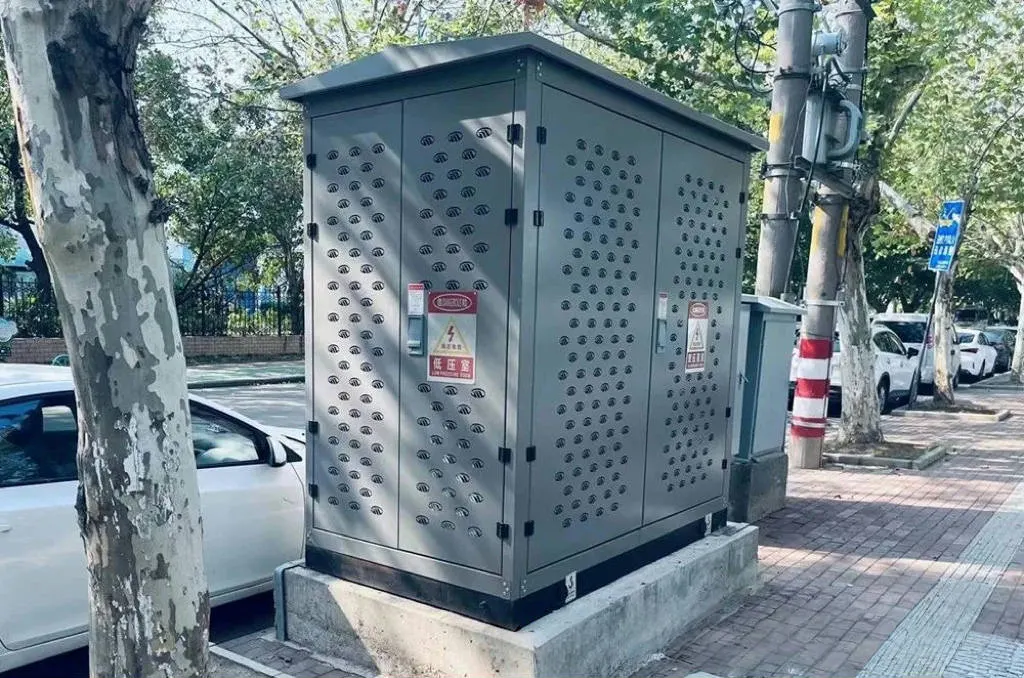
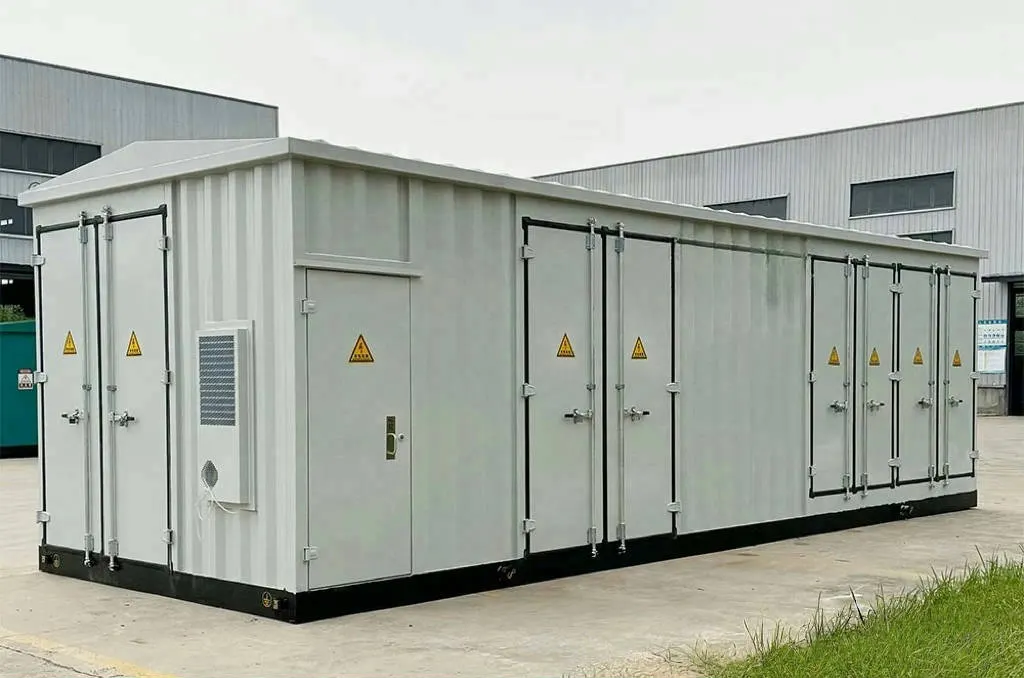
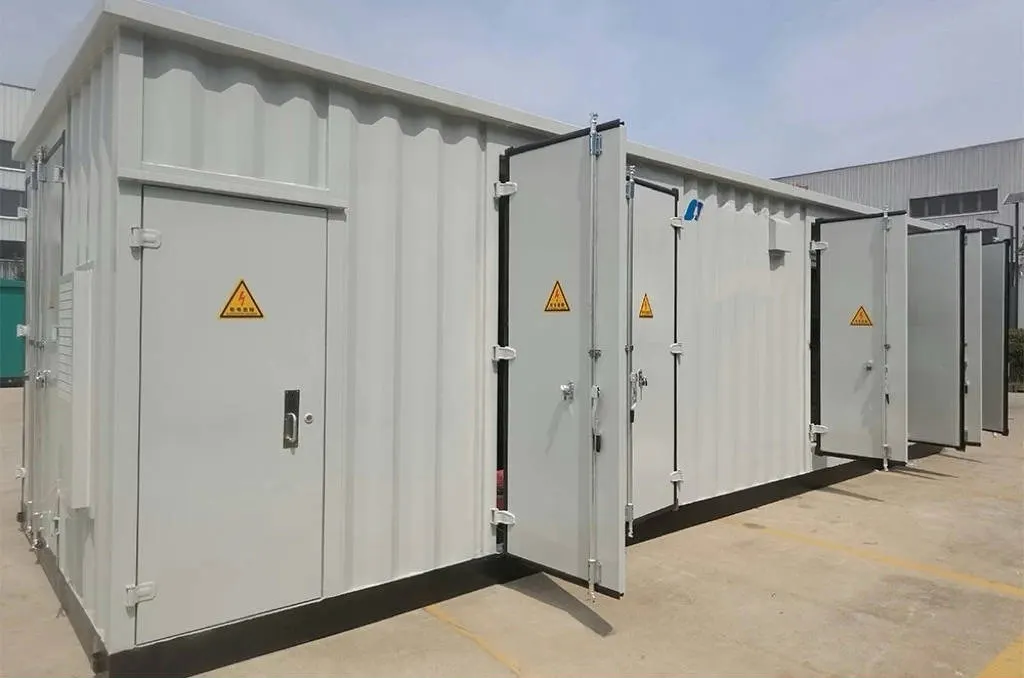
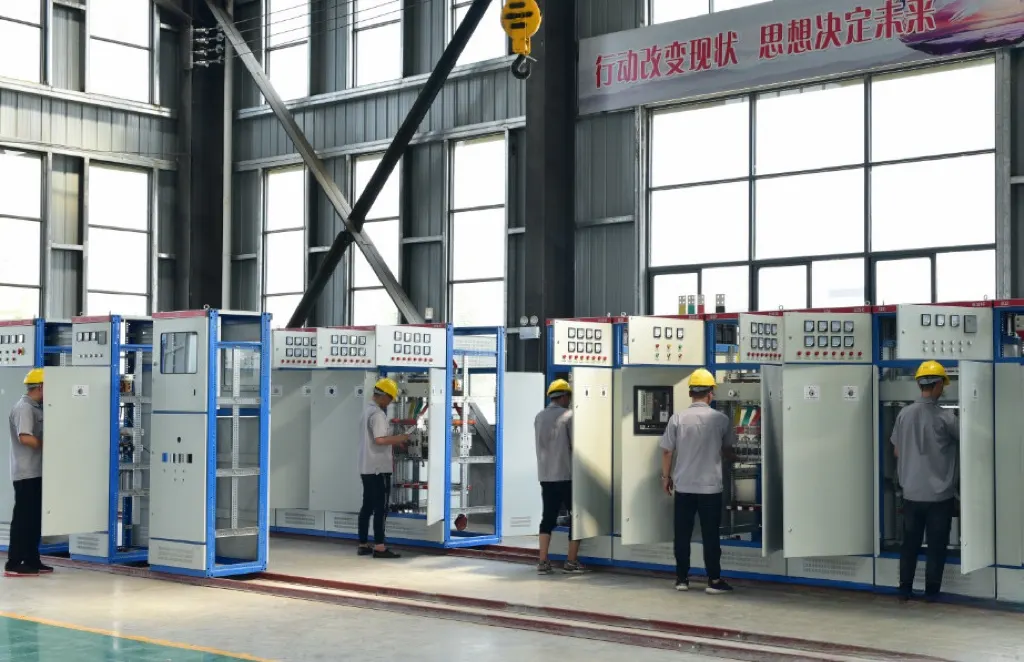
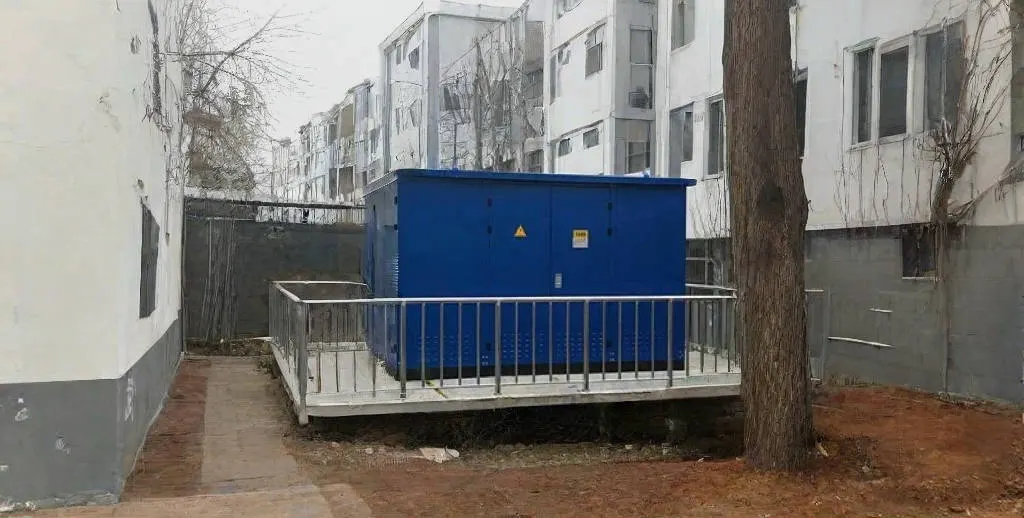
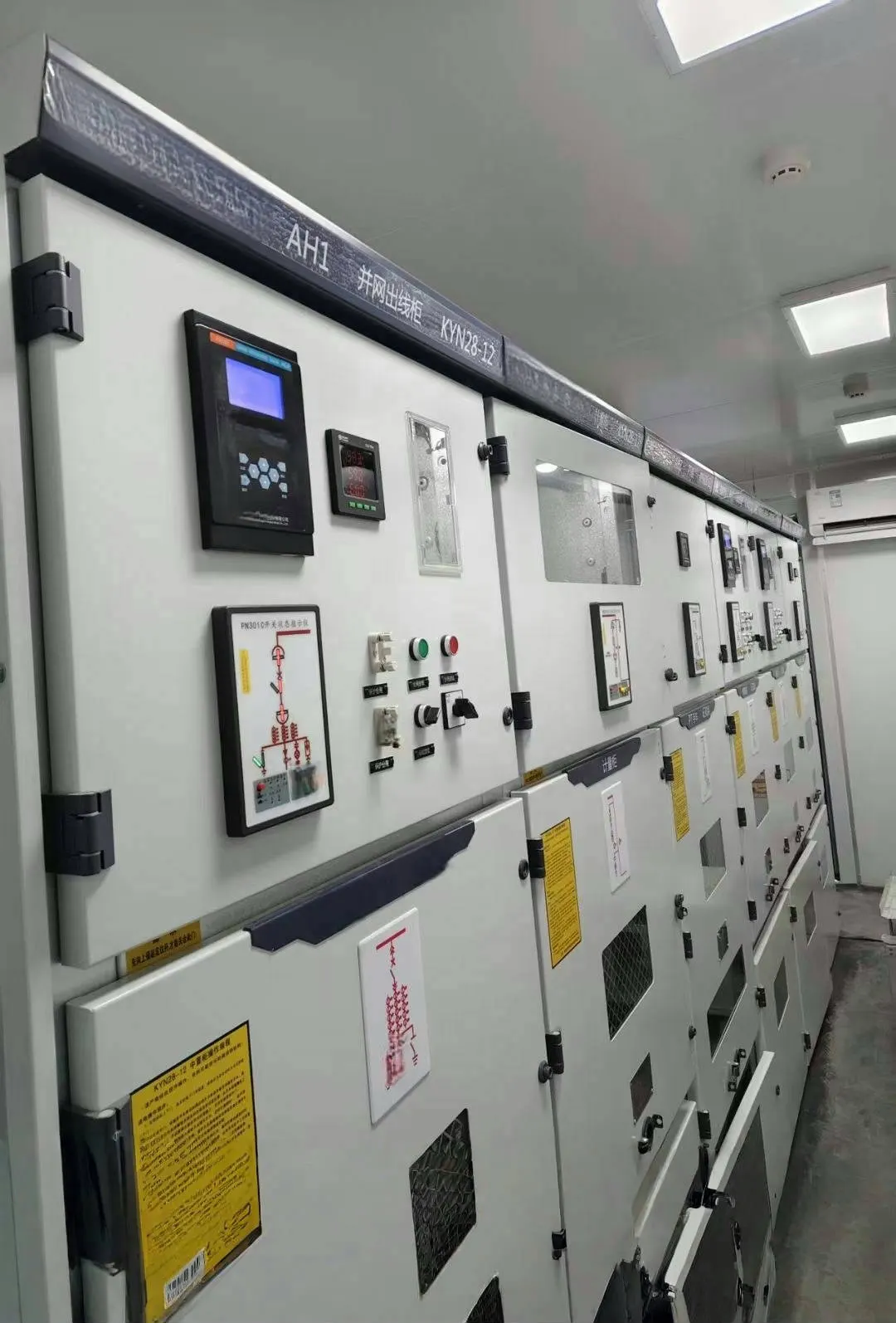
JSGK lists box-type substation equipment comprising a transformer, high-voltage cabinet, low-voltage cabinet, enclosure and auxiliary systems. It separately lists prefabricated electrical cabins for electrical-room arrangements. These are different commercial product categories on the site, and each proposed configuration still needs its own standards assessment. A product-category description does not establish successful type testing.
| Equipment offered | First question | Evidence needed |
|---|---|---|
| Integrated box-type MV/LV substation | Does its actual construction fall within the chosen prefabricated-substation standard? | Approved system drawing, ratings and applicable standard. |
| Electrical cabin containing separately specified equipment | Which equipment and enclosure requirements govern the complete project scope? | Cabin arrangement, component standards, project specification and system boundaries. |
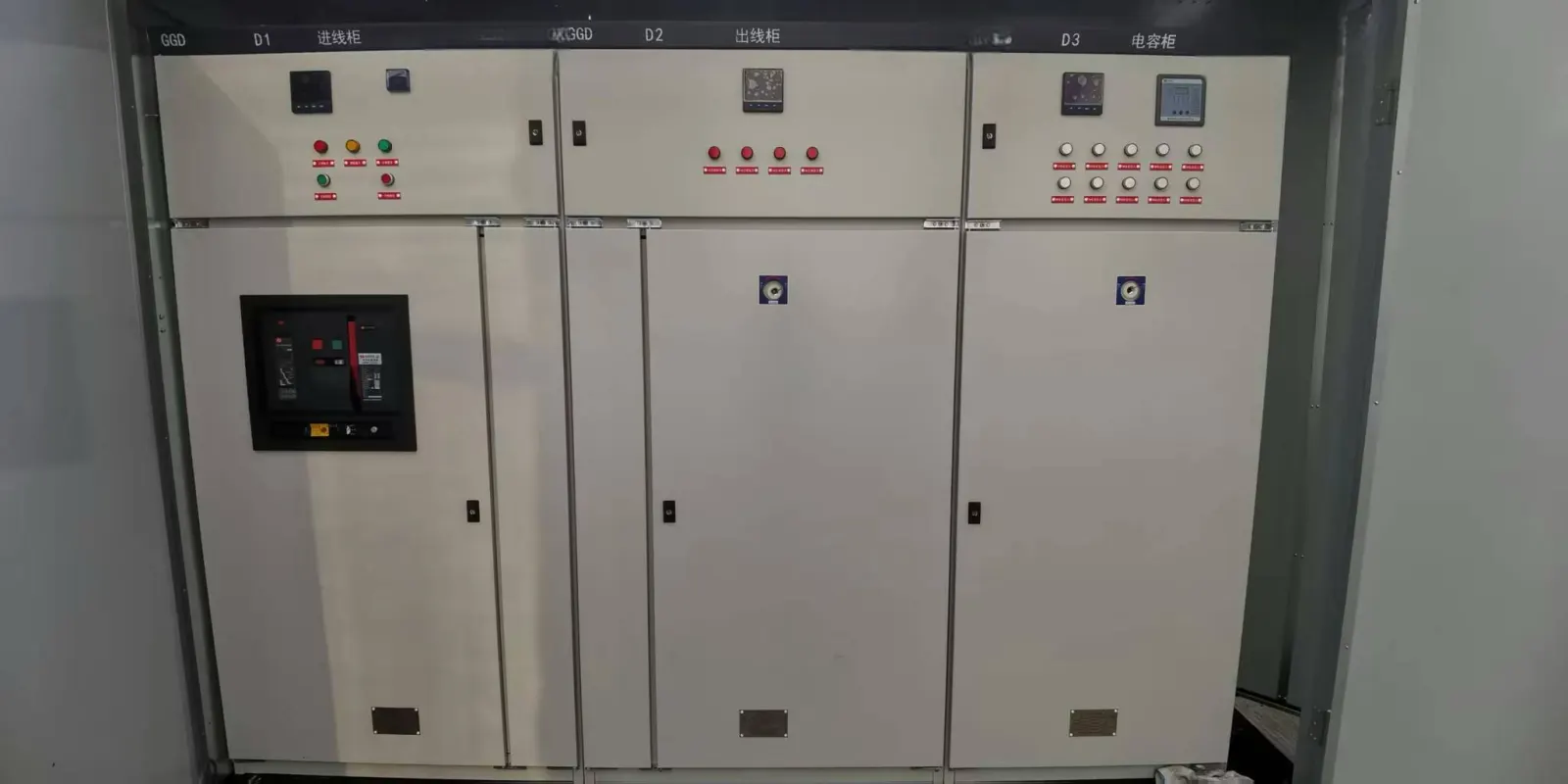
| Individual transformer, HV or LV assembly | Which component standard and tests apply? | Component-specific technical reports and certificates as appropriate. |
What Performance Is Examined During Type Testing?
A useful test report is specific about the characteristic assessed. The exact required tests and their applicability come from the adopted standard and equipment design; not every optional classification or test condition should be treated as automatically required for every compact substation.
Insulation and dielectric behavior
Dielectric considerations concern whether the relevant insulated parts and connections can withstand the specified electrical stresses under the applicable conditions. High-voltage cabinet certification by itself does not necessarily address the installation geometry and connections within a substation enclosure. IEC 62271-202:2022 also identifies possible effects of surrounding elements on some high-voltage insulation arrangements. Buyers should check the tested connection layout and its correspondence to the ordered system.
Continuous current and temperature rise
Temperature rise is a system issue. Transformer losses, main-circuit current, heat produced by other installed equipment, airflow, ventilation openings and enclosure geometry can interact. A transformer tested independently in a different environment is not proof that its installation in a compact enclosure has been assessed for the same thermal condition.
The 2022 edition revised or clarified continuous-current test methods and introduced a three-parameter approach to prefabricated-substation rated power. It also includes informative material on evaluating solar-radiation effects and electronic equipment installation conditions. These topics make configuration-specific thermal evidence especially important, but do not provide a basis for guessing JSGK product operating temperatures.
Short-time withstand, construction and internal arcs
Where applicable, electrical withstand evidence addresses the capability of designated circuits and connections under specified fault-current conditions. Mechanical construction, enclosure integrity, accessibility and equipment arrangements also need attention within the relevant test program.
An internal-arc test , if required for the offered configuration, is not proven by a statement that the enclosure is steel or includes vents. Its result has a stated test arrangement and limits. Check what equipment was inside the tested substation, which sides were treated as accessible and what conditions and performance designation are covered. Do not transplant an internal-arc classification from a separate switchgear cabinet to the complete substation without supporting evidence.
| Evidence area | What the buyer should understand | Typical limitation to check |
|---|---|---|
| Dielectric / insulation | Specified insulation performance of the relevant tested arrangement. | Connection geometry, insulating medium and installation environment. |
| Continuous current / temperature rise | Thermal behavior under the stated loading and test conditions. | Transformer losses, ventilation design, enclosure and ambient assumptions. |
| Short-time withstand | Declared current withstand of identified circuits or connections. | Whether the tested main circuit matches the supplied one. |
| Internal arc, where applicable | Performance in the defined internal-arc test arrangement. | Accessibility, test location, rating and actual installed configuration. |
| Enclosure / construction | Selected mechanical and protection requirements of the tested assembly. | Doors, entries, openings, equipment mounting and project environment. |
Why Component Reports Do Not Automatically Prove the Whole Substation
Component reports are necessary evidence for many projects, but they answer narrower questions. A transformer may have a type-test report under its relevant standard; switchgear may have its own type-test documentation; a low-voltage assembly may have separate verification. Combining the components introduces interfaces that were not necessarily part of the individual tests.
Those interfaces can include electrical connections between compartments, heat transfer to neighboring equipment, enclosure ventilation and the route by which pressure or hot gases would be handled in a defined internal-fault scenario. The system-level performance cannot always be inferred by adding together component nameplate ratings.
Use a two-level evidence map: first verify that each installed component meets its applicable requirements, then assess which characteristics of the integrated substation require assembly-level evidence. If a supplier says that a family report covers several ratings or layouts, ask for the documented technical basis for that coverage. Neither identical component brands nor a common cabinet colour constitutes a technical equivalence assessment.
JSGK’s public box-type substation description identifies the principal integrated equipment groups. The public page does not provide a full test-report reference and sample configuration for every proposed combination, so buyers should verify the documentary scope for the specific quotation.
What Should a Type-Test Report Actually Identify?
Before relying on a report, read past the cover page. A document can be authentic yet apply to a different design or a narrower rating than the intended order. Check what was tested, how and under which edition of the standard.
- Issuing details: laboratory or issuing body, report identifier, report date and any attached schedules or appendices.
- Standard reference: exact IEC or other standard edition used, and any noted deviations or exceptions.
- Equipment identification: tested model, arrangement, drawings, enclosure form and manufacturer or applicant identified in the report.
- Ratings and configuration: voltage, current, power-related declarations and equipment or connection details relevant to the test.
- Test method and observations: actual test performed, settings, relevant environmental conditions, recorded results and applicable acceptance criteria.
- Scope of validity: variations or limitations stated in the report, including whether documents for family variants are supplied.
The report should be compared against the technical offer, not merely filed as a sales attachment. A summary page alone may omit the configuration detail required to determine applicability.
| Report field | Cross-check against the purchase order | Action if it differs |
|---|---|---|
| Standard edition | Required edition in the project specification. | Determine whether the difference needs an agreed technical assessment. |
| Enclosure and ventilation | Actual enclosure drawing, openings and cooling arrangement. | Evaluate potential thermal, access or arc-performance effects. |
| Transformer and connected equipment | Type, rating, losses and installed location where relevant. | Request confirmation that test evidence remains applicable. |
| Rated electrical conditions | Voltage, continuous current, fault duty and other specified values. | Resolve missing or lower-rated evidence before approval. |
| Internal-arc statement | Required classification and accessible sides, if specified. | Ask for test details rather than relying on a marketing claim. |
When Does a Design Change Require Additional Evidence?
Changes should be judged by whether they affect the characteristic already verified. A different panel paint colour is not the same technical change as a different ventilation path or transformer loss level. Yet minor-looking changes can be significant if they alter clearances, interfaces or the arrangement tested for a particular characteristic.
Changes worth reviewing include replacing the high-voltage switching device, changing main-circuit connections, modifying the enclosure’s dimensions, moving ventilation openings, changing the transformer’s rating or loss characteristics, altering cable entries, and adding electronics with their own environmental requirements.
Do not apply the blanket rule that every new configuration requires a complete repeat of every test. The relevant standard and qualified engineering assessment should determine whether existing evidence, an additional test, a documented extension or a new test is appropriate. Equally, do not accept “same series” as the only reason an older report remains valid.
A useful engineering record has three columns: tested configuration , offered configuration and technical basis for applying the evidence . This turns a vague family-approval claim into a specific review that project teams can audit.
Type Tests, Routine Tests, FAT and Site Acceptance Are Different
Project teams often receive several documents labelled “test” or “inspection.” They occur at different stages and establish different things.
| Stage | Main purpose | What it does not replace |
|---|---|---|
| Type test | Verify specified characteristics of a representative design or test assembly. | Inspection of each delivered production unit. |
| Routine test | Perform the prescribed checks on the manufactured unit under the governing standard. | All design-level type-test evidence. |
| Factory acceptance test (FAT) | Witness or confirm contractual factory checks on the equipment to be supplied. | Type tests or routine tests unless the agreed program actually includes them. |
| Site acceptance / commissioning | Check installation interfaces, connections, settings and site-readiness against the agreed scope. | Factory design verification and the site’s electrical safety requirements. |
A FAT may include witnessing routine tests plus other contractual checks; it is not inherently identical to the routine-test program. Likewise, site commissioning verifies the installed configuration and interfaces, but cannot on its own demonstrate every design-level characteristic verified by type testing.
The contract should distinguish which records must be supplied at bid review, before factory release and before energization. Detailed site testing and switching should be performed only under approved procedures by qualified personnel.
Documents to Request Before Approving a Compact Substation
A compact substation procurement file should connect the electrical scheme to the physical construction and its relevant verification evidence. Before final approval, request a coherent package that identifies the adopted standard edition, rated conditions, installed components, main enclosure, ventilation, drawings and the documents covering the claimed performance.
For a JSGK box-type substation project, the public product range can serve as the starting point for equipment selection. The project team still needs the documents for its own electrical ratings and layout rather than a generic statement that all box substations meet IEC 62271-202.
Send the project standard, single-line diagram, target equipment ratings, site conditions and proposed layout when requesting information. If the project calls for a specific type-test report or internal-arc declaration, ask how that evidence maps to the offered configuration. You can contact JSGK with the project drawings and document requirements for a configuration-specific discussion.
The decisive question is whether the test evidence covers the equipment being purchased. A meaningful compact substation type-test review checks the tested design, its conditions and the documented differences from the order—not merely the presence of an IEC number on a brochure.