Buy Switchgear and Substations Factory‑Direct: How the JSGK Model Actually Works
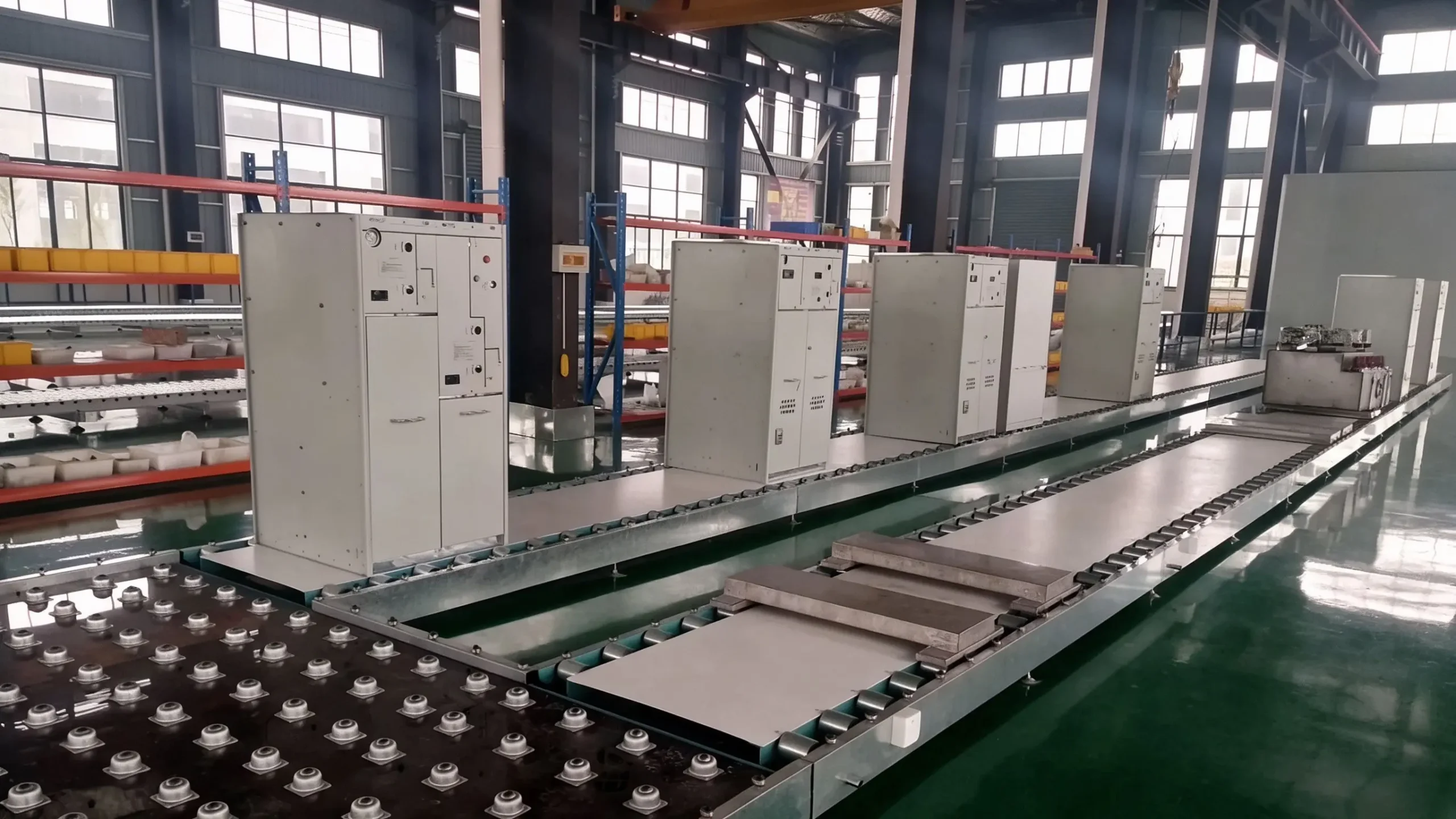
When a procurement team sends an inquiry for switchgear, a box‑type substation or a prefabricated electrical cabin, two things usually happen in parallel. The buyer asks for a price and a delivery date. The supplier quietly works out how many layers sit between the drawing and the steel. At JSGK, we try to keep that stack to one layer. Ours.
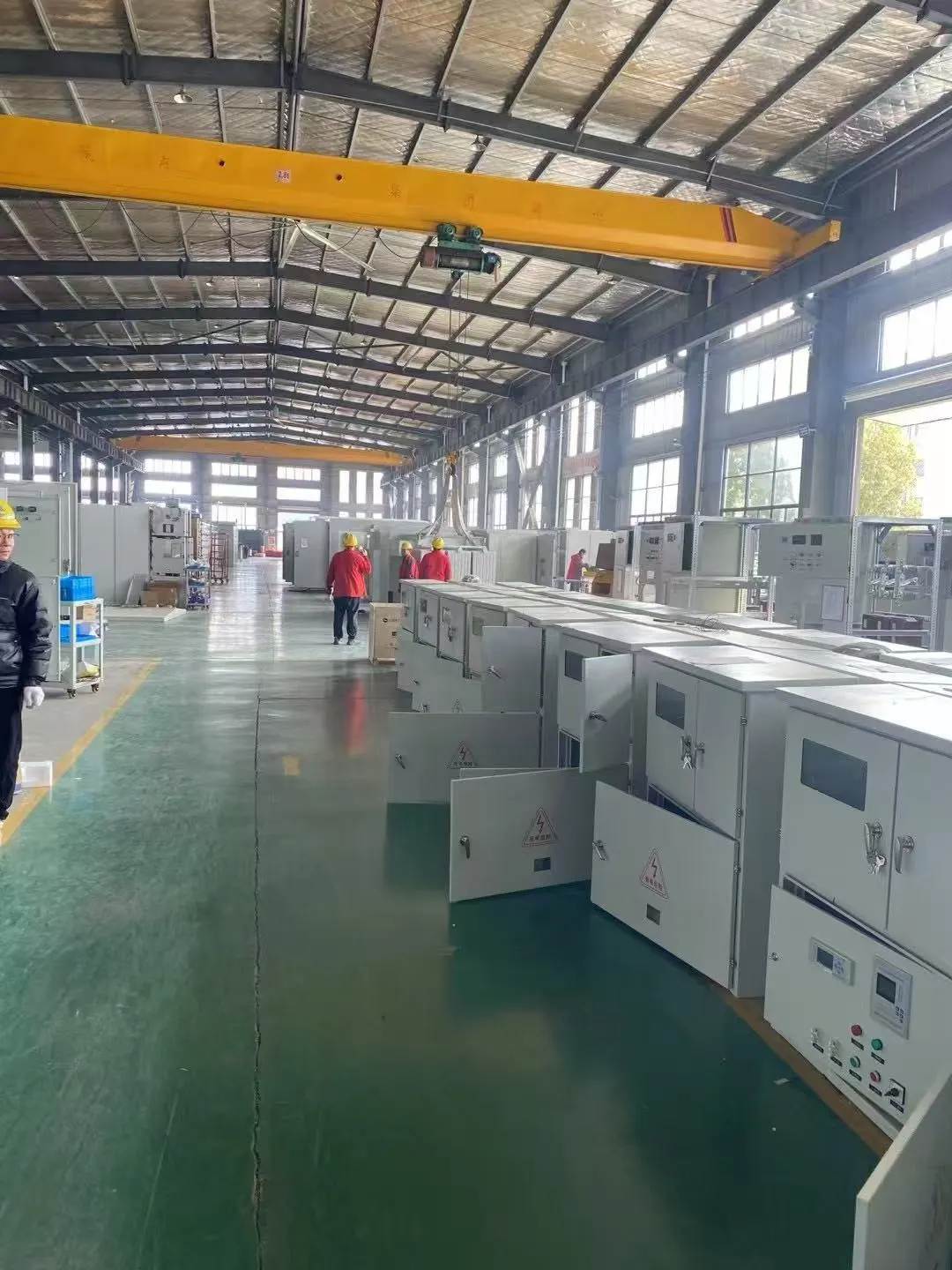
We are a manufacturer of power distribution equipment for export project buyers. Our company profile lists 2017 as the establishment year. Since then we have built a network of seven production bases spread across Tianjin, Hebei and Xinjiang, with roughly 60,000 m² of in‑house production and storage footprint under the same control. The stated annual box‑configure capacity is above 300,000 units. We now ship to more than 40 destination countries on FOB, CIF and DAP terms.
None of that matters if you cannot see the line. This article walks through what the factory‑direct model means for us, the seven product systems we build, and why dropping the trader layer changes both the quote and the lead time.
What “no trader layer” changes in practice
Most export quotes begin with a trading company that aggregates cabinet photos from several workshops, marks them up, and promises to “manage” production you cannot visit. The margin is invisible, and so is the manufacturing risk.
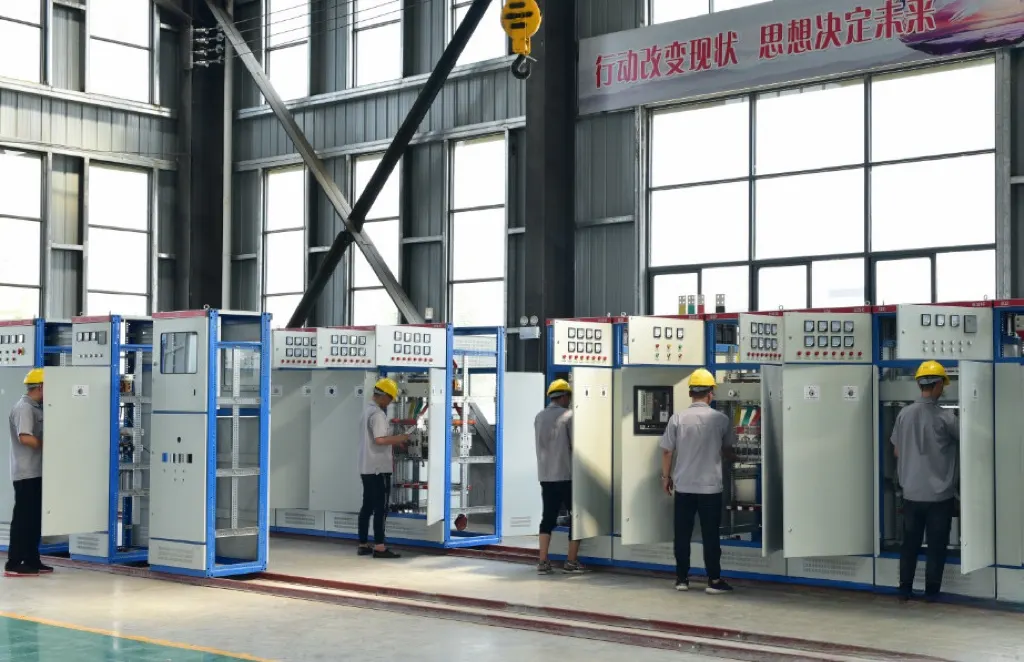
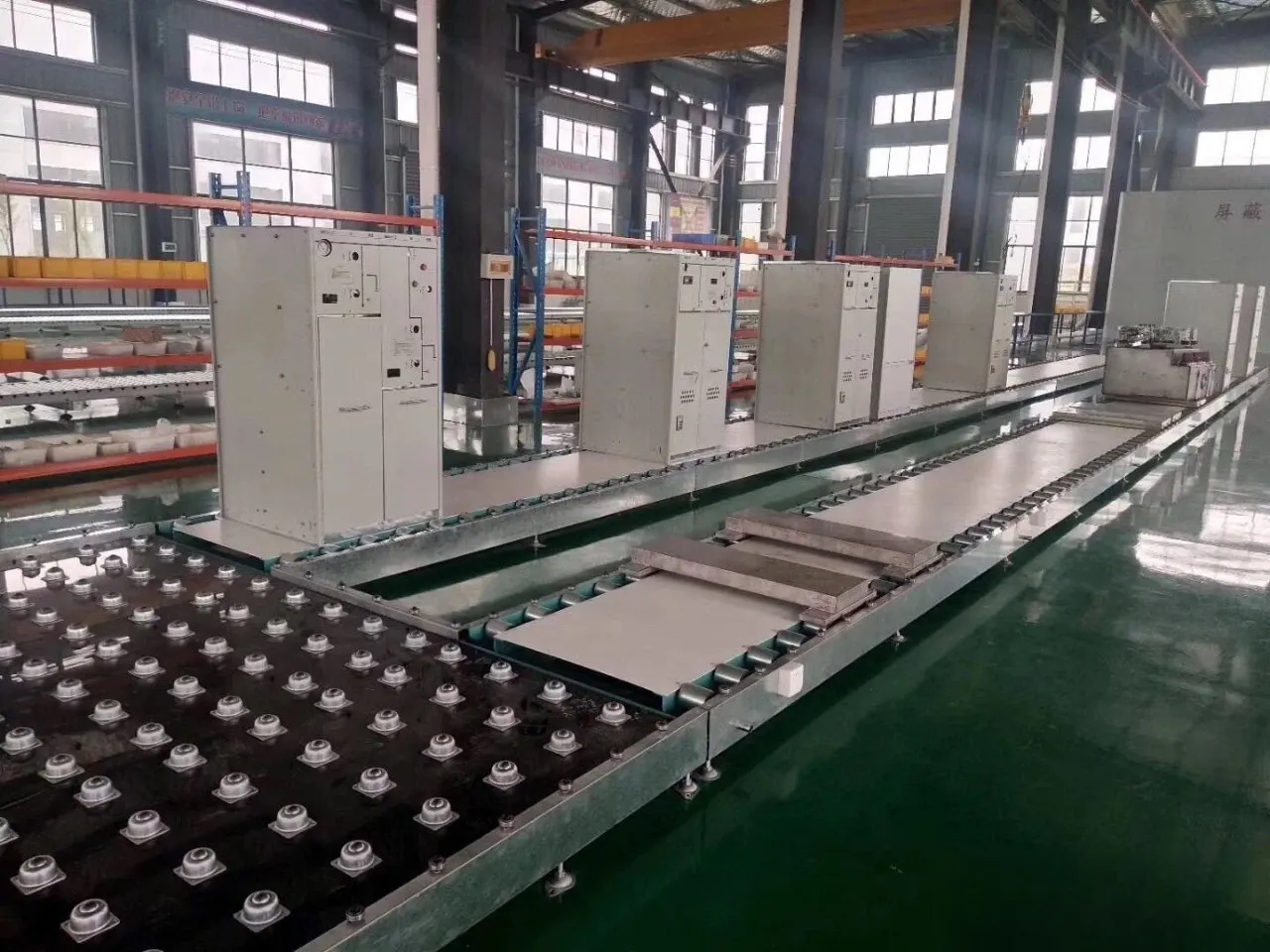
When you order factory‑direct, your order is placed with the people who cut the steel and run the secondary wiring. There is no reseller margin baked into the unit price, and no hidden hand‑off between sales talk and the weld. On our own floor the sequence is material review, then frame and panel work, then assembly, then inspection, then packing. That sequence stays the same whether the order is one trial cabinet or forty containers.
You can check it. We offer a live video walk‑through where we point the camera wherever you ask, a factory visit you can schedule yourself, a third‑party inspector you send in, and a sample unit you judge before committing to volume. We also publish the failure cases we hit in testing and how we fixed them. A trader cannot do that, because a trader was never in the room when the problem happened.
The seven product systems, built on one line
We configure equipment, not single off‑the‑shelf boxes. The catalog splits into seven systems that usually meet on a single project.
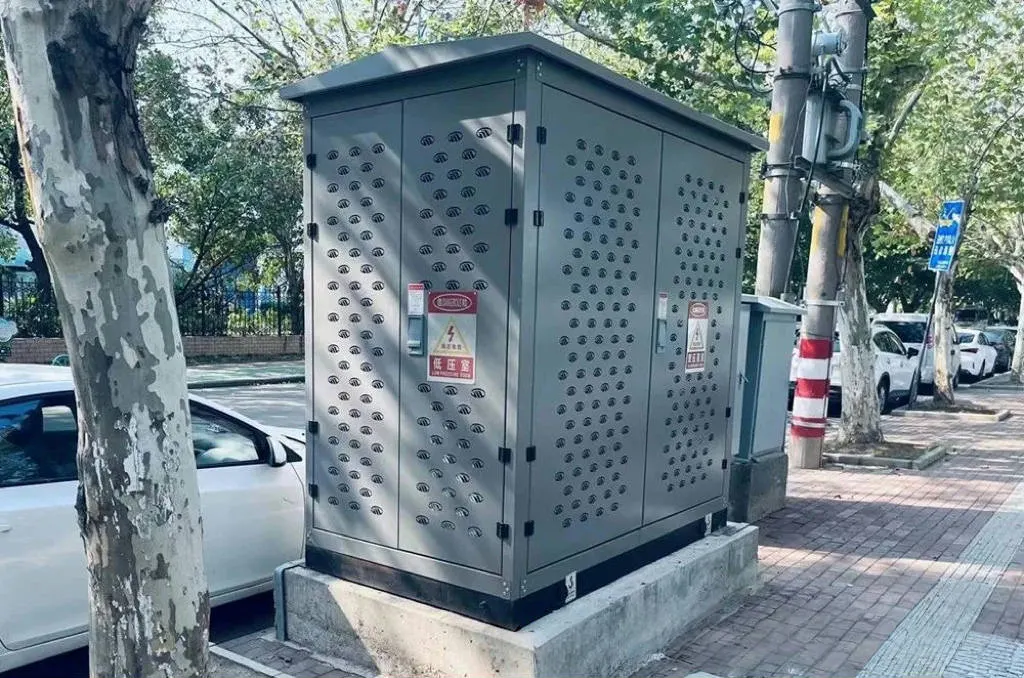
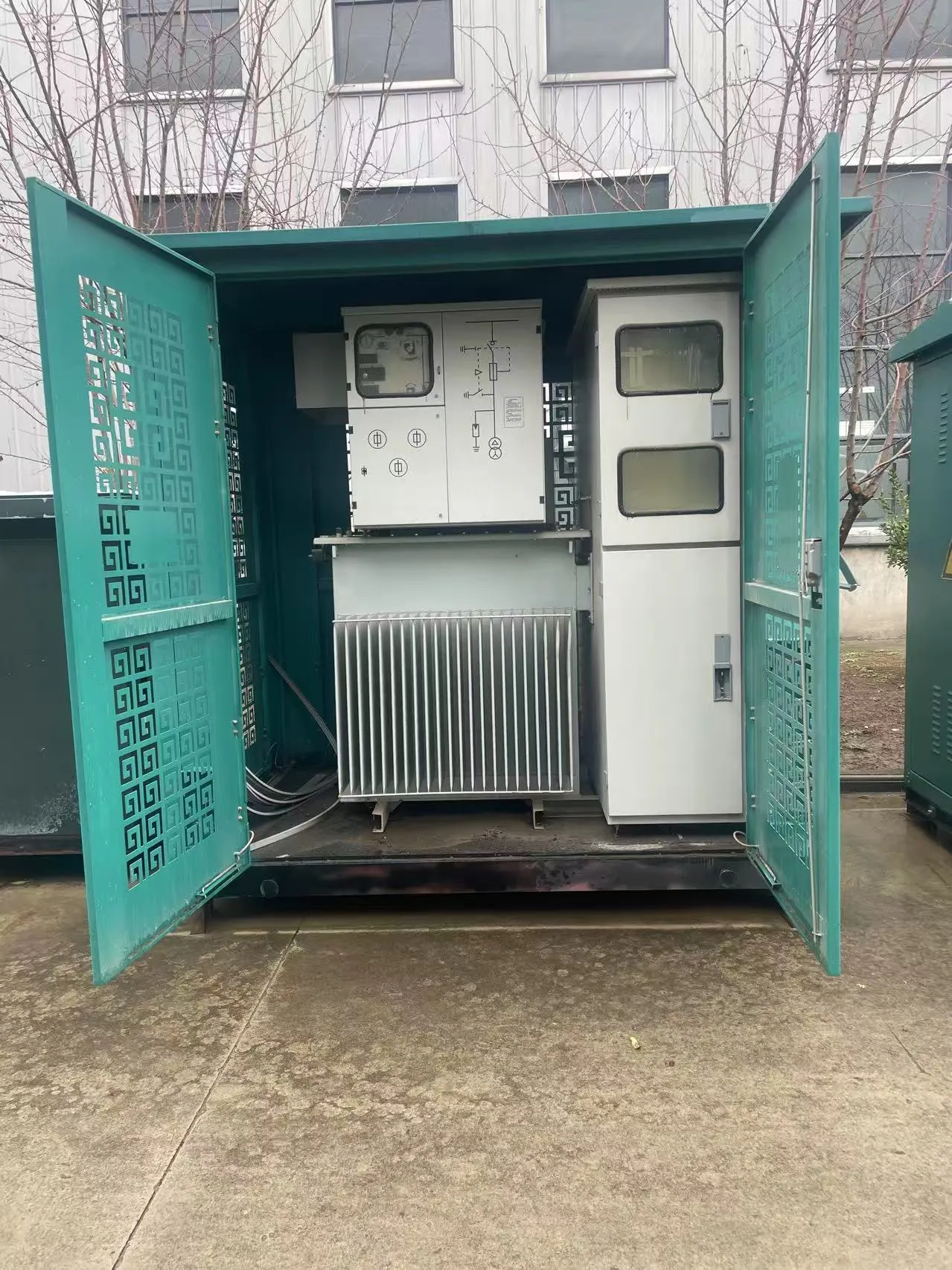
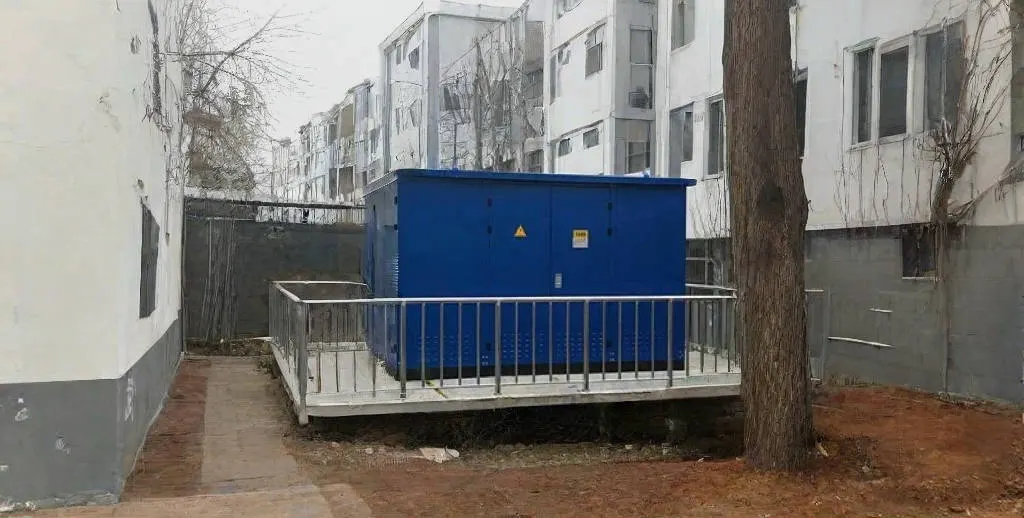
- Box‑type substation. An outdoor integrated substation system that brings the transformer, high‑voltage cabinet, low‑voltage cabinet, enclosure and auxiliary systems into one compact enclosure for a project distribution node.
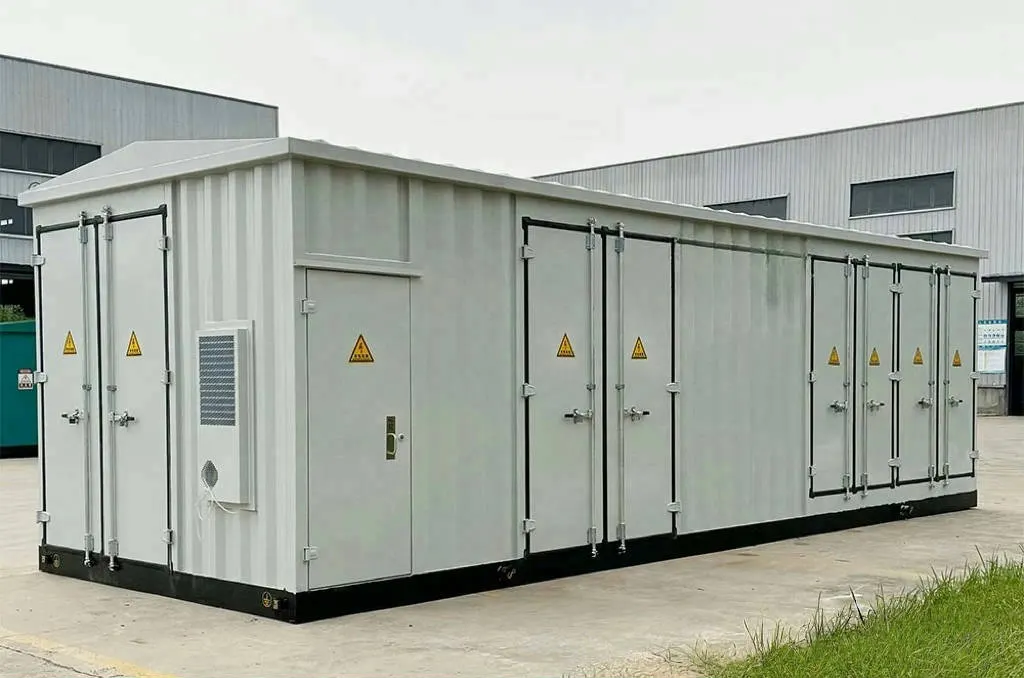
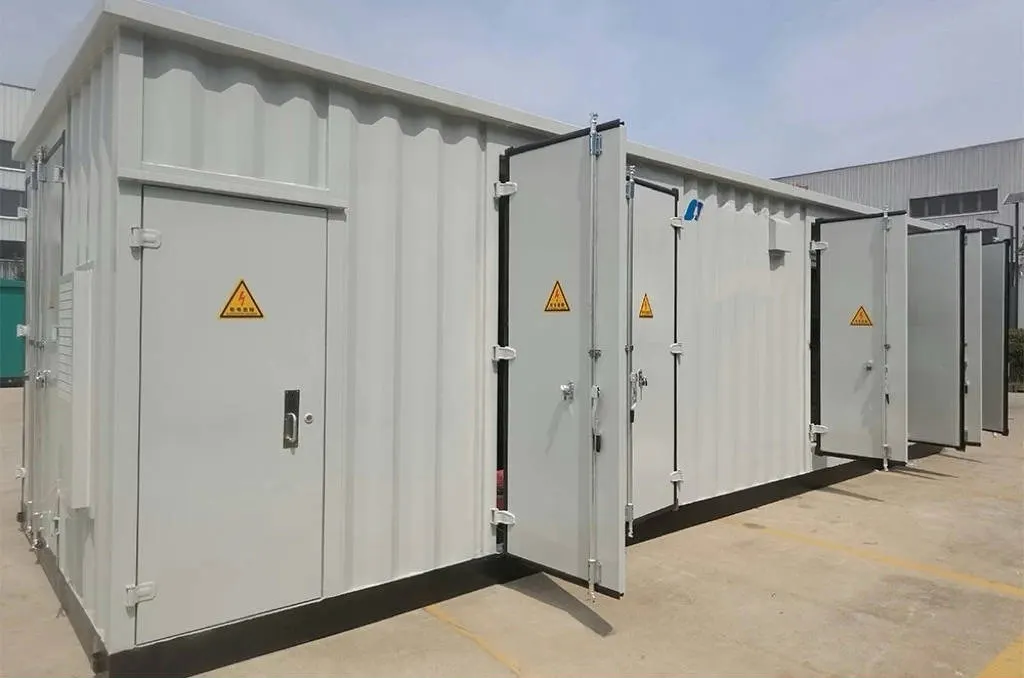
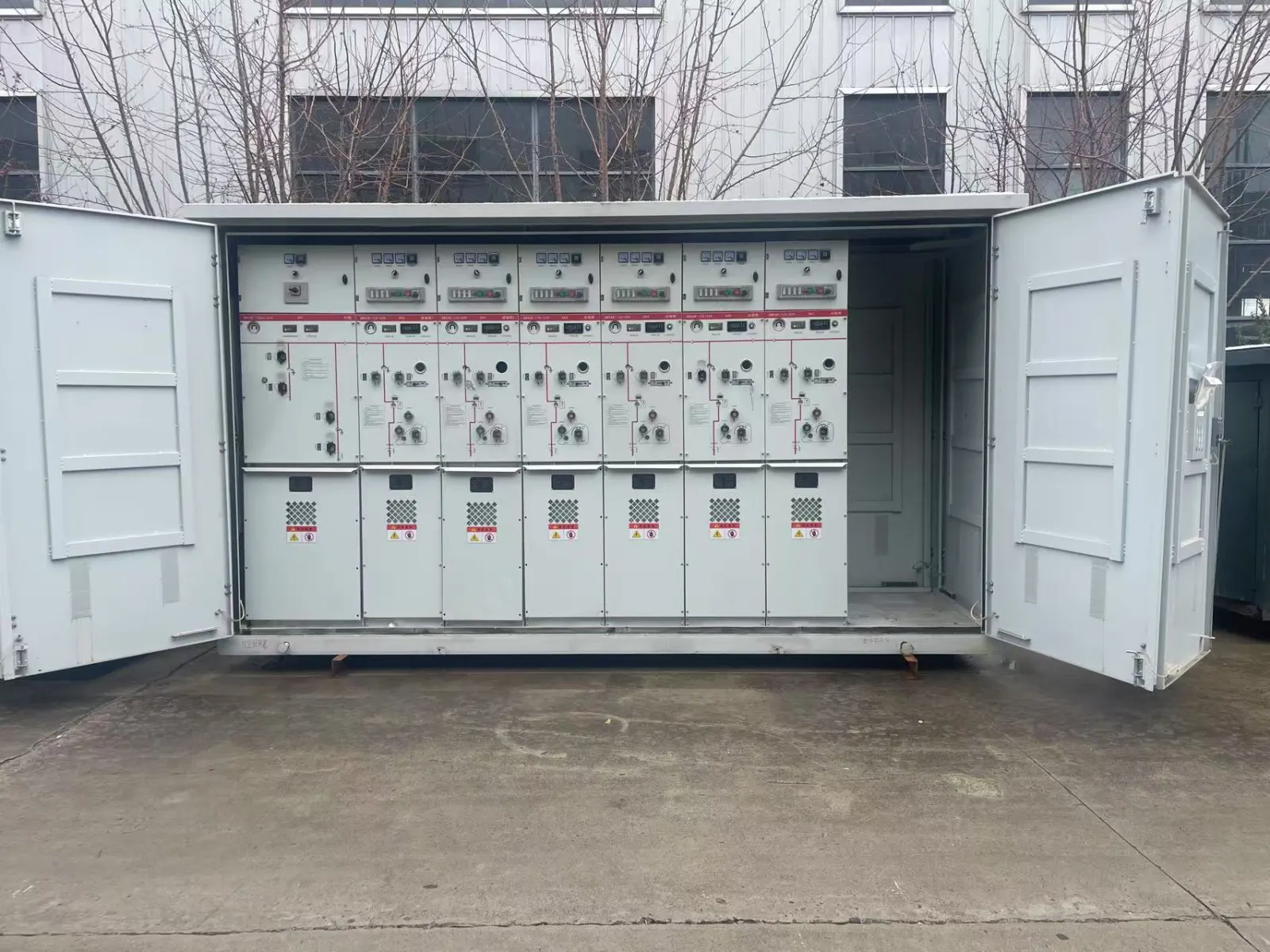
- Prefabricated electrical cabin. A factory‑built electrical room for switchgear, protection panels and auxiliary systems, delivered as a relocatable module instead of a brick room.
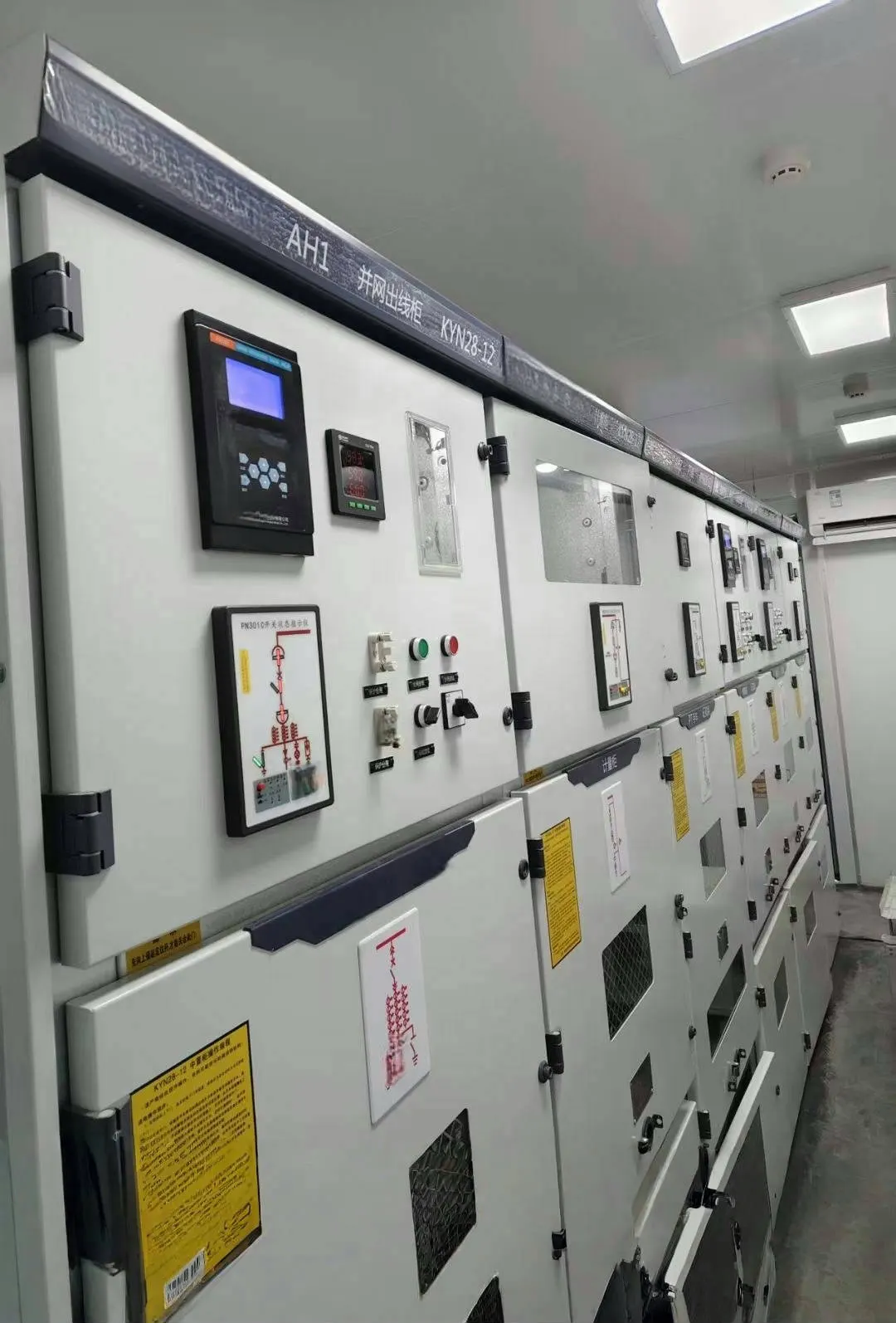
- High‑voltage switchgear. The medium‑voltage cabinet line‑up for incoming, outgoing, protection and metering schemes, in KYN, XGN and related metal‑enclosed families.
- Ring main unit. A compact distribution cabinet for cable outlet schemes and ring‑network nodes, available in gas‑insulated (GIS) arrangements.
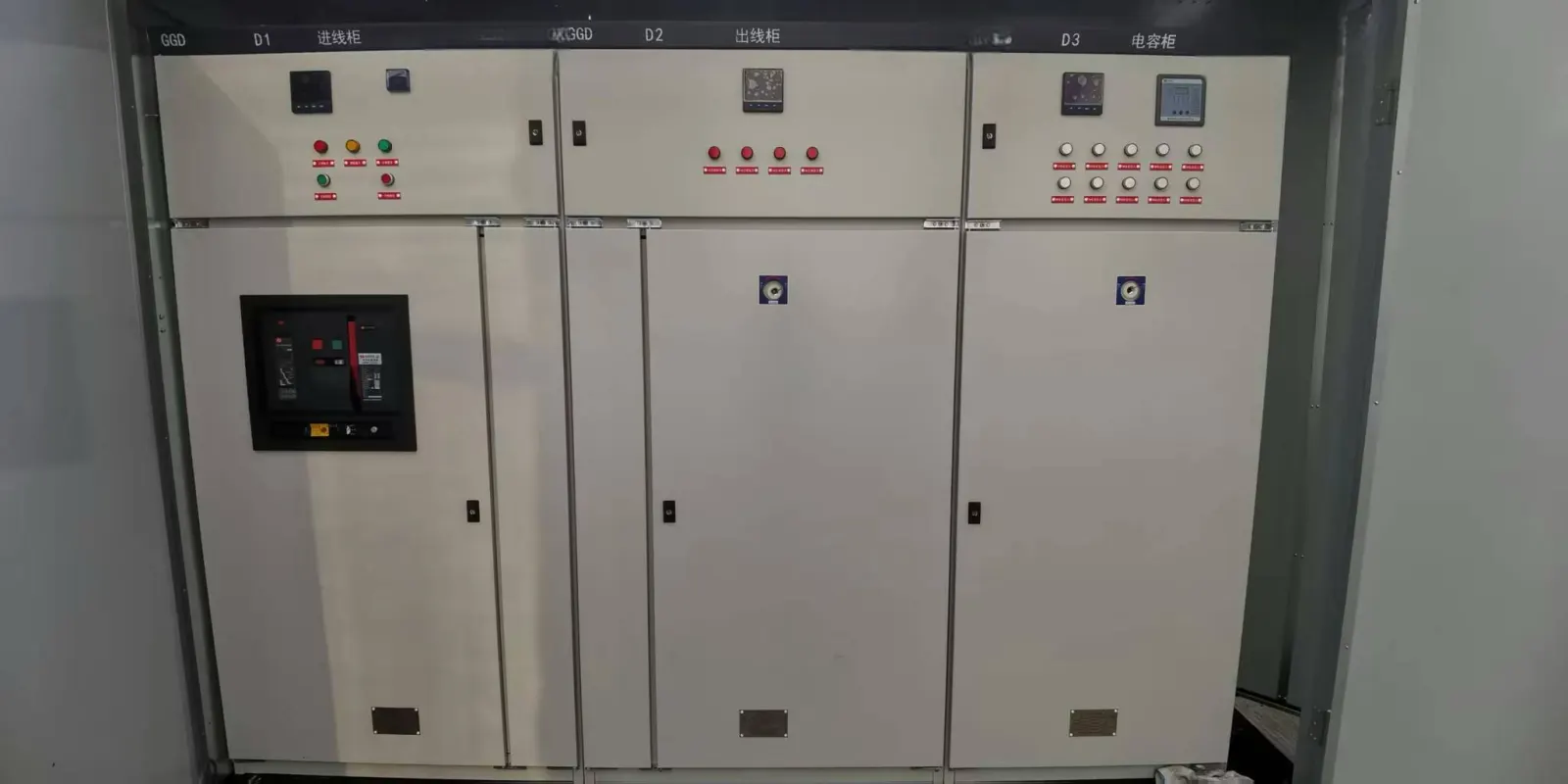
- Low‑voltage switchgear. The downstream cabinet system for distribution, control and metering after the transformer.
- Transformer overview. Supporting transformer selection notes so the cabinet and substation are matched to the load, rather than guessed.
- Distribution boxes and components. Distribution boxes, PV combiner boxes and components for the project‑side circuits.
You rarely buy just one of these. A solar site needs a box‑type substation plus PV combiner boxes and a prefabricated cabin. A municipal node needs ring main units and compact switchgear. Building the whole scope in‑house means the interfaces are decided by one engineering team, not by three suppliers arguing over who owns the cable entry.
How a unit actually gets made
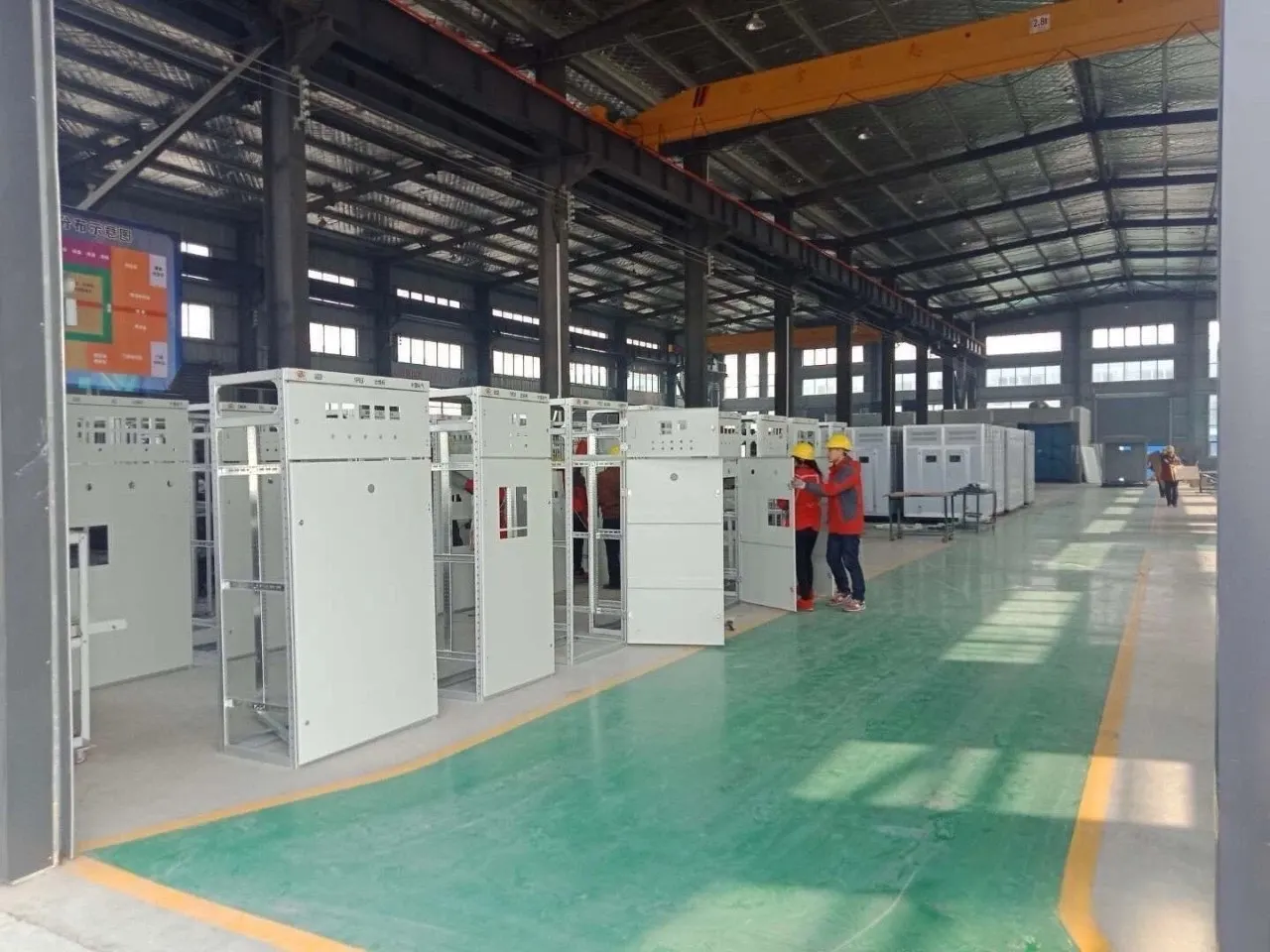
Walk the floor and the work is physical. Steel and panels are checked against the order configuration when they arrive. Then the frame and panel work happens on our own equipment: cutting, welding, bending, panel preparation and surface treatment, coordinated by model. Cabinet parts, wall panels and the protection relay room are matched during assembly control before the doors close.
Two inspection gates matter to an export buyer. The first is routine inspection, run as the unit takes shape. The second is outgoing inspection, a dimensional, coating and component check before loading. Units are then packed for export, with packing and volume planned against the confirmed delivery schedule. Factory‑side work can include assembly, secondary wiring, routine and outgoing inspection, packing and document preparation, scoped to what you confirm.
We organise the floor into four in‑house teams: structural, electrical auxiliary systems, façade and quality control. That matters on a multi‑system order. When a box‑type substation needs its steel skin, its switchgear and its auxiliaries to line up on the same skid, a single structural team and a single electrical team own the whole interface. You do not spend a week chasing a fabricator and a panel builder over a dimension only one of them measured.
OEM and ODM to your drawings
Send a single‑line diagram, a cabinet layout or a full project drawing. We configure the equipment, the components, the protection logic and the documents to the confirmed scope. Final configuration is locked from approved datasheets, single‑line diagrams, cabinet arrangement drawings and the project standards before production starts. That lock protects you: once the drawing is approved, the line builds to it, and changes after the fact cost money on both sides.
Who we have shipped this to
The reference jobs on our site sit in three places. A Gulf‑region new‑energy power distribution project took box‑type substations across six equipment batches. Coastal utility substations took a transformer system and turnkey internal layouts across eight batches. A municipal switchgear‑room upgrade was delivered as a prefabricated system in four batches for rapid commissioning. These are the conditions factory‑direct is built for: multi‑batch, export‑packed, documented to a destination market.
The first step
Tell us the product family, the electrical parameters, the quantity, the project location and the delivery schedule. We engineer the spec and quote it factory‑direct with a delivery plan so the freight is clear up front. You do not need a finished drawing on day one. A use, a site condition and a rough size are enough to start.